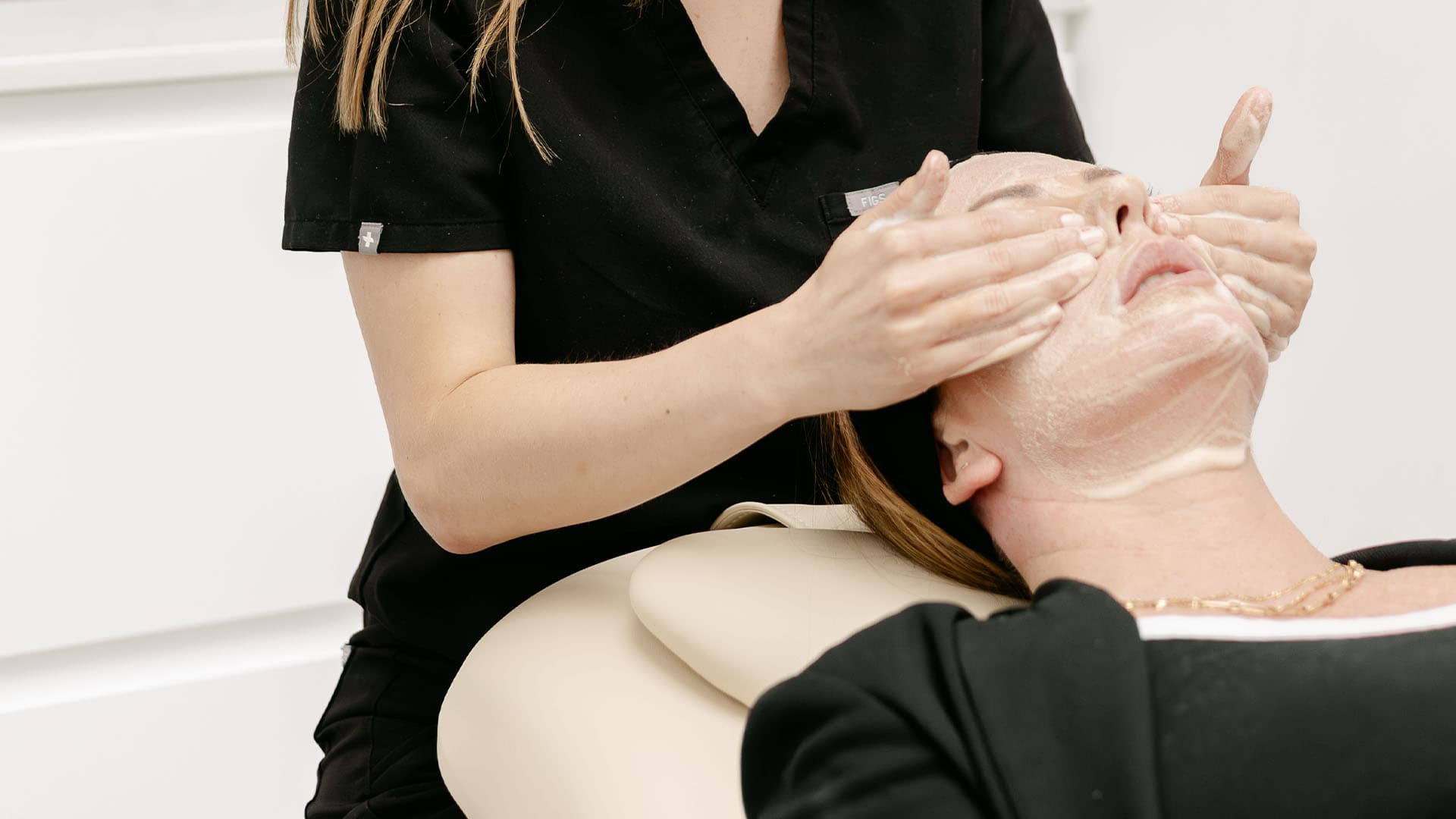
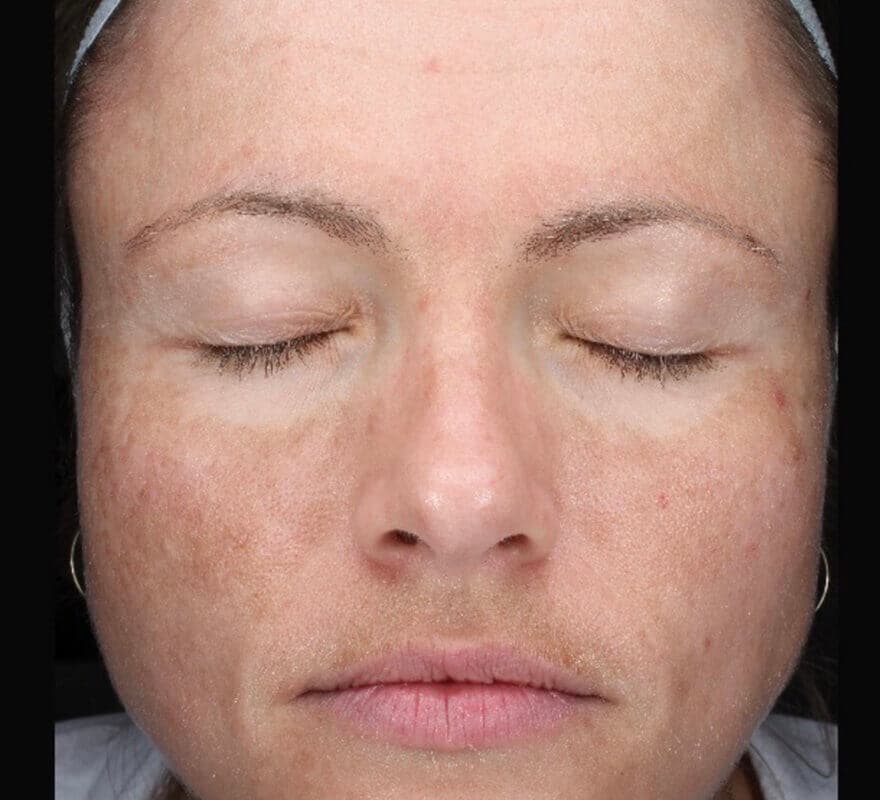
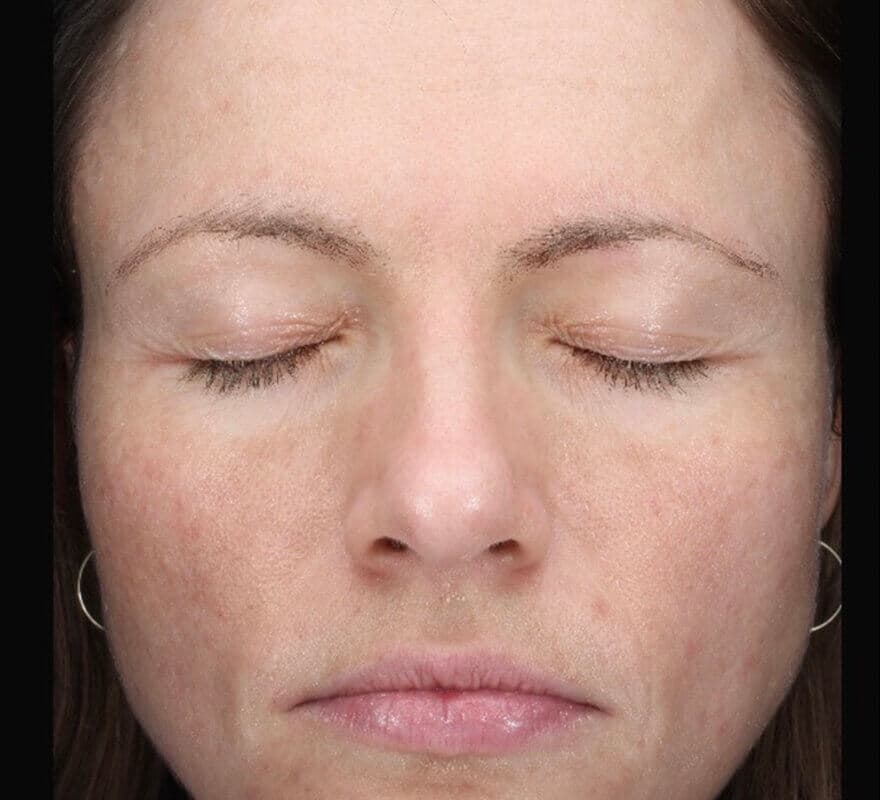
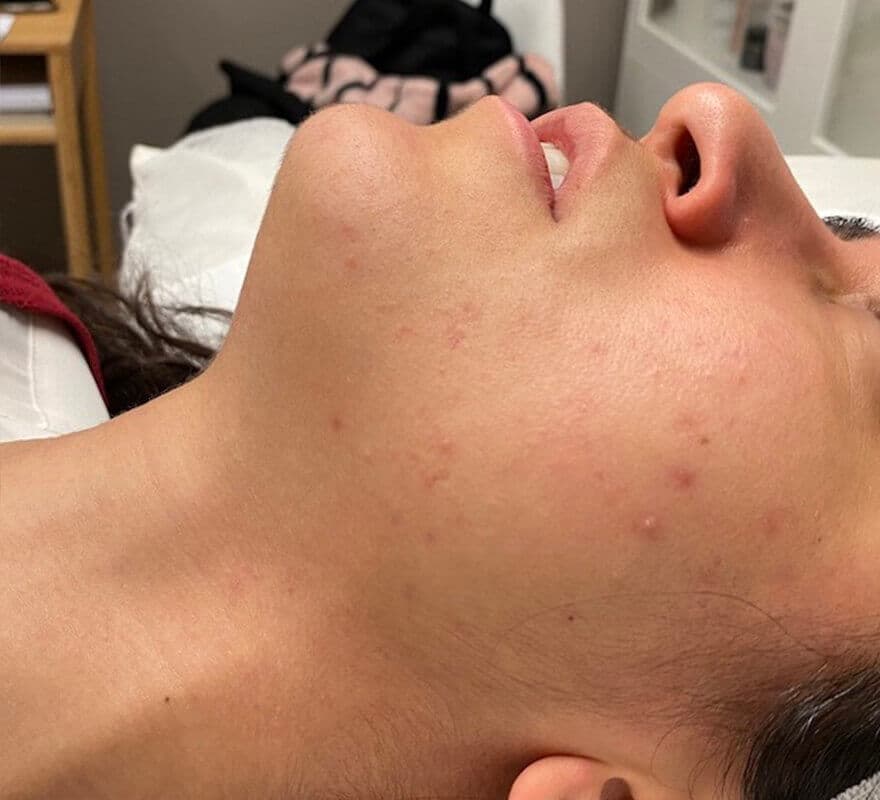
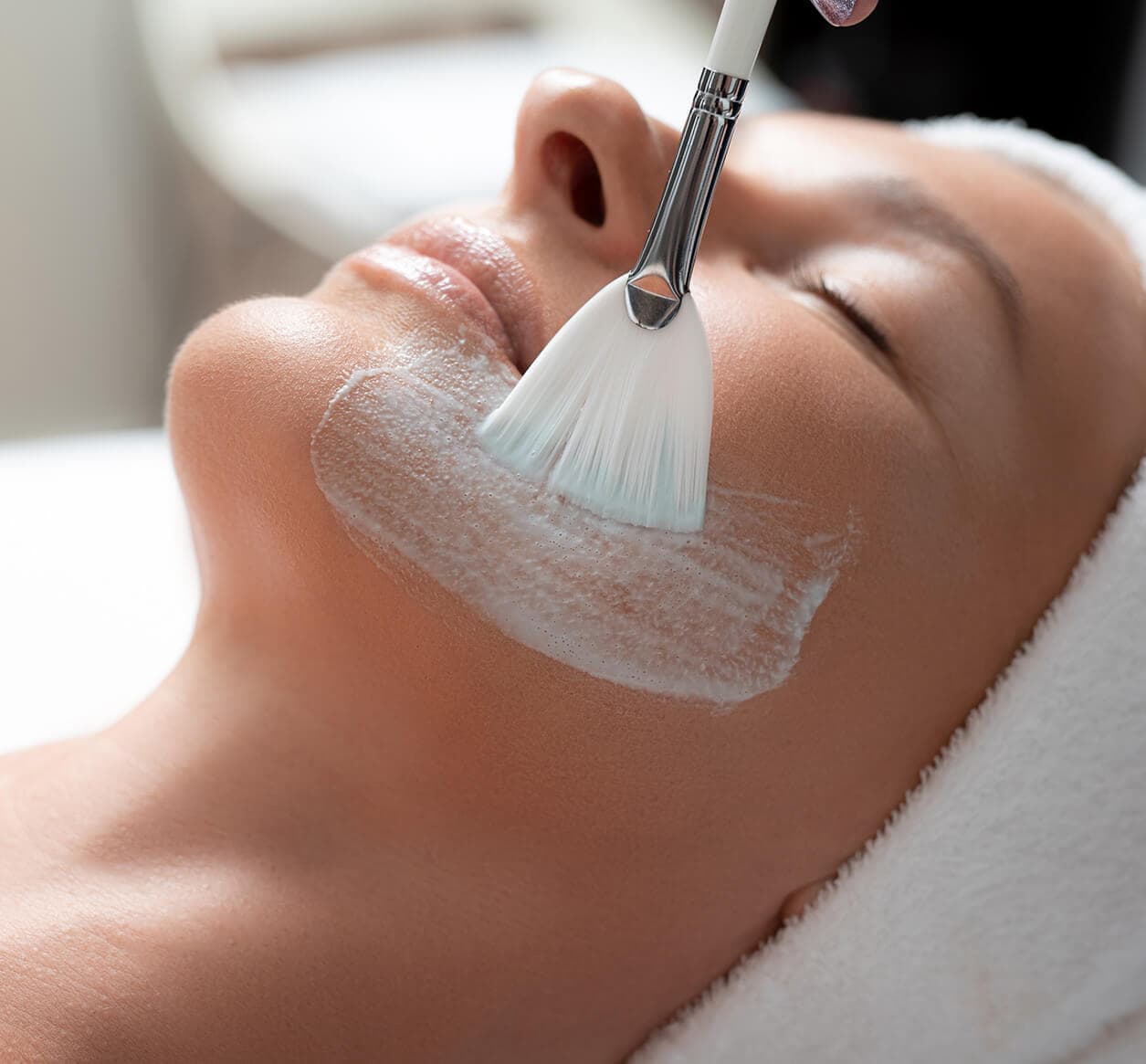
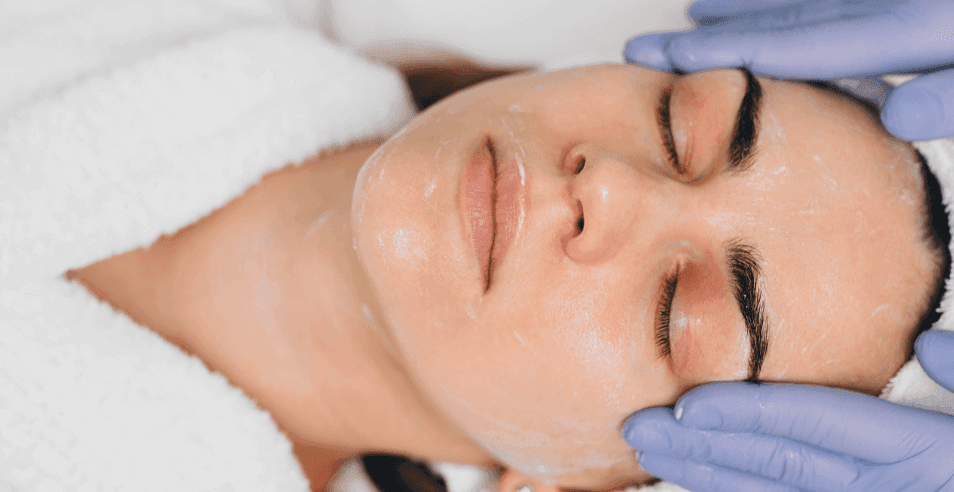
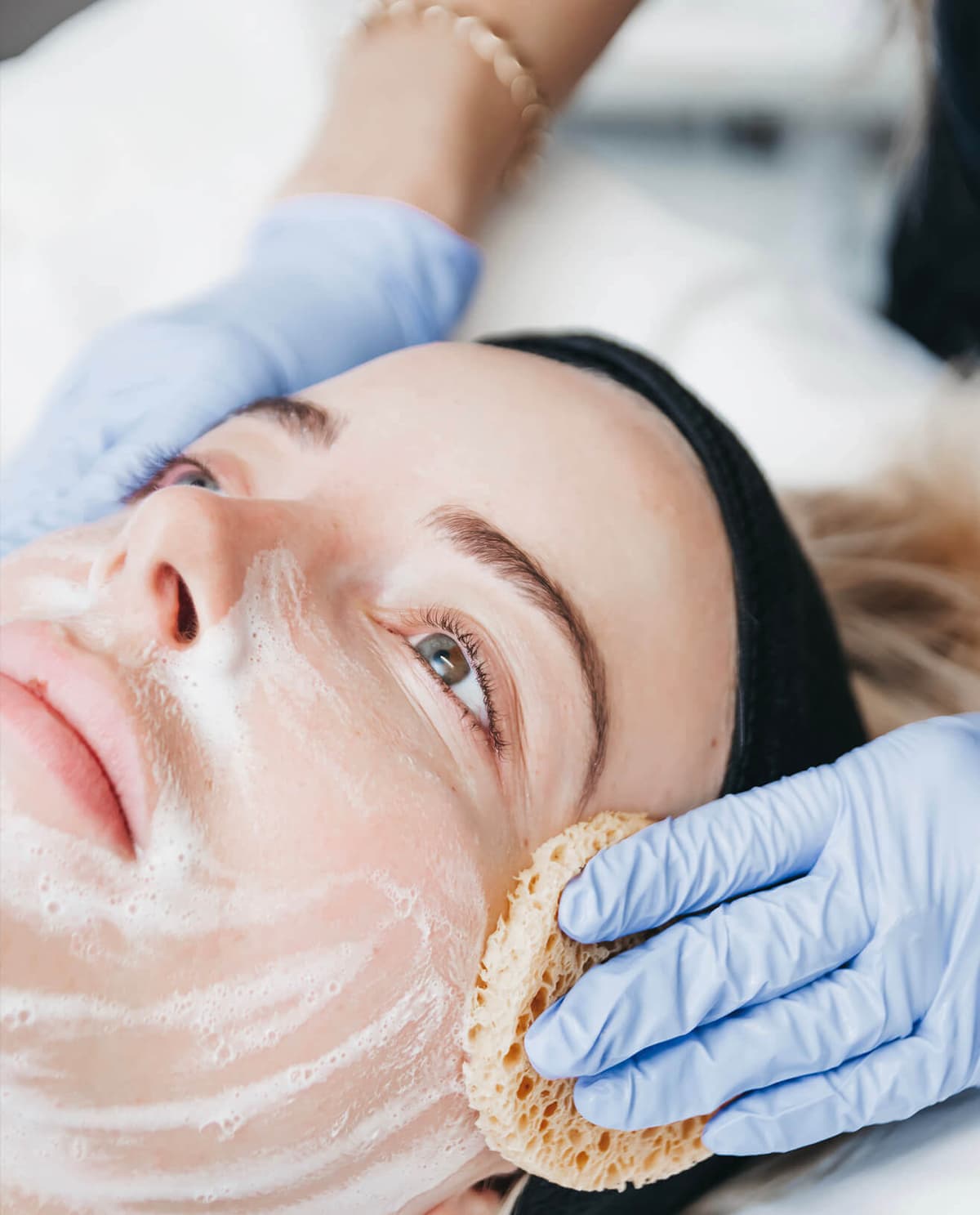
Chemical peels are professional exfoliating treatments designed to improve overall skin clarity, texture and tone by encouraging controlled exfoliation and renewal. Lighter peels may deliver a quick, refreshed glow with minimal downtime, while medium-depth or more targeted peels can create more noticeable peeling and a longer settling period. Your practitioner will advise exactly what to expect based on the peel chosen for your skin.
Chemical Peel Pre-Treatment Guidance
To prepare for your chemical peel treatment in London:
- Arrive with clean skin and avoid applying skincare products or make-up after cleansing.
- Inform your practitioner if you have active cold sores, open wounds, inflamed skin, or you are using prescription skincare that may increase sensitivity.
- Avoid excessive sun exposure in the lead-up to treatment and wear daily SPF.
- If you have an upcoming event, plan ahead as peeling can occur.
During your visit:
- Clinical photographs and consent will be completed if not already done.
- Your skin will be cleansed and your peel will be selected based on your skin condition, medical history and goals.
What to Expect Immediately After a Chemical Peel
Chemical peels have variable downtime. You may experience:
- Mild redness, tingling or warmth
- Slight swelling
- Tightness and dryness as the skin begins to renew
- Flaking or peeling over the next few days
It can be tempting to remove peeling skin, but this can damage the skin barrier and increase the risk of infection, scarring, or uneven pigmentation.
Chemical Peel Post-Treatment Care
On the day of your peel
- There is no need to wash your face on the same day as the peel.
- Avoid make-up for at least 6 hours after treatment.
For the first 48 hours
- Avoid saunas and steam rooms, vigorous exercise, and alcohol for 2 days.
- Avoid swimming for 2 days post-treatment.
For the first week
- Do not pick, pull or scrub any peeling skin. Allow it to shed naturally.
- Avoid electrolysis, waxing or threading for 7 days in the treated area.
- Do not exfoliate for at least 1 week, including scrubs and exfoliating acids.
For the first two weeks
- Avoid laser, chemical peels, and microdermabrasion for at least 2 weeks. Additional treatments too soon can irritate the skin and affect your result.
Sun protection (essential)
- Protect your skin from UVA and UVB with a broad-spectrum SPF 30+ daily and minimise direct sun exposure while your skin is healing.
When Will I See Results from a Chemical Peel?
Chemical peels improve skin clarity, texture and tone through controlled exfoliation and renewal.
- Some patients notice an early glow shortly after treatment.
- Texture and tone typically continue to improve over the following days and weeks as peeling resolves and the skin settles.
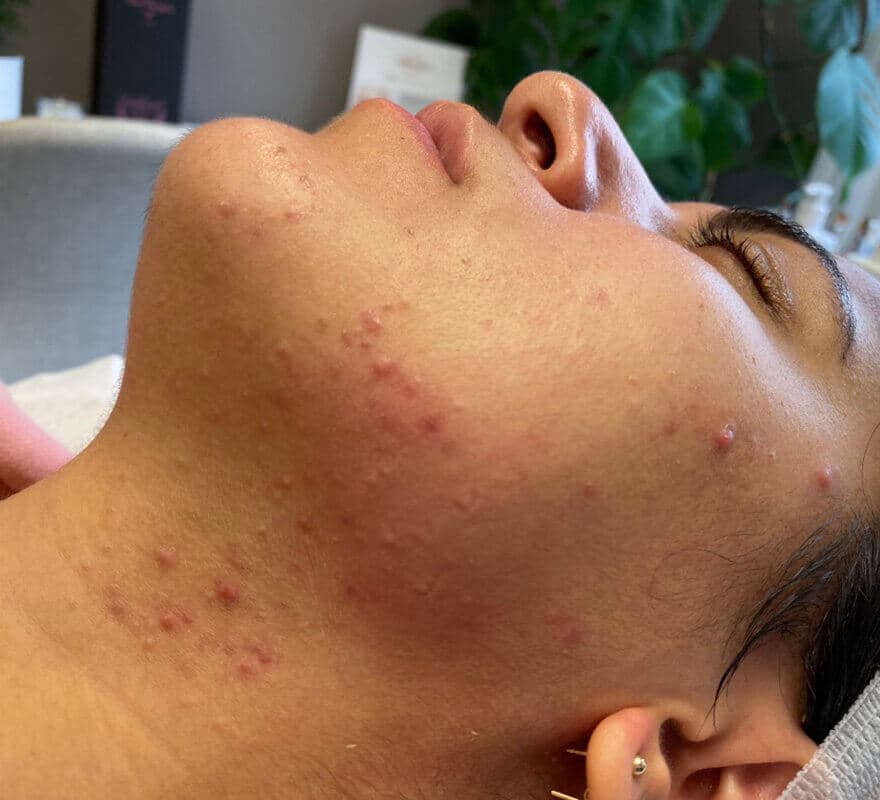
- A course of peels, spaced several weeks apart, may be recommended for concerns such as pigmentation, acne and early signs of ageing.
Who Should Not Have a Chemical Peel?
Chemical peels are selected based on your skin type, concerns and medical history to minimise risk. Your practitioner may advise against treatment, postpone your peel, or choose an alternative if you have:
- Active infection, cold sores, or broken skin in the treatment area
- Significant irritation or a compromised skin barrier
- A history of unusual reactions to peels or certain skincare ingredients
A full consultation will confirm suitability.
When to Contact Us
Chemical peels are suitable following professional consultation. Please contact L’Atelier Aesthetics if you experience:
- Increasing swelling, redness or discomfort that worsens rather than settles
- Blistering or broken skin
- Any reaction that feels unusual or concerning
Our Harley Street team is always available to support you following your treatment.