Concerned about acne & acne scarring, uneven texture and post-acne marks at L’Atelier Aesthetics, Harley Street. Personalised treatment plans
Acne scarring can be frustrating long after active breakouts have settled. For many patients, the concern is no longer acne itself, but the uneven texture, indentations, enlarged pores, post-inflammatory marks or loss of smoothness that acne can leave behind.
At L’Atelier Aesthetics on Harley Street, we take a structured, skin-first approach to acne scarring. Rather than recommending one treatment without context, we begin by assessing the type of scarring you have, whether there is still active inflammation, how your skin responds to pigmentation, and whether texture, redness or post-acne marks are also contributing to the concern.
Led by Dr Duncan Brennand and supported by the experienced L’Atelier clinical team, acne scarring treatment is planned carefully around your skin, your goals and your tolerance for downtime. The aim is to improve skin quality gradually and safely, helping the skin look smoother, clearer and more refined over time.
If you are unsure where to begin, a clinical assessment at L’Atelier Aesthetics is the best starting point.


Acne scarring can appear in different ways, and most patients have more than one concern. This is why a combination plan is often more effective than relying on a single treatment.
Indented acne scars are among the most common. These can appear as small pits, soft depressions or more defined marks in the skin. They often respond best to treatments that encourage collagen remodelling, such as SkinPen Microneedling, microneedling or Morpheus8 RF microneedling.
Uneven skin texture may make the skin look rough, dull or less smooth in certain lighting. This may be caused by shallow scarring, enlarged pores, congestion or a weakened skin barrier. In these cases, a treatment plan may include microneedling, chemical peels, exosomes or CoolPeel laser resurfacing.
Post-acne pigmentation can leave brown or darker marks after breakouts have settled. This is especially common in skin types that are more prone to pigmentary change. Where pigmentation is the main concern, treatment may focus on skin preparation, pigment control and options such as Dermamelan or chemical peels.
Post-acne redness is different from pigmentation and scarring. It may need a different treatment strategy, particularly if the skin is sensitive, reactive or still recovering from active acne. An Observ 520x skin analysis can be helpful because it allows the team to assess redness, pigmentation, congestion, enlarged pores and other underlying skin concerns in greater detail.


Acne scarring treatment works best when it is planned properly. The aim is not simply to resurface the skin, but to improve how the skin repairs, remodels and reflects light over time.
During your consultation, the L’Atelier team will consider the type of acne scarring present, whether there is still active acne, your skin tone, pigmentation risk, skin sensitivity, previous treatments, current skincare and how much downtime you are comfortable with.
Some patients are best suited to SkinPen Microneedling, particularly where the main concerns are acne scars, enlarged pores, uneven skin texture and long-term collagen regeneration.
Others may benefit from Morpheus8, particularly where acne scarring is combined with deeper texture, enlarged pores or early skin laxity. Morpheus8 can be useful when a more advanced collagen-remodelling approach is required.
For patients with pigmentation or post-inflammatory marks, the treatment plan may include chemical peels, Dermamelan or a personalised bespoke skincare programme.
For patients where texture and skin quality need additional regenerative support, exosomes may be used alongside microneedling to support skin quality, clarity and resilience.
The best treatment depends on the type of acne scarring you have. At L’Atelier Aesthetics, SkinPen Microneedling is often used for atrophic acne scars and uneven texture, while Morpheus8 may be recommended for deeper textural change, enlarged pores or acne scarring with skin laxity.
Acne scars can usually be improved, softened and made less visible, but complete removal is not always realistic. The aim is to improve skin texture, encourage collagen remodelling and create smoother, healthier-looking skin over time.
Yes. SkinPen Microneedling can be a good treatment for acne scars, particularly indented or atrophic scars. It works by stimulating the skin’s natural repair response and encouraging collagen production.
Morpheus8 is not automatically better than microneedling. It depends on the scar type, skin type and treatment goal. Morpheus8 may be more suitable for deeper texture, enlarged pores or skin laxity, while SkinPen or microneedling may be more appropriate for other patients.
Chemical peels can help improve post-acne marks, congestion, uneven tone and mild textural irregularity. For deeper indented acne scars, they may be combined with microneedling, SkinPen or Morpheus8.
Acne scars usually involve a change in the texture or structure of the skin, such as pitting or indentation. Acne marks usually refer to colour changes, such as brown pigmentation or red marks after breakouts. Both can appear together, but they often need different treatment approaches.
Exosomes may support skin repair, regeneration and overall skin quality when used alongside microneedling. They do not fill scars, but they can be helpful as part of a broader regenerative skin plan.
The number of treatments depends on the type and severity of scarring. Mild texture may improve with a shorter course, while more established acne scarring often needs several sessions. Your practitioner will advise on a suitable treatment plan after assessing your skin.
If you still have active acne, your skin may need to be stabilised before acne scarring treatment begins. Treating scars while the skin is actively inflamed may increase irritation or pigmentation risk. A clinical assessment
Many acne scarring treatments can be suitable for darker skin tones when planned carefully. However, pigmentation risk must be considered. Your practitioner may recommend skin preparation, cautious settings or pigment-focused treatment before starting more intensive procedures.
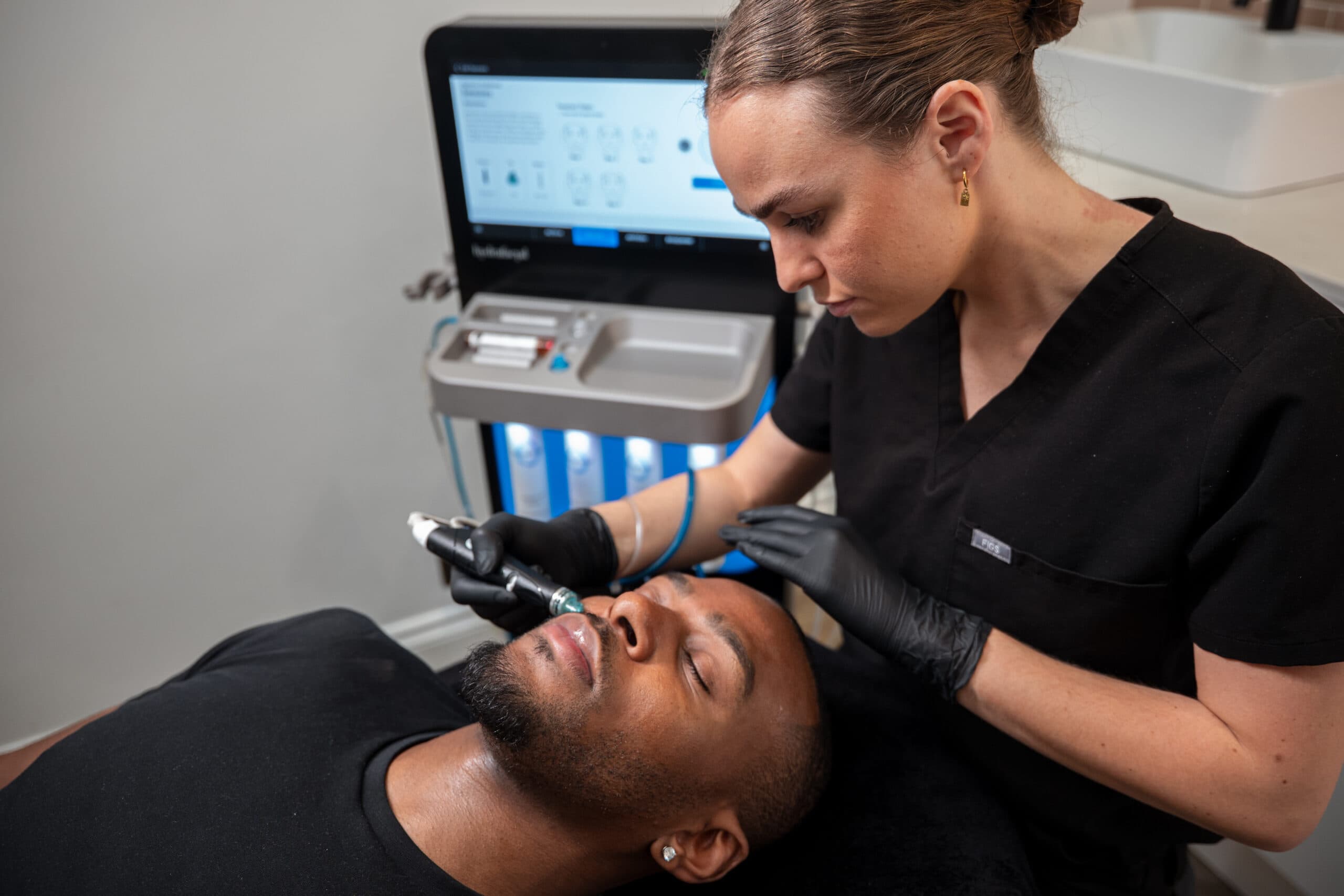
SkinPen Microneedling is one of the key treatment options for acne scarring at L’Atelier Aesthetics. It works by creating controlled micro-channels in the skin, stimulating the body’s natural repair response and encouraging collagen and elastin production over time.
This makes it particularly useful for atrophic acne scars, where the skin has healed with an uneven or indented surface. It can also help improve enlarged pores, uneven skin texture, hyperpigmentation and overall skin quality.
SkinPen is often a strong starting point for patients who want a medical-grade collagen induction treatment with progressive results and manageable downtime. For acne scarring, a course of treatments is usually recommended, with the exact number depending on the depth of scarring, skin type and individual response.
Microneedling at L’Atelier Aesthetics can help improve the appearance of acne scarring, post-inflammatory pigmentation, uneven tone, dullness, enlarged pores and general skin texture.
This treatment is particularly useful where the concern is not only scarring, but also overall skin quality. It can be used to stimulate renewal, refine roughness and help the skin appear smoother and brighter over a course of treatment.
Microneedling may also be combined with exosomes where additional regenerative support is appropriate.
Morpheus8 combines microneedling with radiofrequency energy. This allows the treatment to reach deeper layers of the skin than traditional microneedling alone, supporting collagen and elastin production while helping to remodel tissue beneath the surface.
For acne scarring, Morpheus8 may be recommended when scarring is deeper, when pores are enlarged, or when texture is combined with early laxity or loss of firmness. It is not always the first choice for every acne scar patient, but it can be a strong option where more advanced remodelling is needed.
Because Morpheus8 uses heat energy, it needs to be planned carefully around skin type, pigmentation risk and downtime expectations. At L’Atelier, this would be assessed before treatment is recommended.
Exosome treatment can be used alongside microneedling to support skin repair, clarity and resilience. Exosomes do not fill scars or replace collagen-stimulating treatments, but they can help support the skin’s regenerative response as part of a broader skin health plan.
For acne scarring, exosomes may be especially relevant when the goal is not only to soften texture, but also to improve overall skin function and recovery. They may be considered for patients whose skin looks dull, uneven, reactive or slow to recover.
Chemical peels at L’Atelier Aesthetics can help improve dullness, congestion, uneven tone, pigmentation and mild surface texture. They may be used as a standalone option where post-acne marks are the main concern, or as part of a broader acne scarring plan.
For deeper indented acne scars, chemical peels are usually not the only treatment required. However, they can be very useful when pigmentation, congestion or dullness is making acne scarring appear more visible.
A peel programme may also be recommended before or between other treatments to support skin clarity and improve the overall condition of the skin.
Dermamelan is not an acne scar treatment in the traditional sense, but it can be highly relevant when the main concern is pigmentation left behind after acne.
Post-inflammatory hyperpigmentation can often be mistaken for scarring. The skin may feel relatively smooth, but still appear marked, patchy or uneven in colour. In these cases, a pigment-focused approach may be more appropriate than a scar-focused treatment alone.
For patients with post-acne pigmentation, Dermamelan may be considered as part of a structured plan before, after or alongside other skin treatments.
CoolPeel laser at L’Atelier Aesthetics is a CO2 laser resurfacing treatment that may be considered where surface texture, pores and shallow scarring are part of the concern.
For acne scarring, CoolPeel may be suitable for selected patients who want to improve skin texture, tone and radiance. Suitability depends on your skin type, pigmentation risk, downtime tolerance and whether the skin has been properly prepared.
CoolPeel is not always the first treatment for acne scarring, but it can be a useful option within a wider treatment plan when resurfacing is appropriate.
An Observ 520x skin analysis can be a valuable first step before starting acne scarring treatment. It helps the team assess the skin under different lighting modes, giving a clearer view of pigmentation, redness, congestion, enlarged pores, texture irregularities, dehydration and other underlying skin changes.
This can be especially useful when acne scarring is mixed with post-acne marks, sensitivity or pigmentation, as it helps guide a more precise treatment plan.
For many patients, the best starting point is a clinical assessment. This allows the L’Atelier team to look at your skin properly before recommending a treatment pathway.
If your skin barrier, breakouts, pigmentation or routine need to be addressed before treatment, a bespoke skincare programme may also be recommended.
This is particularly important for acne scarring because the quality and stability of the skin can affect how well it responds to treatment. Preparing the skin properly can help reduce irritation, support healing and improve the overall treatment result.
Acne scarring is rarely one-dimensional. One patient may have shallow scars, enlarged pores and pigmentation. Another may have deeper scars with redness and uneven texture. A third may still be experiencing breakouts, which means calming and stabilising the skin comes before scar revision.
This is why L’Atelier often takes a layered approach. A treatment plan may begin with Observ 520x skin analysis or a clinical assessment, followed by skincare preparation, collagen-stimulating treatment and maintenance.
A typical acne scarring plan may include SkinPen Microneedling for collagen stimulation, exosomes for regenerative support, chemical peels for texture and post-acne marks, Dermamelan for pigmentation, or Morpheus8 and CoolPeel where deeper remodelling or resurfacing is appropriate.
The right sequence matters. Treating pigmentation too aggressively, treating active acne too soon, or choosing the wrong device for the wrong skin type can make the skin more reactive. At L’Atelier, your treatment plan is built around your skin, not simply the name of a treatment.
Dr Duncan Brennand is our lead Aesthetic Physician at L’Atelier with a wealth of expertise in both innovative and evidence-based treatments. He is an expert in all things dermal fillers, HA injections, collagen stimulating fillers and our skin booster range along with many other non surgical and surgical treatments.
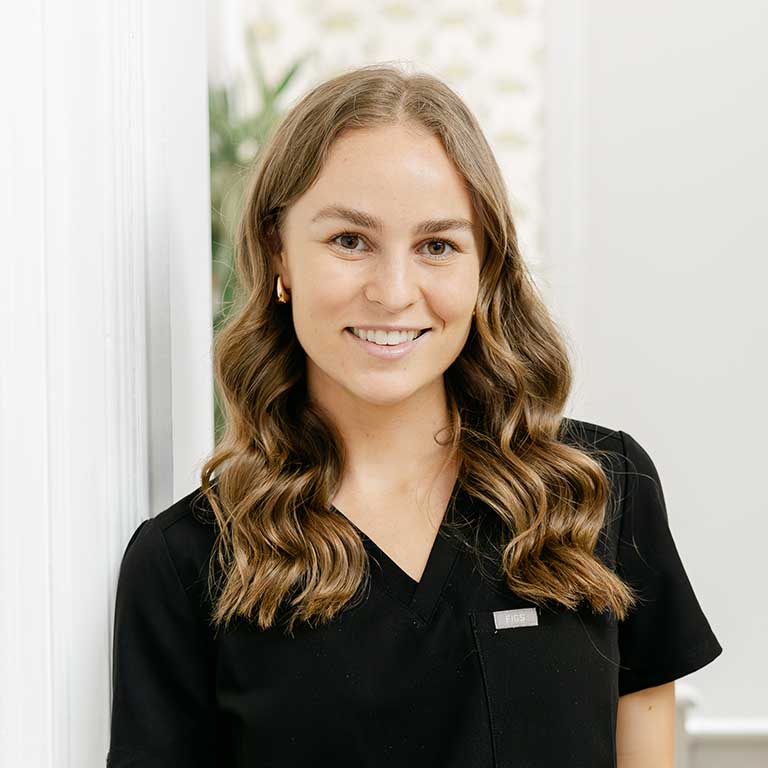
Our team of expert aestheticians includes Emma, Bronte and Kate who carry out our device and non-injectable acne treatments.


We are delighted to have over 200+ 5 star reviews. Your feedback is always important to us, as it helps us to improve our systems and processes in our continual pursuit of excellence. If you have any suggestions, comments, or concerns please get in touch.
SkinPen Microneedling – medical-grade microneedling for acne scars, enlarged pores, texture and collagen stimulation.
Microneedling – a versatile treatment for acne scarring, post-inflammatory pigmentation, uneven tone and skin renewal.
Morpheus8 – radiofrequency microneedling for deeper texture, acne scarring, enlarged pores and skin firmness.
Exosomes – regenerative skin support often used alongside microneedling to improve repair, clarity and resilience.
Chemical Peels – peels for post-acne marks, congestion, uneven tone, texture and skin clarity.
Dermamelan – a depigmentation programme for post-inflammatory pigmentation and uneven tone.
CoolPeel – CO2 laser resurfacing for acne scars, pores, texture, tone and radiance in selected patients.
Observ 520x Skin Analysis – advanced skin imaging to assess pigmentation, redness, congestion, enlarged pores and underlying skin health.
Clinical Assessment – the best starting point if you are unsure which acne scarring treatment is right for you.
Bespoke Skincare – personalised skincare planning to support skin health and improve treatment outcomes.
Considering a dermal filler treatment? Learn more through our blog articles.
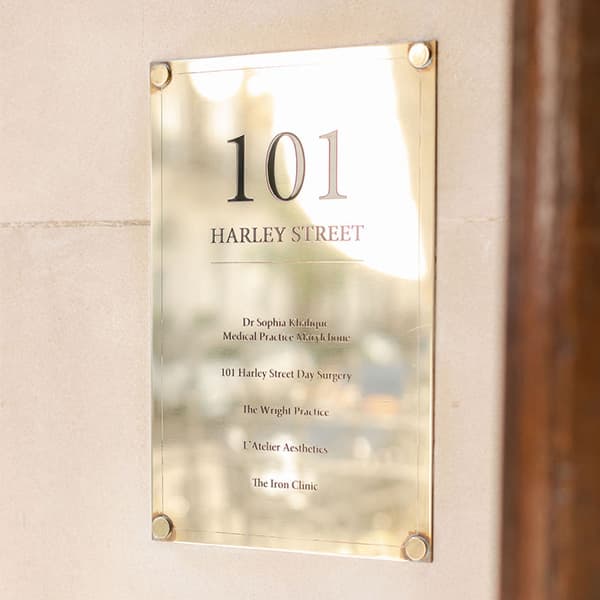
We welcome patients from across Marylebone, Mayfair, Fitzrovia, Regent’s Park, Soho, Knightsbridge, Belgravia, Chelsea and Kensington, as well as visitors travelling to London for specialist aesthetic and skin treatments. Our location benefits from excellent transport links, with Oxford Circus only a 13 minute walk away, Bond Street and Regent’s Park Underground stations are also both within easy reach. The clinic is also conveniently accessible from major London rail stations and Heathrow, Gatwick and London City airports thanks to the Elizabeth line, making visits straightforward for both UK and international patients.
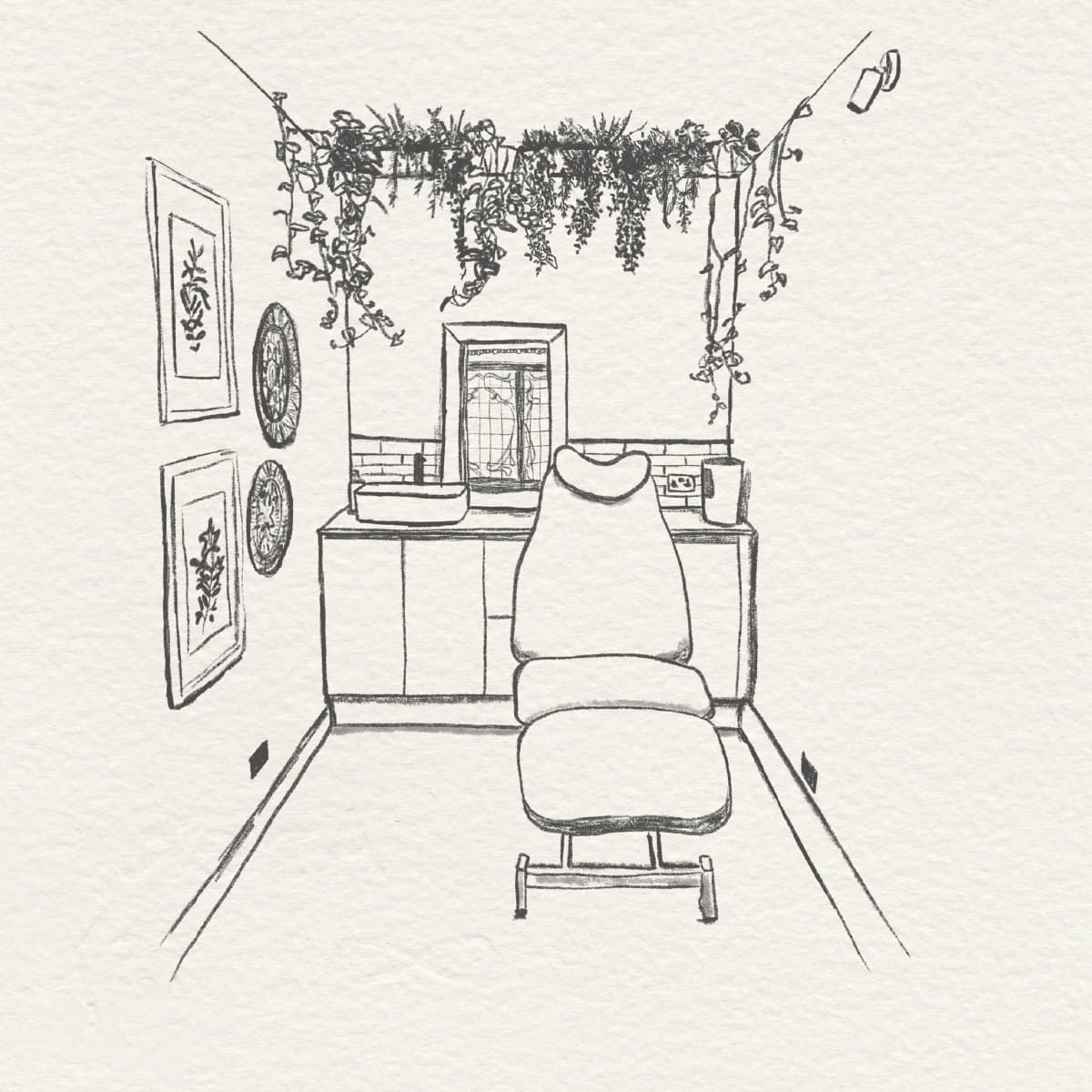
Whether you are travelling from within London or further afield, our Harley Street clinic provides a calm, professional environment for personalised aesthetic and skin health treatments in one of the capital’s most respected medical locations.
Google Reviews Rated 4.9 ★ ★ ★ ★ ★ from 286 Reviews