Why Forehead Lines Occur
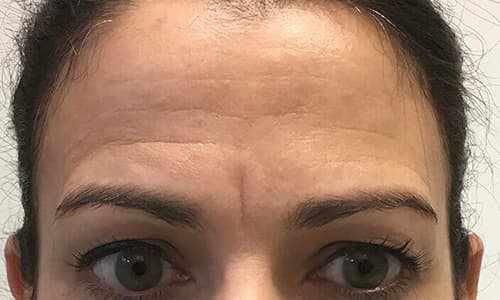
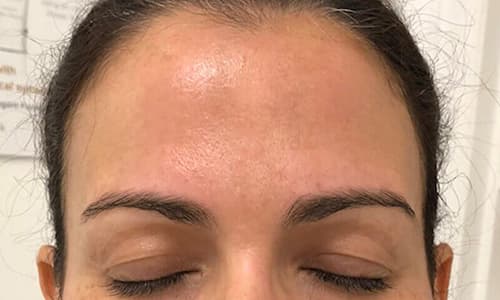
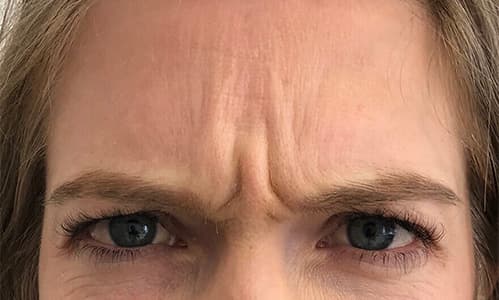
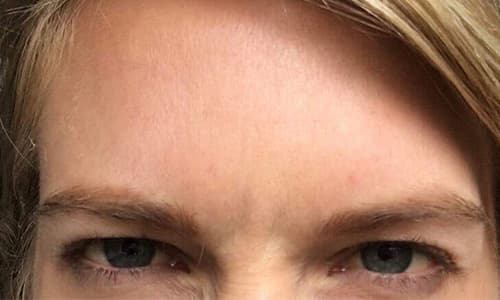
Forehead lines occur when dynamic expression and age-related skin changes combine. Repeated eyebrow movement creates creases in the same areas, and as collagen, elastin and hyaluronic acid decline, the skin gradually loses its ability to bounce back. Over time, these expression lines become static, showing even when the face is still.
Understanding the degree of muscle activity versus the degree of skin ageing allows us to choose the most effective treatment approach.
Forehead Lines Explained and why consider treatment:
Forehead lines develop due to a combination of repetitive movement and gradual changes within the skin. Several factors influence how they appear:
Frequent lifting of the brows:
Everyday expressions activate the frontalis muscle, causing horizontal lines to form across the forehead.
Reduced collagen and elastin:
As the skin ages, it loses firmness and becomes more susceptible to creasing.
Skin thinning:
Lower levels of structural support make lines more noticeable and longer lasting.
Hydration loss:
Dry or dehydrated skin can accentuate surface creases.
Genetic facial patterns:
Some people naturally use their forehead muscles more, leading to earlier line formation.
Because everyone’s anatomy and skin quality differ, forehead lines vary in depth, distribution and visibility.