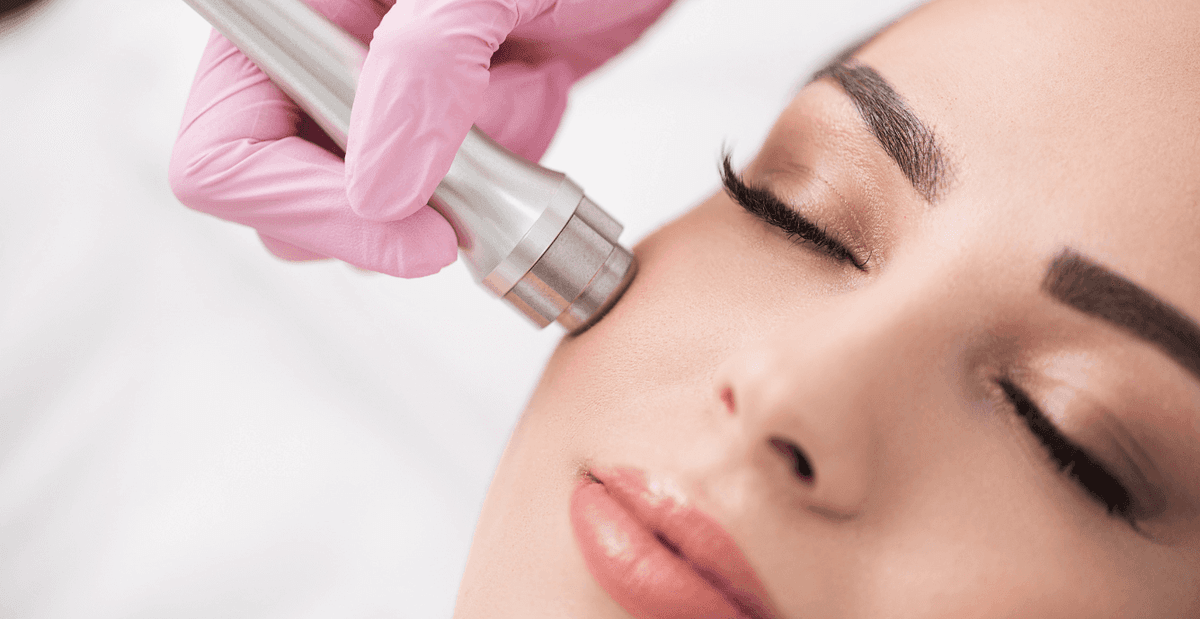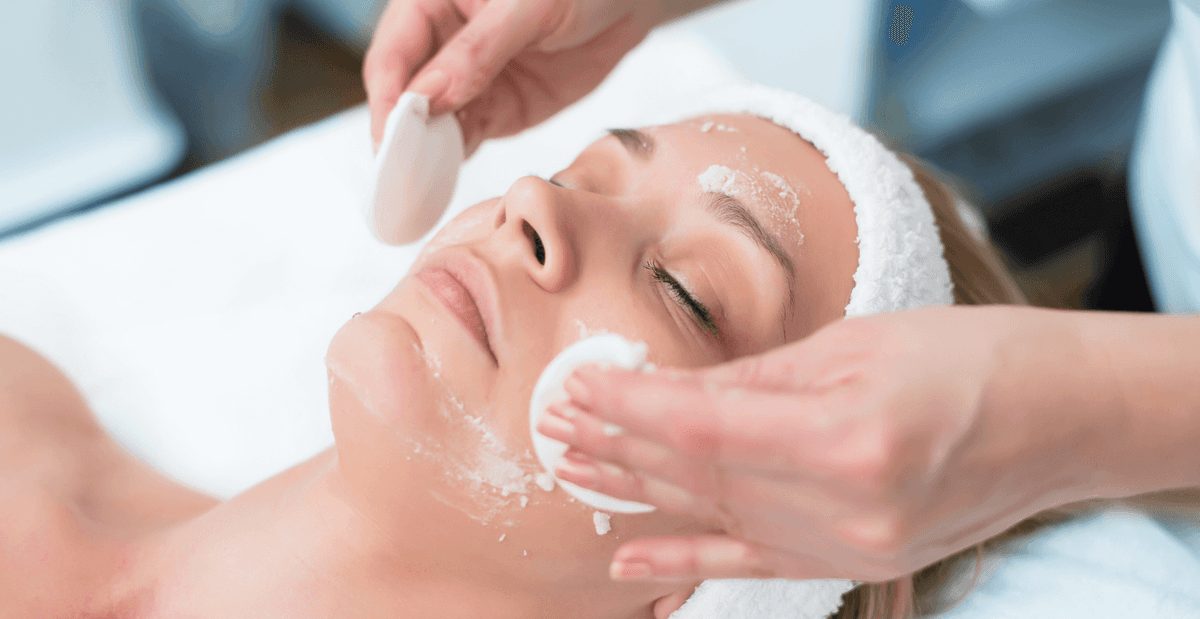
Two regenerative techniques in one session. PRP microneedling pairs controlled microneedling with platelet-rich plasma drawn from your own blood, to support skin renewal from within, with results that build over the following weeks.

PRP microneedling combines two regenerative techniques, controlled microneedling and platelet-rich plasma (PRP) drawn from the patient’s own blood, in a single in-clinic treatment. It is offered at L’Atelier Aesthetics on Harley Street, London, under the personal supervision of Dr Duncan Brennand | GMC: 4341662 for patients looking to support skin renewal and improve overall skin quality using their own biological material rather than an injectable filler or synthetic product.
PRP microneedling, sometimes referred to as a vampire facial, is a regenerative skin treatment that pairs fine-needle microneedling with topically applied platelet-rich plasma. It sits within the skin rejuvenation category, alongside treatments such as Profhilo, Polynucleotides and Regen3 Microneedling, but is distinct in one key respect: the active ingredient is drawn entirely from the patient’s own blood rather than a manufactured skin booster or biostimulator. Where standard microneedling relies on the micro-injury response alone to stimulate collagen, PRP microneedling adds a concentrated dose of the patient’s own growth factors into the same channels, intended to support and potentially enhance that repair process.
Microneedling alone works by creating a controlled pattern of tiny punctures in the skin, prompting the body’s natural wound-healing response and stimulating fibroblasts to produce new collagen and elastin. PRP is rich in growth factors and proteins involved in tissue repair. Applying it during microneedling is intended to support this repair process using material that originates entirely from the patient’s own body, avoiding any injected filler product. As with any regenerative treatment, individual response varies, and results depend on factors including skin condition, age and how consistently the course is followed.

PRP microneedling tends to respond best to concerns rooted in overall skin quality and texture, rather than volume loss or deep static lines. It is not the right treatment for hollowing under the eyes or in the cheeks, where dermal fillers or skin boosters such as Profhilo are usually more appropriate, nor for deep, well-established wrinkles, where a combination approach is generally needed.
Suitability for any of these concerns is confirmed at consultation with Dr Brennand.
Slower cell turnover leaves older, duller skin cells sitting on the surface for longer instead of shedding at their usual rate. That build-up changes how light reflects off the skin, which is part of what gives a complexion its natural glow
Collagen and elastin, the proteins giving skin its structure and bounce, are produced by fibroblasts at a naturally declining rate as skin matures. Less structural support in the deeper layers lets fine lines form and skin feel less firm to the touch.
Pores are held in shape partly by the collagen scaffolding around them. As that support weakens, the pore lining loses structure and sits more open, making pores appear larger, particularly across the nose and cheeks.
When skin heals from acne or an earlier cosmetic procedure, the new tissue can be fibrous and tethered to the layers beneath it, creating a shallow depression rather than a flat surface. Encouraging fresh collagen around this tissue can help soften how tethered and depressed it looks.
Once a breakout has settled, skin often carries a temporary echo of that inflammation, either as lingering redness from surface blood vessels or a patch of leftover pigment. This is a separate process to scarring, since no structural tissue damage is necessarily involved.
The outermost skin layer can build up unevenly, particularly where dead skin cells aren’t shedding at a consistent rate, leaving a surface that feels rough or looks uneven under make-up. This sits at surface level, distinct from the deeper changes behind pores or scarring.
Rapid stretching of the skin, from pregnancy, growth or a fast change in weight, can tear or thin the collagen bands running through the dermis faster than they can be replaced, leaving a visible line where the skin’s structure has been disrupted.
The dermis, the structural layer beneath the surface, naturally thins over time as collagen turnover slows, leaving skin more fragile and showing everyday wear more easily.
Patients are advised to avoid make-up for the remainder of the treatment day, keep the skin clean and well moisturised, and use a high-factor SPF daily, since treated skin is more sensitive to sun exposure in the days following treatment. Strenuous exercise, saunas and swimming are generally avoided for 24 to 48 hours.
PRP microneedling is generally suitable for patients in good general health who are looking to improve overall skin quality, texture and radiance using their own biological material rather than an injectable product.
It is not suitable for patients who are pregnant or breastfeeding, have active skin infections or inflammatory skin conditions in the treatment area, or have a blood disorder affecting platelet function.
Suitability is always confirmed at consultation with Dr Brennand. For patients whose primary concern is volume loss rather than skin quality, Profhilo or dermal fillers may be a better-suited alternative, and Dr Brennand will discuss this honestly if PRP microneedling is not the right fit.


If you still have questions, or would like to speak to a member of the team. You can contact us by; Phone, Email, WhatsApp and WebForm. It is our upmost priority that during your stay at 101 Harley Street, whether in our surgical or non surgical clinic, you feel safe, relaxed, and comfortable, so please do not hesitate to reach out to any of our highly trained team should you require anything.
Standard microneedling relies on the skin’s own wound-healing response to the micro-injury created by the device. PRP microneedling adds a concentrated dose of the patient’s own platelet-rich plasma into the same channels, which contains growth factors involved in tissue repair. Both approaches stimulate collagen production, but PRP microneedling adds an additional biological input using the patient’s own blood.
Whether PRP microneedling is worth it depends on your skin concern, budget and expectations. It tends to suit patients looking for a gradual improvement in skin quality and texture using their own biological material, rather than those seeking a dramatic or immediate change. Suitability and expected outcome for your particular skin are best discussed at a consultation.
No treatment can guarantee a specific result, and individual response to PRP varies. Most patients see a gradual improvement in skin quality or hair thinning over several weeks, and this is discussed in realistic terms at consultation.
The main benefits reported are a brighter, more even-looking complexion, smoother texture and improved skin firmness over time, as the skin’s collagen and elastin production is supported. Because the PRP is derived from the patient’s own blood, some patients prefer it to treatments using manufactured or synthetic products.
Neither is inherently better. Microneedling alone can improve skin texture through the wound-healing response it triggers. Adding PRP is intended to support that process further using the patient’s own growth factors, though individual response varies and PRP microneedling is a longer, more involved treatment. Dr Brennand can advise on which approach best suits your skin and concern at consultation.
Most patients experience redness, tightness and mild swelling for around 2 to 4 days after treatment, similar in appearance to mild windburn. Skin may feel slightly dry or flaky as it settles. Most people are comfortable returning to normal daily activities the following day, though make-up is best avoided for the remainder of treatment day.
Most patients are advised to complete a course of treatments spaced several weeks apart, since collagen remodelling takes time and builds cumulatively across sessions. Exact numbers are confirmed at consultation based on your skin condition and goals.
PRP microneedling can be used around the eye area for general skin quality concerns such as fine lines and texture. However, if your primary concern is hollowing or volume loss under the eyes, this is generally better addressed with a dermal filler or skin booster, and Dr Brennand will advise on the most appropriate option at consultation.
“Vampire facial” is a popular name sometimes used interchangeably with PRP microneedling, referring to the same combination of microneedling and platelet-rich plasma. The clinical process is the same treatment under different names.
As with any skin treatment involving microneedling, there is a small risk of infection, bruising or an uneven response if the skin is not properly cared for afterwards. Because PRP uses the patient’s own blood, the risk of an allergic reaction to the plasma itself is very low. A full medical history is taken at consultation to check for any contraindications, such as blood disorders or active skin infection.
Initial redness and swelling settle within a few days, but the visible improvement in skin quality, brightness and texture develops gradually over the following weeks as collagen remodels. Most patients need to complete a full course before a noticeable change is apparent.
We are delighted to have over 200+ 5 star reviews. Your feedback is always important to us, as it helps us to improve our systems and processes in our continual pursuit of excellence. If you have any suggestions, comments, or concerns please get in touch.
Considering a PRP treatment? Learn more through our blog articles.
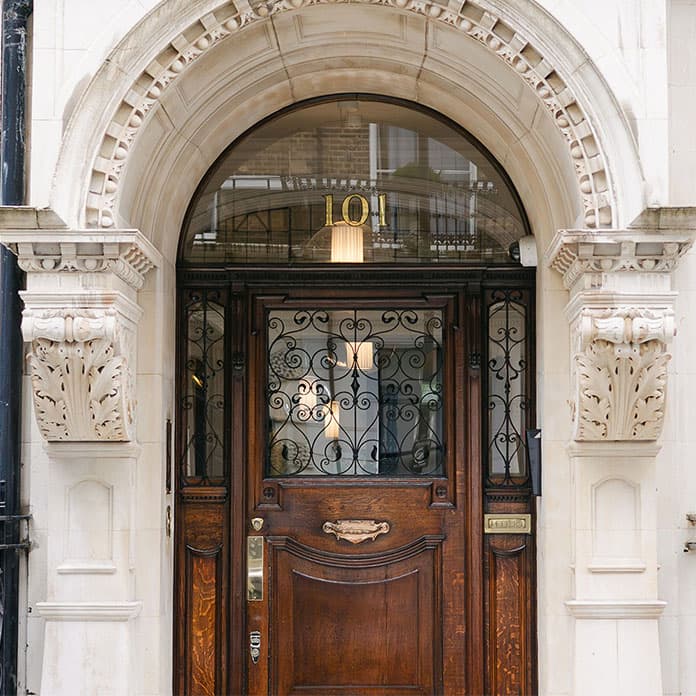
We welcome patients from across Marylebone, Mayfair, Fitzrovia, Regent’s Park, Soho, Knightsbridge, Belgravia, Chelsea and Kensington, as well as visitors travelling to London for specialist aesthetic and skin treatments. Our location benefits from excellent transport links, with Oxford Circus only a 13 minute walk away, Bond Street and Regent’s Park Underground stations are also both within easy reach. The clinic is also conveniently accessible from major London rail stations and Heathrow, Gatwick and London City airports thanks to the Elizabeth line, making visits straightforward for both UK and international patients.
Whether you are travelling from within London or further afield, our Harley Street clinic provides a calm, professional environment for personalised aesthetic and skin health treatments in one of the capital’s most respected medical locations.