
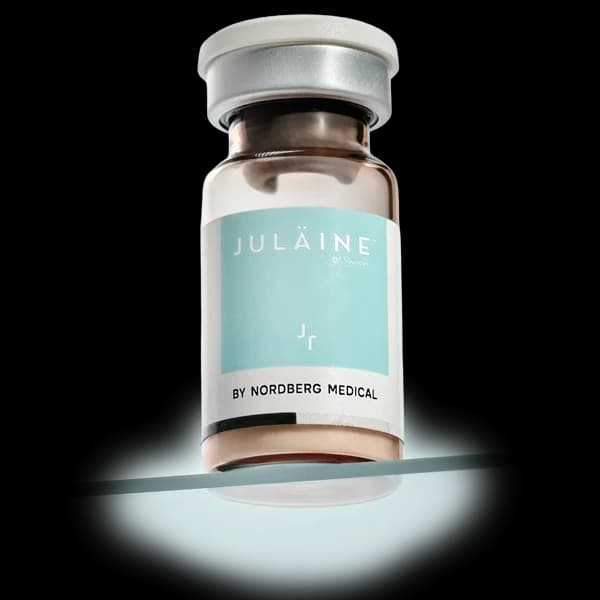
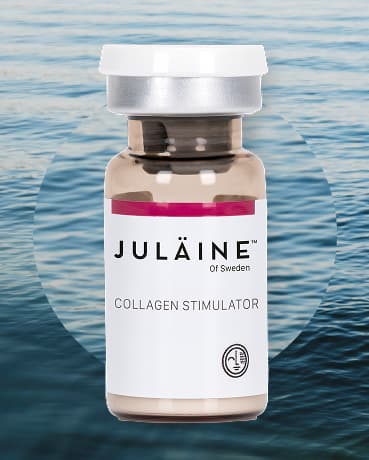
Julaine is a collagen-stimulating injectable which works by encouraging your skin to produce more of its own collagen over time. Rather than creating immediate volume like a filler would, Julaine gradually improves firmness, elasticity and overall skin quality by supporting your skin’s natural regenerative processes.
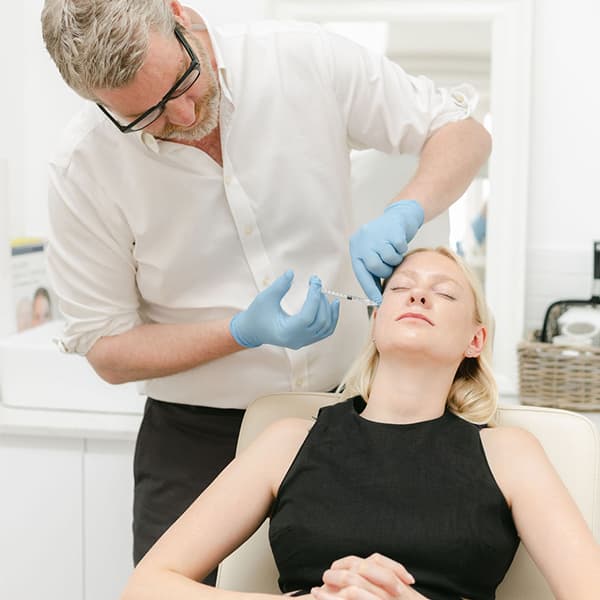
At L’Atelier Aesthetics on Harley Street, every Julaine treatment is performed personally by Dr Duncan Brennand following a consultation.
If you’ve been researching regenerative skin treatments and want a clear, straightforward explanation, this guide covers what Julaine is, how it works, what it can and cannot do, and how it compares to treatments such as Profhilo.
Authored and reviewed by Dr Duncan Brennand, Lead Aesthetic Doctor, L’Atelier Aesthetics, Harley Street
Julaine is a bio-stimulating injectable, sometimes described as a skin bio-activator. It belongs to a category of treatments known as collagen biostimulators, which are designed to support the structure and health of the skin rather than to reshape or inflate it.
The active ingredient is poly-L-lactic acid, a substance that has been used safely in medicine for many years. Julaine uses a refined form of PLLA with more uniform microspheres than earlier biostimulators, which supports even, predictable results and a comfortable treatment experience. Because it works with your own biology, the changes it produces tend to look natural and develop quietly rather than all at once.
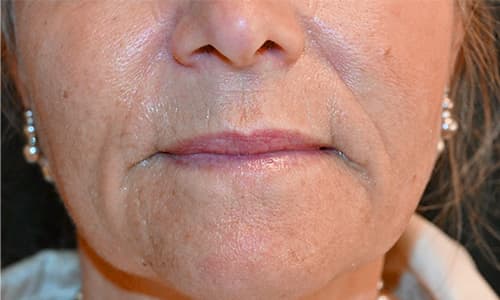
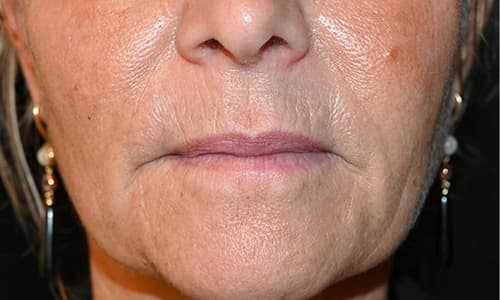
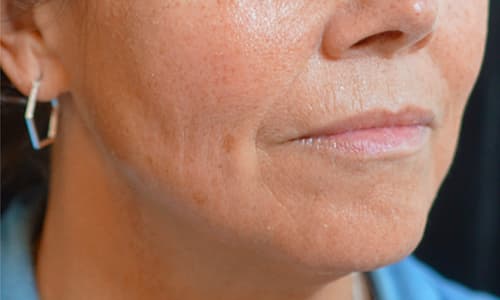
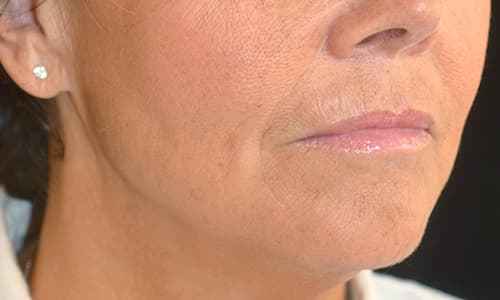
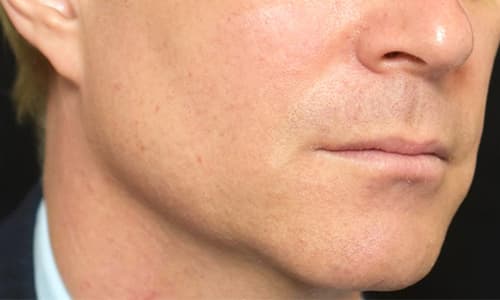
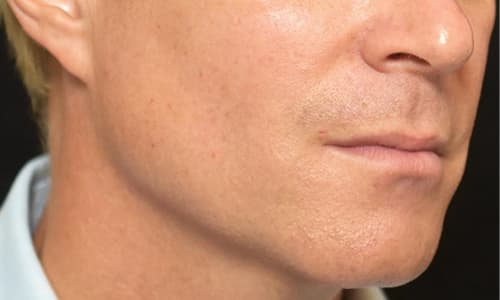
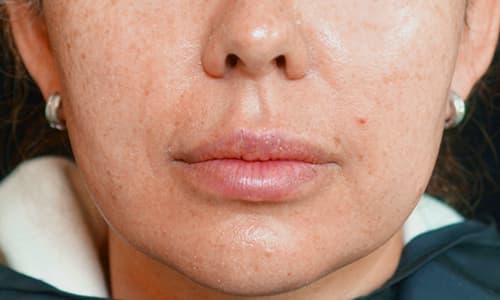
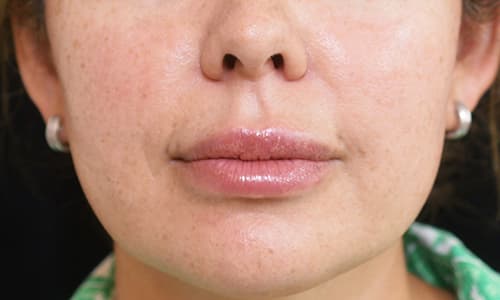
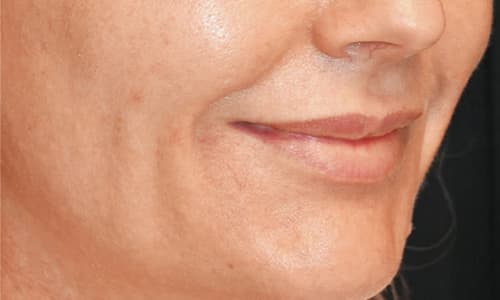
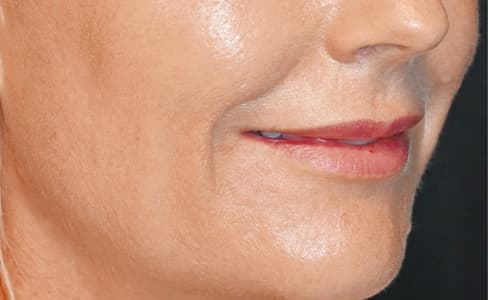
Once injected into the deeper layers of the skin, Julaine acts as a gentle stimulus. Your body recognises the PLLA microspheres and responds by producing new collagen around them. Collagen is the structural protein that keeps skin firm, supported and resilient, and it is something we all gradually lose with age.
Over the weeks and months that follow, this fresh collagen builds within the dermis, improving the skin’s firmness, texture and tone from within. The PLLA itself is gradually broken down and absorbed by the body, leaving behind the collagen your skin has produced. This is why the results are considered regenerative: the improvement comes from your own tissue rather than from a product sitting in place.
No, and this distinction matters. A traditional dermal filler is usually made from hyaluronic acid and works by physically adding volume to a specific area the moment it is placed. The effect is immediate and can be shaped precisely, which makes dermal fillers well suited to restoring a defined hollow or enhancing a particular contour.
Julaine does something different. It does not sit in the skin to create volume. Instead, it triggers a biological process that strengthens and improves the skin over time. In Dr Brennand’s experience, this makes Julaine a natural choice for patients who want to improve skin quality and firmness rather than change the shape of their face. Our Julaine aftercare guide explains what to expect as that process unfolds.

Not in the way a filler does. Julaine is not a volumising treatment and it will not instantly plump or fill a specific area. What it can do, indirectly, is improve the underlying support of the skin as new collagen forms, which may soften the appearance of mild volume loss and restore a firmer, more refreshed look.
If your main concern is a distinct area of lost volume, a filler placed by Dr Brennand is likely to be more appropriate, and in some cases the two approaches are combined within a considered plan.

Julaine is not an instant treatment, and it is worth understanding this before you start. Because it works by stimulating collagen, the changes appear gradually. Most patients begin to notice improvements in skin quality and firmness within several weeks, with results continuing to develop over the following months as collagen production increases. A course of treatment, usually two to three sessions spaced a few weeks apart, allows the process to build steadily for the most natural, lasting effect.
The appeal of Julaine lies in its subtlety and longevity. Because it improves the skin gradually and works with your own collagen, results tend to look natural rather than obvious. Patients often describe the outcome as looking like better skin, not treated skin.
Clients often benefit from:
The results are also long-lasting. Because they rely on newly formed collagen, many patients enjoy the benefits for up to around two years, with maintenance as needed. Julaine combines well with other treatments too, and Dr Brennand may suggest pairing it with skin-tightening options such as Sofwave or Morpheus8 where additional lifting or remodelling would help.
Julaine and Profhilo are both regenerative injectables that improve skin quality without adding volume, but they work in different ways and suit different goals. Profhilo is a hyaluronic acid skin booster that deeply hydrates the skin and stimulates collagen and elastin through a process known as bio-remodelling, making it a strong option for radiance, hydration and overall freshness. Julaine, as a PLLA collagen biostimulator, focuses more on building structural collagen to improve firmness and support over the longer term.
Neither is better in absolute terms; the right choice depends on your skin and what you want to achieve. You can read more about how regenerative skin boosters compare in our guide to Profhilo and polynucleotides, and the most reliable way to decide is a consultation where your skin can be properly assessed.
| Julaine | Profhilo | |
|---|---|---|
Treatment type | Collagen biostimulator | Hyaluronic acid skin booster |
How it works | Stimulates your body's own collagen production | Deeply hydrates the skin while stimulating collagen and elastin through bioremodelling |
Best for | Improving firmness, structural support and skin quality | Improving hydration, radiance and mild skin laxity |
Adds immediate volume? | No | No |
Results | Gradual improvement over several weeks as collagen develops | Gradual improvement in hydration and skin quality following treatment |
Can they be combined? | Yes, where clinically appropriate | Yes, where clinically appropriate |
Whether Julaine is the right treatment depends on your skin quality, facial structure and treatment goals.
At L’Atelier Aesthetics, Julaine always begins with a consultation with Dr Brennand, who will assess your skin, discuss your goals and confirm whether it is the most suitable option for you. As an injectable treatment, Julaine is performed by Dr Brennand personally.
In our experience, the patients who are happiest with Julaine are those looking for a natural, progressive improvement in skin quality rather than a dramatic or immediate change. For many, it becomes the foundation of a longer-term plan to maintain healthy, resilient skin.

Poly-L-lactic acid has a long history of safe use in medicine. At L’Atelier Aesthetics, Julaine is only carried out after a consultation with Dr Brennand to confirm it is right for you. Mild redness or swelling at the injection sites can occur but usually settles quickly.
Julaine is generally well tolerated. It is delivered through a fine needle, and Dr Brennand uses careful technique to keep the treatment as comfortable as possible.
Most patients have a course of two to three sessions, typically spaced around four to six weeks apart, so that collagen can build steadily between appointments. Your exact plan is agreed at consultation.
Julaine is commonly used across the cheeks, jawline, temples and lower face to support firmness and skin quality. Dr Brennand will recommend the most appropriate areas for your concerns.
Pricing depends on the number of sessions and the areas treated. All costs will be transparently discussed and confirmed during your consultation.
We welcome patients from across Marylebone, Mayfair, Fitzrovia, Regent’s Park, Soho, Knightsbridge, Belgravia, Chelsea and Kensington, as well as visitors travelling to London for specialist aesthetic and skin treatments. Our location benefits from excellent transport links, with Oxford Circus only a 13 minute walk away, Bond Street and Regent’s Park Underground stations are also both within easy reach. The clinic is also conveniently accessible from major London rail stations and Heathrow, Gatwick and London City airports thanks to the Elizabeth line, making visits straightforward for both UK and international patients.
Whether you are travelling from within London or further afield, our Harley Street clinic provides a calm, professional environment for personalised aesthetic and skin health treatments in one of the capital’s most respected medical locations.