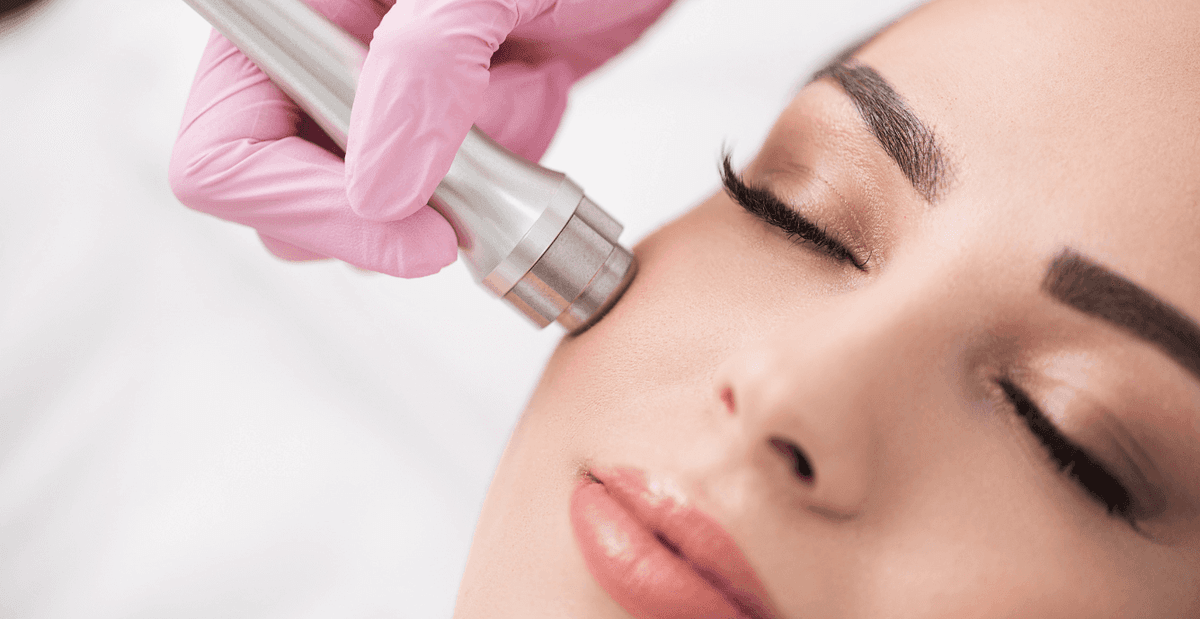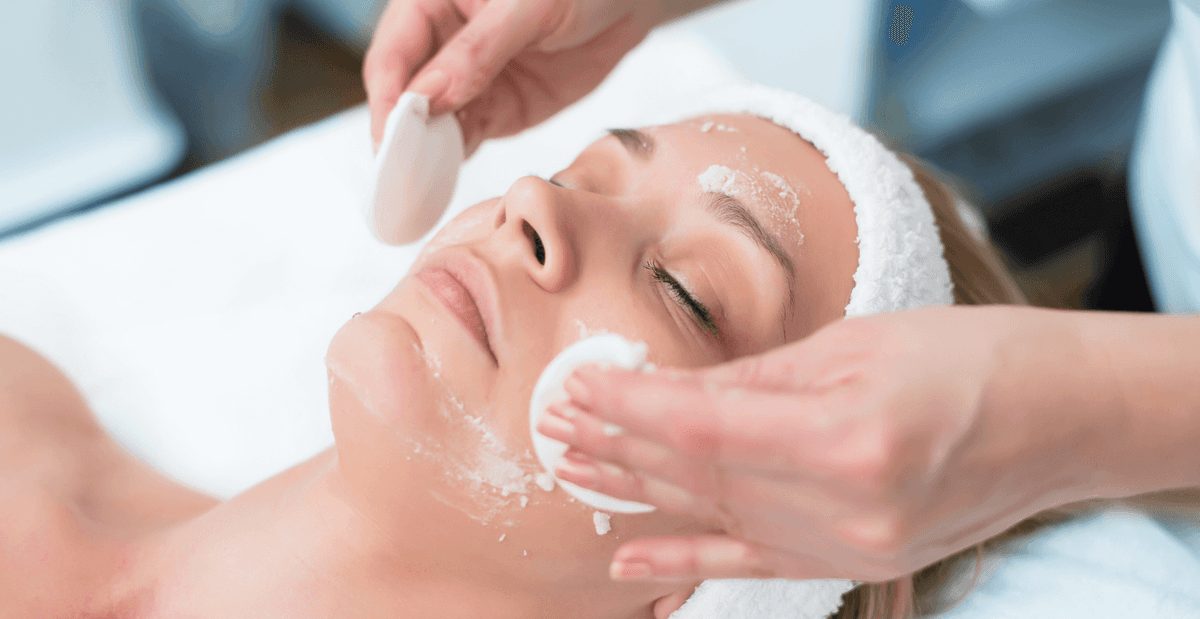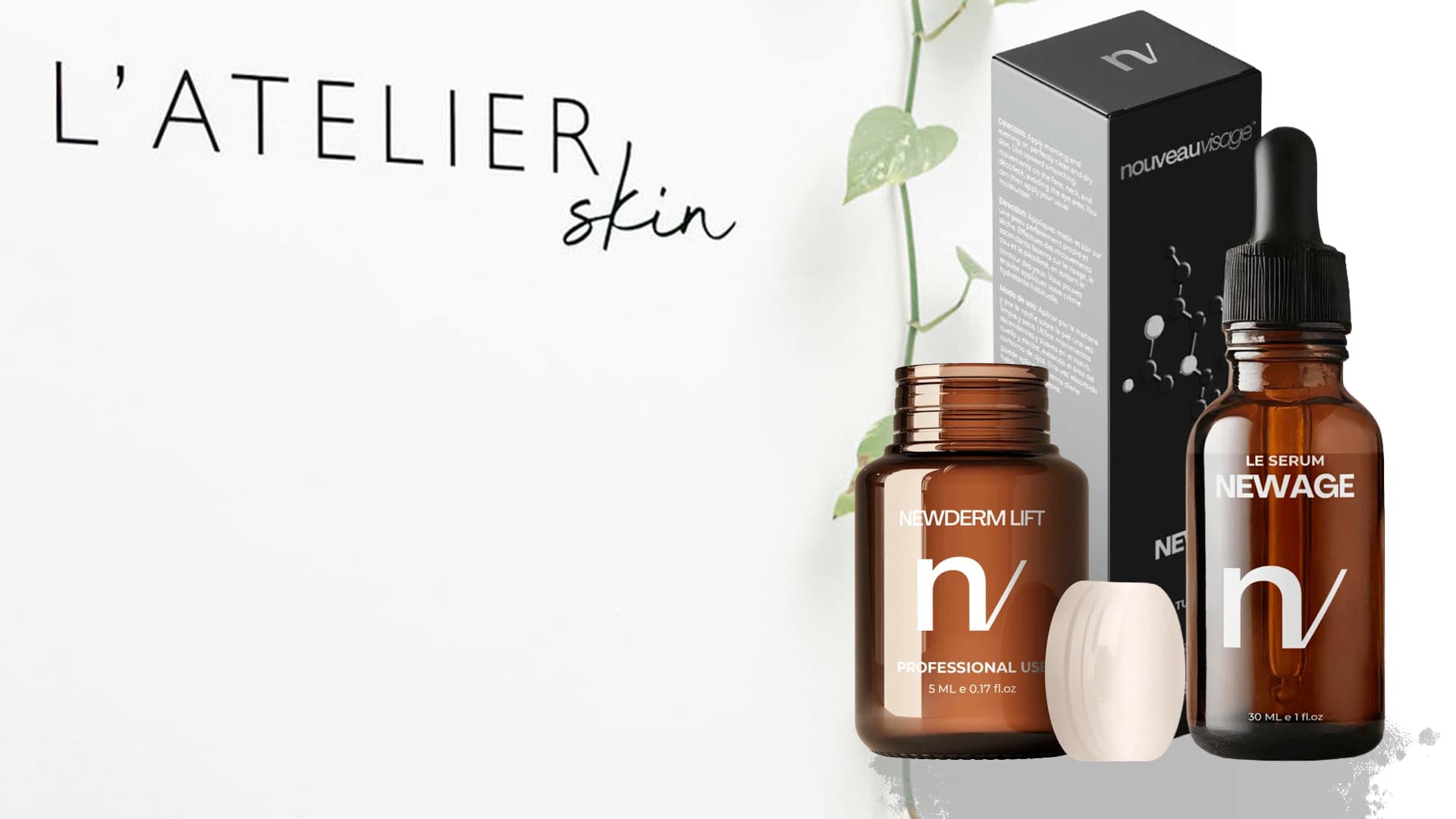
Exosome microneedling is a course of microneedling carried out with a regenerative serum applied to the skin at the same time. At L’Atelier Aesthetics it is offered as Regen3 Complex, which uses biomimetic exosome serums alongside SkinPen microneedling. Nothing is injected. The serum is applied to freshly microneedled skin, so more of it can reach below the surface than it would from a cream alone.
Anaesthetic | Numbing cream |
Treatment time | 45 to 60 minutes, including numbing |
Downtime | Mild redness for 24 to 48 hours |
Results | Skin feels smoother within days; collagen-led results build from four to six weeks |
Number of sessions | Four-session course, two weeks apart (around two months in total) |
Duration of results | Builds over the course and maintained between sessions with the take-home serum |
Delivered by | Emma, Kate or Bronte |
Priced from | £2,200 per course - which works out at £550 per session. Including serum |
Exosomes are tiny packets that cells release to send instructions to other cells. They are very small, in the region of 30 to 150 nanometres, and they carry proteins and genetic messengers that tell nearby cells what to do, including signals involved in repair and renewal. In skin treatments the aim is to use that signalling to encourage the skin to behave as though it is actively repairing itself.
Biomimetic means the exosomes in the serum are made in a laboratory to copy the signalling packets your own cells produce, rather than being extracted from human or animal tissue. This distinction matters. Some exosome products are derived from donor cells, often stem cells, which raises questions about sourcing and consistency. Biomimetic exosomes are designed to mimic the same signalling without using donor material, which is the approach used for a topical treatment applied during microneedling.
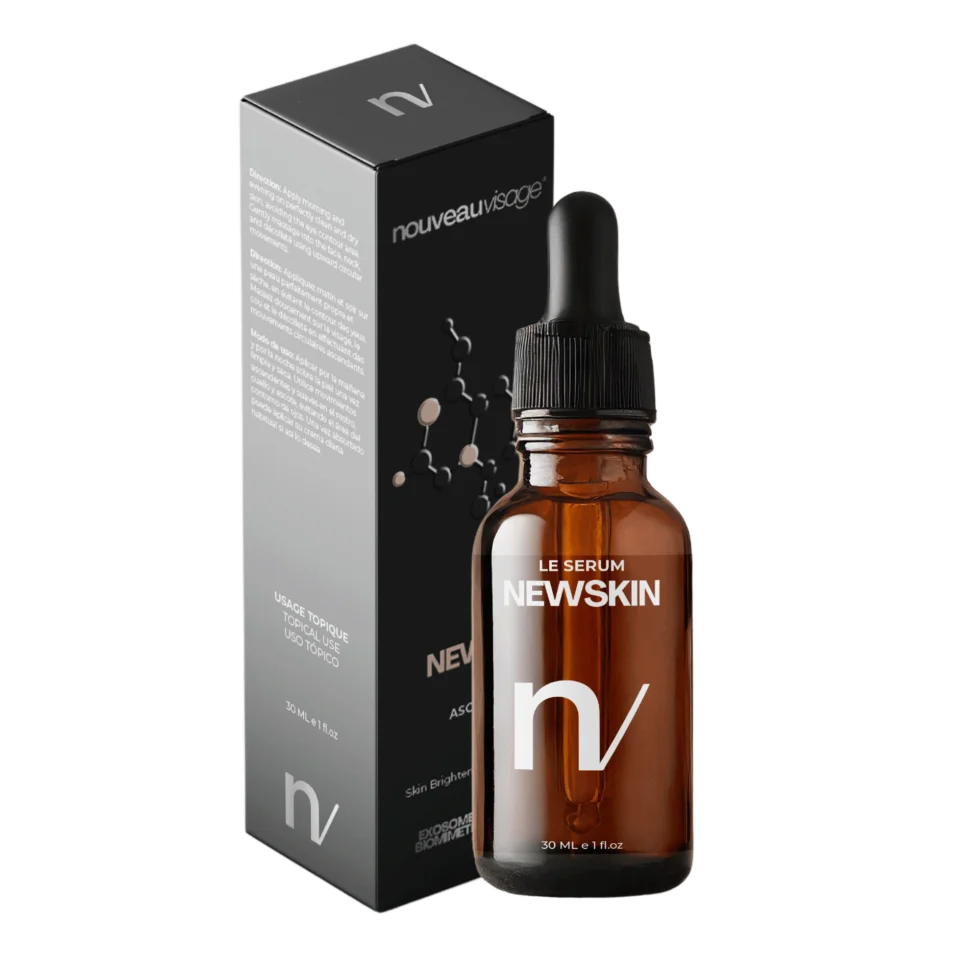
The Regen3 Complex serums, the Newderm range made by Nouveau Visage, are built on three groups of active ingredients, supported by hyaluronic acid for hydration. Each one supports the skin in a different way.
Treatment type | Topical regenerative serum applied during SkinPen microneedling (not injected) |
Main concerns | Skin quality, fine lines, dullness, uneven texture and early skin laxity |
Course | Four sessions, two weeks apart (around two months in total) |
Session time | About 45 to 60 minutes, including numbing |
Downtime | Typically 24 to 48 hours of mild redness |
Consultation | With Emma, Bronte or Kate |
Delivered by | Emma, Kate and Bronte |
First results | Skin feels smoother within days; collagen-led results build from four to six weeks |
Included in the course | Complimentary take-home serum between sessions and complimentary neck microneedling |
Regen3 Complex is aimed at skin quality rather than volume. It is well suited to fine lines, dull or tired-looking skin, uneven texture and tone, visible pores and the early signs of skin laxity. It is used mainly on the face, and the course includes the neck so the two areas are treated together for a more even result.
Every Regen3 Complex plan begins with a consultation with our expert team, who assesses your skin and confirms the right serum and the number of sessions. A skin assessment using observ skin device can be used to track the changes over the course. On the day of treatment, Emma, Kate or Bronte applies a numbing cream and then carries out the microneedling with the serum, which takes around 45 to 60 minutes. Afterwards your skin will look slightly red for a day or two, much like light sunburn, and you will be given simple aftercare advice to follow.
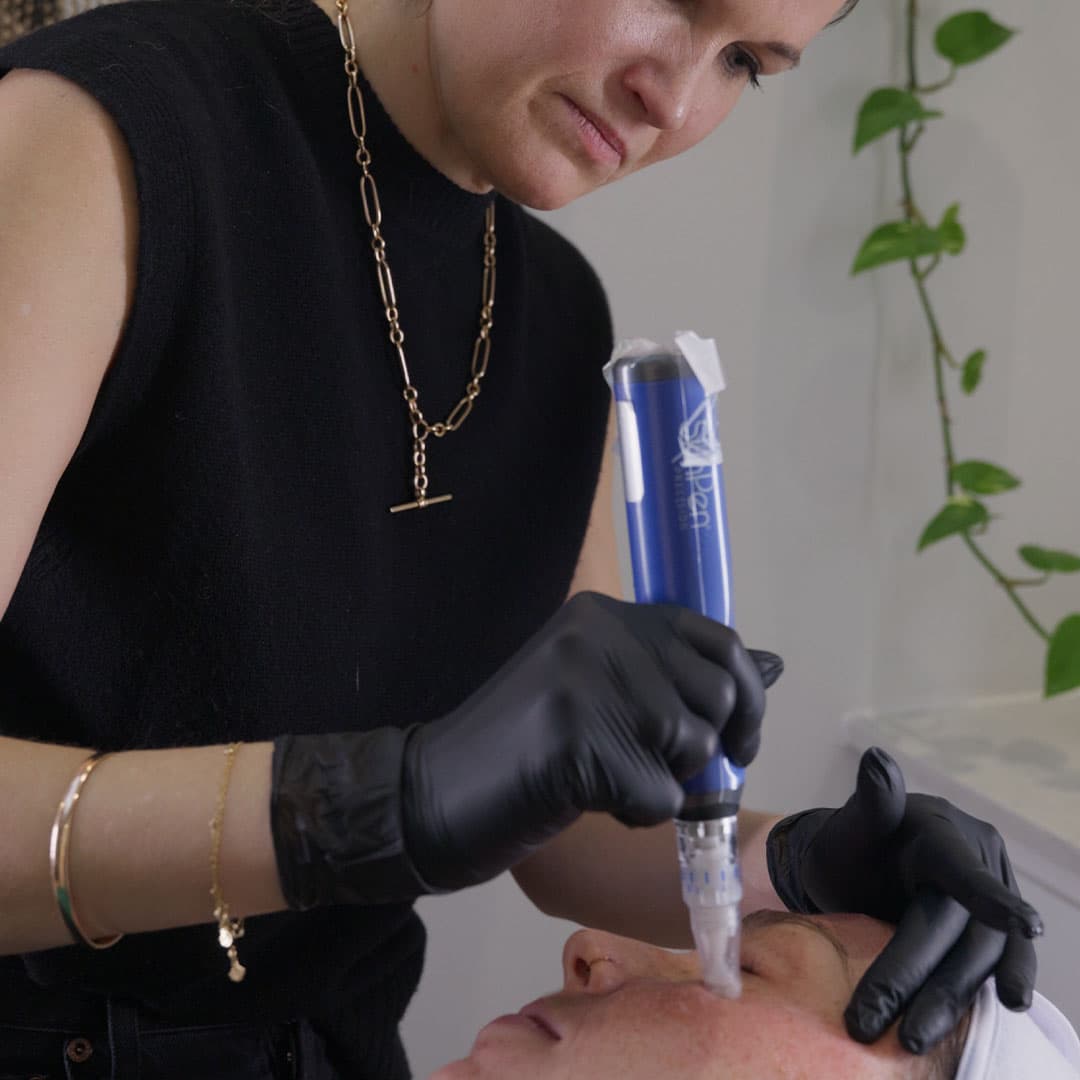
Standard microneedling relies on the skin’s own repair response alone. Exosome microneedling adds the regenerative serum during the same session, so alongside that repair response the skin also receives signalling ingredients chosen to support collagen and soothe the area. The table below sets out the practical difference.
| Standard microneedling | Exosome microneedling (Regen3 Complex) | |
| What is used | Microneedling on its own | Microneedling plus a biomimetic exosome serum |
| Main aim | Trigger the skin’s own repair | Repair response plus added signalling ingredients |
| Recovery | A day or two of mild redness | Often settles a little faster with the serum |
| Best suited to | General improvement in texture | Skin quality, dullness and early fine lines |
Patients often weigh exosome microneedling against injectable regenerative treatments. Polynucleotides are injected by our team and place the active ingredient deeper in the skin, which can suit fine crepey areas and the skin under the eyes. Exosome microneedling involves no injection and treats overall skin quality across the face with little downtime, so it tends to suit patients who would rather avoid needles into the deeper skin.
If the main concern is hydration and a loss of bounce, a skin booster such as Profhilo may be the better starting point. If there is genuine sagging rather than a change in skin quality, an energy-based treatment such as Sofwave usually gives a clearer lift than any serum can. Skin quality treatments and skin tightening treatments solve different problems, and the right choice depends on what you are trying to change. In some plans they are sequenced rather than chosen between, with skin quality addressed first and a tightening treatment added later if it is needed; Our team will set out the order at the consultation.
Skin often feels smoother and looks brighter within a few days of the first session. The collagen-led improvement in firmness and texture builds gradually from around four to six weeks and continues over the course. Exosome microneedling is offered as a four-session course spaced two weeks apart, so it runs over about two months, with the neck treated alongside the face and a take-home serum to maintain results between appointments. After Kate or Bronte carries out each session, which is what doctor-led means in practice. Current pricing is shown on our pricing page.
A full course is four sessions spaced two weeks apart, so the treatment runs over about two months. This spacing gives the skin time to respond between sessions while keeping the collagen-building process moving. The course includes a complimentary take-home serum to use between appointments, and complimentary neck microneedling so the neck is treated alongside the face.
The Regen3 Complex course is priced at £2,200 which includes the serum to take home, which works out at £550 per session.
Regen3 Complex uses the Newderm biomimetic exosome serums by Nouveau Visage. Each is built around the same exosome, polynucleotide and peptide base, with the formula tuned to a particular concern:
Our expert team will recommend which serum, or combination of serums, suits your skin at the consultation.

Regen3 Complex combines biomimetic exosome serums with SkinPen microneedling to improve skin quality with minimal downtime, delivered as a four-session course at L’Atelier Aesthetics on Harley Street. The best next step is to book a consultation with Emma, Kate or Bronte to confirm whether it suits your skin and which Newderm serum to use.

Regen3 Complex is a course of SkinPen microneedling carried out with a biomimetic exosome serum from Nouveau Visage that combines exosomes, polynucleotides and peptides. The microneedling creates fine channels in the surface of the skin while the serum is applied on top, so the two work together to stimulate collagen and elastin and improve overall skin quality.
No. With Regen3 Complex the serum is applied to the skin during microneedling rather than injected, and the exosomes are biomimetic, meaning they are made in a laboratory rather than taken from human or animal tissue. It is a topical treatment used alongside microneedling, not an injectable.
The standard course is four sessions spaced two weeks apart, so the treatment runs over about two months. Emma, Bronte or Kate confirms the right number for your skin at the consultation.
Most patients find Regen3 Complex comfortable. A numbing cream is applied before the microneedling, and because nothing is injected the sensation is limited to the microneedling itself, which feels like light pressure and vibration.
Downtime is usually mild. Expect 24 to 48 hours of redness similar to light sunburn, which the exosome serum tends to help settle more quickly than microneedling on its own.
Skin often feels smoother and looks brighter within a few days of the first session. The collagen-led improvement in firmness and texture builds gradually from around four to six weeks and continues over the course of the treatment.
Our microneedling package is available at £2,200 for 4 sessions (£550 per session), and includes:
The treatment protocol is 4 sessions spaced 2 weeks apart, completing your full course in about 2 months.
Regen3 Complex is not the right treatment for significant volume loss or pronounced sagging, which usually need an injectable or energy-based option. It is also not carried out on skin with an active infection or significant inflammation, and is generally deferred during pregnancy and breastfeeding. Suitability is assessed by Emma, Kate or Bronte at the consultation.
We welcome patients from across Marylebone, Mayfair, Fitzrovia, Regent’s Park, Soho, Knightsbridge, Belgravia, Chelsea and Kensington, as well as visitors travelling to London for specialist aesthetic and skin treatments. Our location benefits from excellent transport links, with Oxford Circus only a 13 minute walk away, Bond Street and Regent’s Park Underground stations are also both within easy reach. The clinic is also conveniently accessible from major London rail stations and Heathrow, Gatwick and London City airports thanks to the Elizabeth line, making visits straightforward for both UK and international patients.
Whether you are travelling from within London or further afield, our Harley Street clinic provides a calm, professional environment for personalised aesthetic and skin health treatments in one of the capital’s most respected medical locations.