By the team at L’Atelier Aesthetics, checked by Dr Duncan Brennand, Lead Aesthetic Doctor, 101 Harley Street
Silhouette Soft threads and dermal fillers are both used to address visible changes in the lower face, and patients frequently arrive at consultation asking which one is the right starting point. The two treatments work in fundamentally different ways and suit different presentations. The right answer depends not on which treatment is better in general, but on what is actually happening in the individual face.
At L’Atelier Aesthetics, 101 Harley Street, Dr Duncan Brennand approaches this as a clinical question rather than a treatment preference. This guide sets out how the two compare, who each is suited to, and what the honest recommendation looks like in practice.
For patients with specific volume loss in the cheeks, chin, lips or jawline, dermal filler is the more predictable and adjustable choice. For patients with mild to moderate skin laxity and softening along the jawline, Silhouette Soft threads can produce a meaningful physical lift.
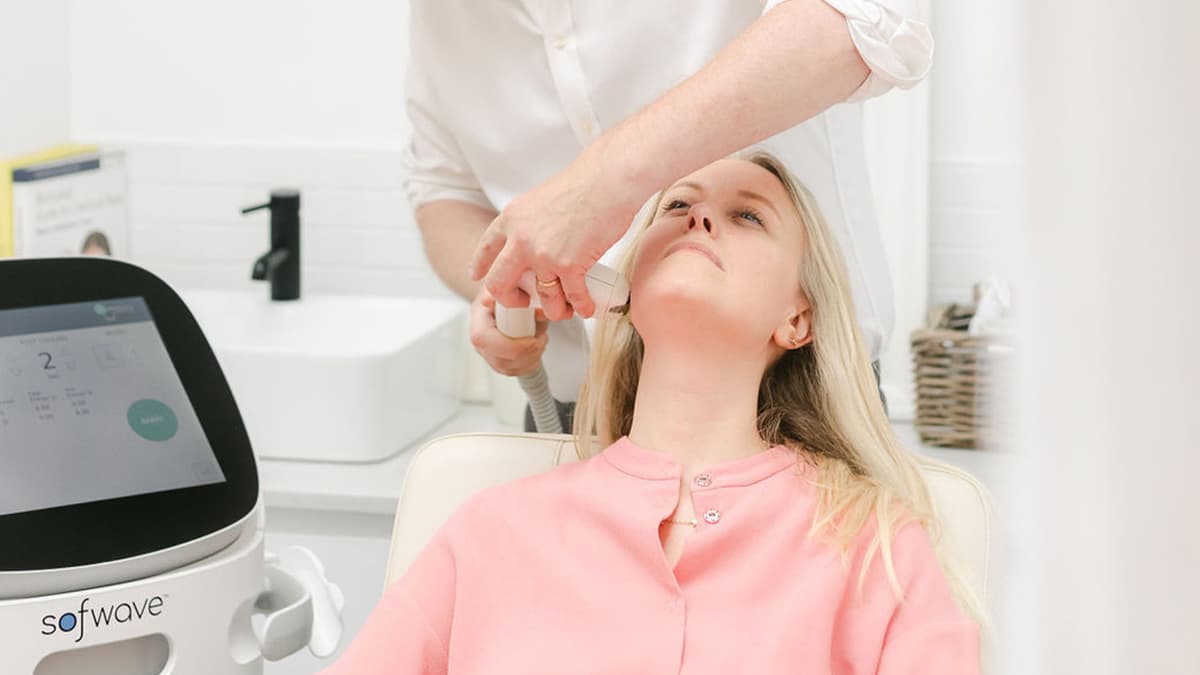
For most patients presenting with a combination of concerns, the more appropriate recommendation is an energy-based tightening treatment such as Sofwave or Morpheus8 alongside a conservative filler plan – rather than threads at all. Dr Brennand will make that assessment clearly at consultation.


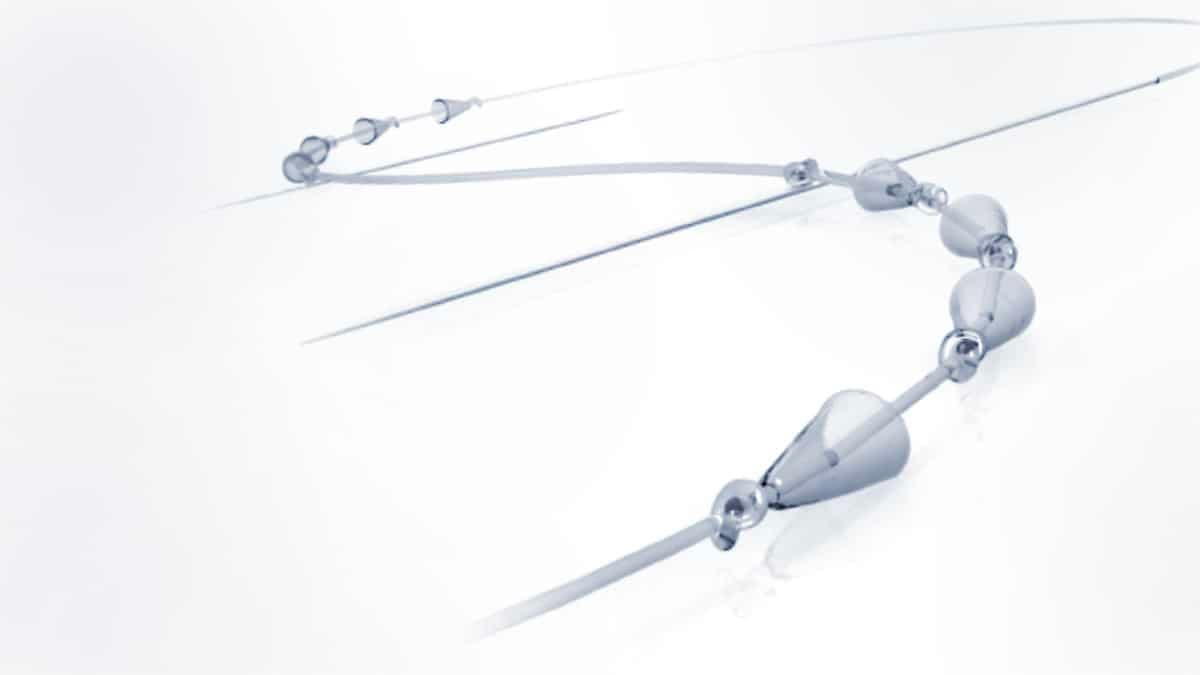
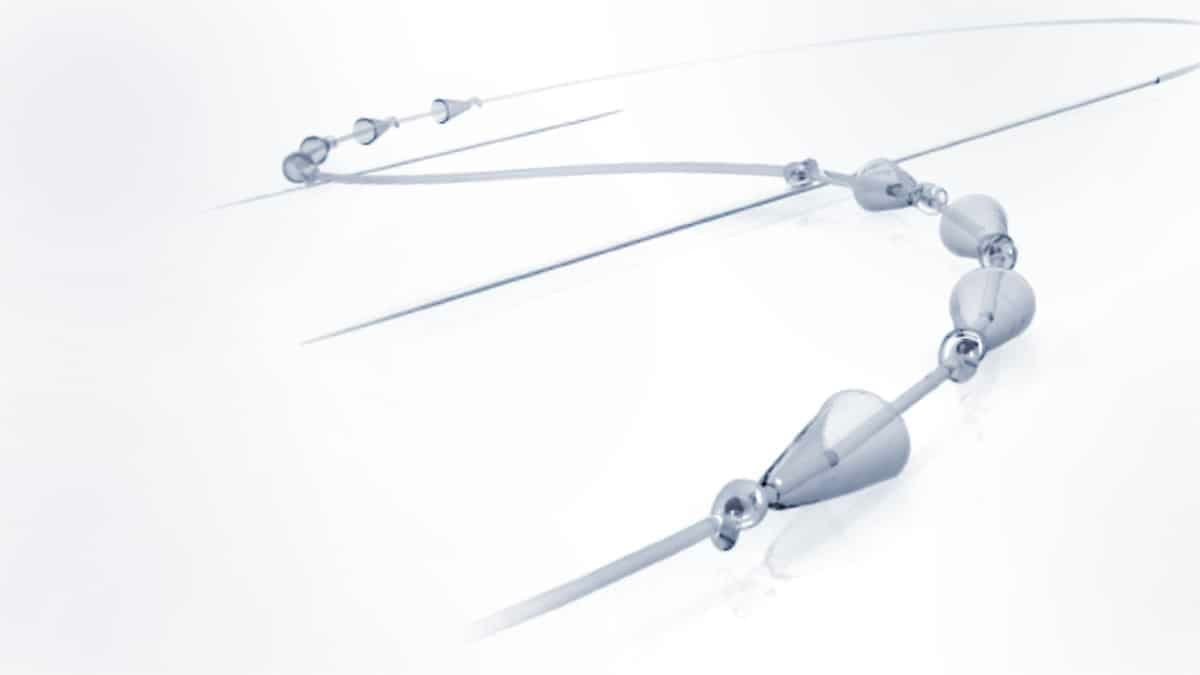
Silhouette Soft threads are fine, absorbable threads with small cones along their length. They are placed beneath the skin through a fine needle, and the cones anchor into the soft tissue. When the thread is tensioned, it physically repositions the tissue upward. Over the following 12 to 18 months the threads are absorbed by the body, and during that process they encourage new collagen formation along the thread path, producing a secondary gradual firming effect.
Dermal fillers are hyaluronic acid gels injected to restore volume to specific areas of the face. The gel sits in the tissue immediately after placement, holds water, and rebuilds the structural support that has reduced with age. Different filler formulations are suited to different areas, from deep support in the cheeks to fine refinement around the lips.
Silhouette Soft threads are suited to patients with mild to moderate jowling and softening along the jawline, where the primary concern is tissue position rather than volume loss. They suit patients who specifically want a physical lift, are comfortable with the procedure and recovery involved, and understand that the result cannot be reversed.
Dermal filler suits a broader range of patients. Specific hollows, deflated cheeks, a less-defined chin or jawline, thin lips and under-eye hollowing are all better addressed with filler than threads. Filler can also be dissolved quickly if needed – an important clinical safety advantage that threads do not offer.
Neither treatment is appropriate for:
Patients who are pregnant or breastfeeding
Patients with active skin infection in the treatment area
Patients with certain autoimmune conditions without specialist input
Reversibility is the most practically significant difference. Dermal filler can be dissolved within 24 hours if the patient is unhappy with the result or if a complication requires management. Silhouette Soft threads cannot be dissolved. They can be removed within the first few weeks if necessary, but that is a minor procedure rather than a simple injection. This makes considered planning essential.
Predictability is the other meaningful difference. Filler can be placed in small, adjustable amounts and refined over time. Threads represent a more definitive commitment on the day, with the final result partly dependent on how the tissue responds in the weeks that follow.In clinical practice at L’Atelier Aesthetics, a combination of filler and an energy-based tightening treatment consistently delivers a better outcome than threads alone for most patients with lower-face concerns, and reflects the broader picture across non-surgical facelift alternatives – which is why that tends to be the recommendation.
| Variable | Silhouette Soft | Dermal filler |
|---|---|---|
How it works | Physically lifts tissue and stimulates collagen over time | Adds volume directly where it is placed |
Immediate effect | Yes, from physical lift on the day | Yes, from gel placement |
Duration | 12 to 18 months | 12 to 18 months |
Reversible | No | Yes, can be dissolved |
Silhouette Soft: A visible lift is apparent from the day of treatment. Bruising and mild swelling typically resolve over three to five days. The secondary collagen response builds over three to four months. The full result lasts 12 to 18 months, softening gradually thereafter.
Dermal filler: Results are visible immediately, with swelling settling over 24 to 48 hours. Most fillers last 12 to 18 months depending on the product, the area and the individual. Lower-face and lip filler tends to break down more quickly than cheek filler.
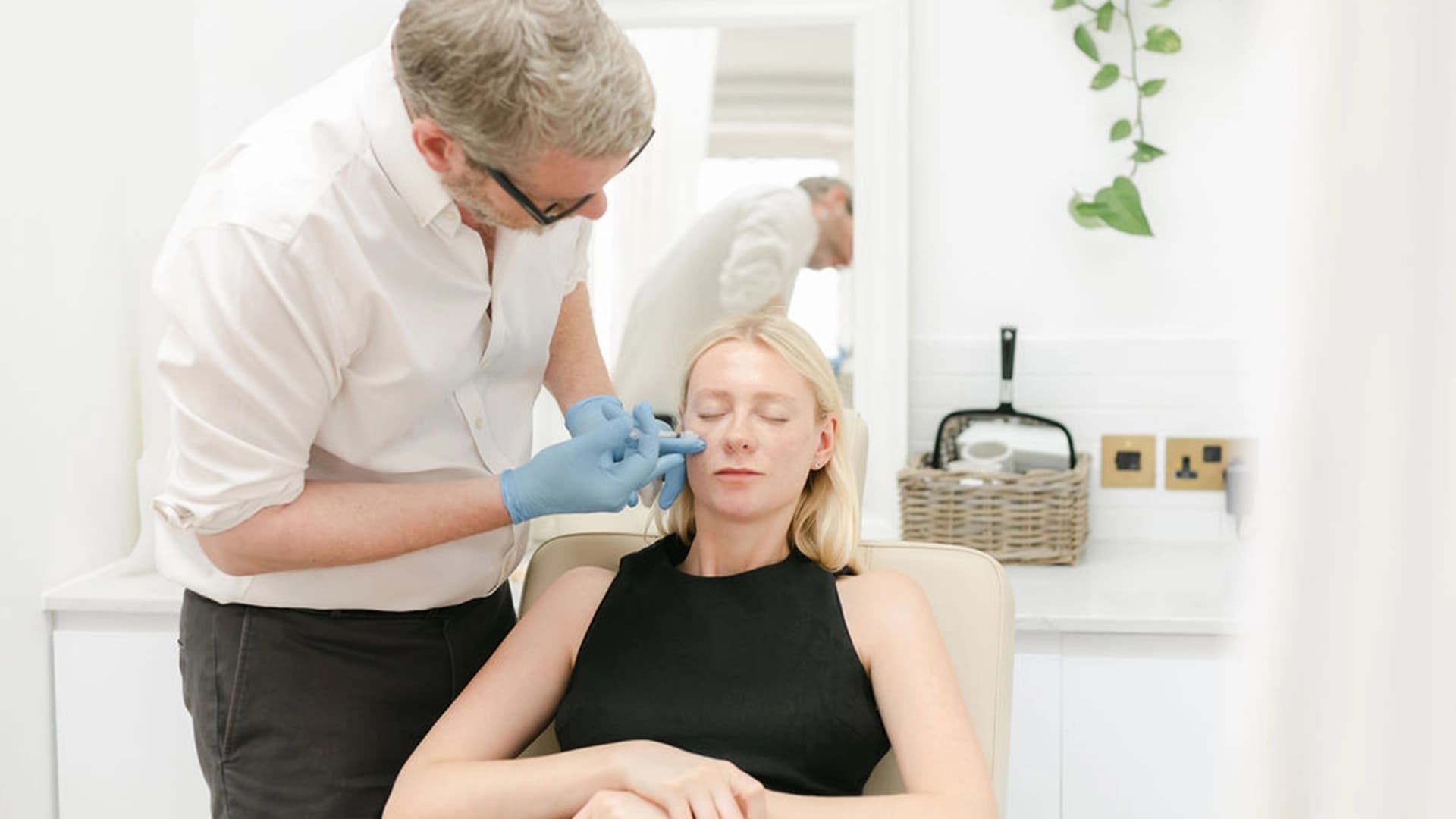
“My starting position is usually filler combined with an energy-based treatment, not threads. That combination gives a predictable, reversible and adjustable result. Threads have a place for patients who specifically want a physical lift and understand the trade-off on reversibility, and we can offer them where that is the right clinical answer. For most patients, the conversation starts with Sofwave or Morpheus8 alongside a modest filler plan, and that is usually where we land.”
Dr Duncan Brennand, Lead Aesthetic Doctor, L’Atelier Aesthetics
At L’Atelier Aesthetics, both dermal filler and Silhouette Soft thread procedures are performed personally by Dr Brennand when recommended. Injectable and thread work is not delegated.
L’Atelier Aesthetics is a doctor-led clinic at 101 Harley Street, London. Every treatment decision begins with a clinical consultation with Dr Duncan Brennand, who assesses the presenting concern and recommends the most appropriate approach – which may be threads, filler, an energy-based treatment or a combination.
Dr Brennand is a GMC-registered aesthetic doctor with over a decade of experience on Harley Street. His GMC reference number is 4341662, verifiable on the GMC medical register.
The clinic is at 101 Harley Street, London W1G 6AH, a short walk from Bond Street, Oxford Circus and Regent’s Park underground stations.
Neither is universally better. Silhouette Soft threads suit mild to moderate jawline laxity where a physical lift is wanted. Filler is better for specific volume loss. For most patients, a combination of filler and an energy-based tightening treatment is what Dr Brennand recommends.
The procedure is carried out under local anaesthetic and is well tolerated. Some pressure is felt during placement and tensioning. Bruising and swelling for three to five days afterwards is common, and a mild ache can persist for about a week.
Yes. Hyaluronic acid filler can be dissolved quickly if a patient is unhappy with the result or if a complication needs to be managed. Silhouette Soft threads cannot be dissolved.
Typically 12 to 18 months. The physical lift is visible from day one, and the secondary firming effect from collagen production builds over three to four months as the threads are absorbed.
Yes. When threads are the right choice, they are often combined with filler to restore volume alongside the physical lift. Dr Brennand will plan the sequence at consultation, typically doing one before the other rather than both in the same session.
Not as a default. For jowling, our usual recommendation is energy-based tightening with Sofwave or Morpheus8, with small amounts of filler to refine the result. Silhouette Soft threads have a role in specific cases but are not the routine answer for jowling.
We welcome patients from across Marylebone, Mayfair, Fitzrovia, Regent’s Park, Soho, Knightsbridge, Belgravia, Chelsea and Kensington, as well as visitors travelling to London for specialist aesthetic and skin treatments. Our location benefits from excellent transport links, with Oxford Circus only a 13 minute walk away, Bond Street and Regent’s Park Underground stations are also both within easy reach. The clinic is also conveniently accessible from major London rail stations and Heathrow, Gatwick and London City airports thanks to the Elizabeth line, making visits straightforward for both UK and international patients.
Whether you are travelling from within London or further afield, our Harley Street clinic provides a calm, professional environment for personalised aesthetic and skin health treatments in one of the capital’s most respected medical locations.