By the team at L’Atelier Aesthetics, checked by Dr Duncan Brennand, Lead Aesthetic Doctor, 101 Harley Street
The patients who come to L’Atelier Aesthetics asking about a facelift are, in most cases, not yet at the point where surgery is the right answer. What they are describing is something more specific: a face that looks more tired than they feel, a jawline that has lost its definition, a general softening that has appeared gradually over the past few years — which is often where the best skin tightening treatments on Harley Street come in as a non-surgical alternative.
There are non-surgical treatments that address this effectively. They work in different ways, suit different concerns, and produce their best results when planned in the right combination, including how Silhouette Soft vs dermal fillers compare for lifting and firming. Below is Dr Duncan Brennand’s honest ranking of the five treatments used most often at the clinic for lifting and firming – where each one fits, and when a combination is more appropriate than any single option.
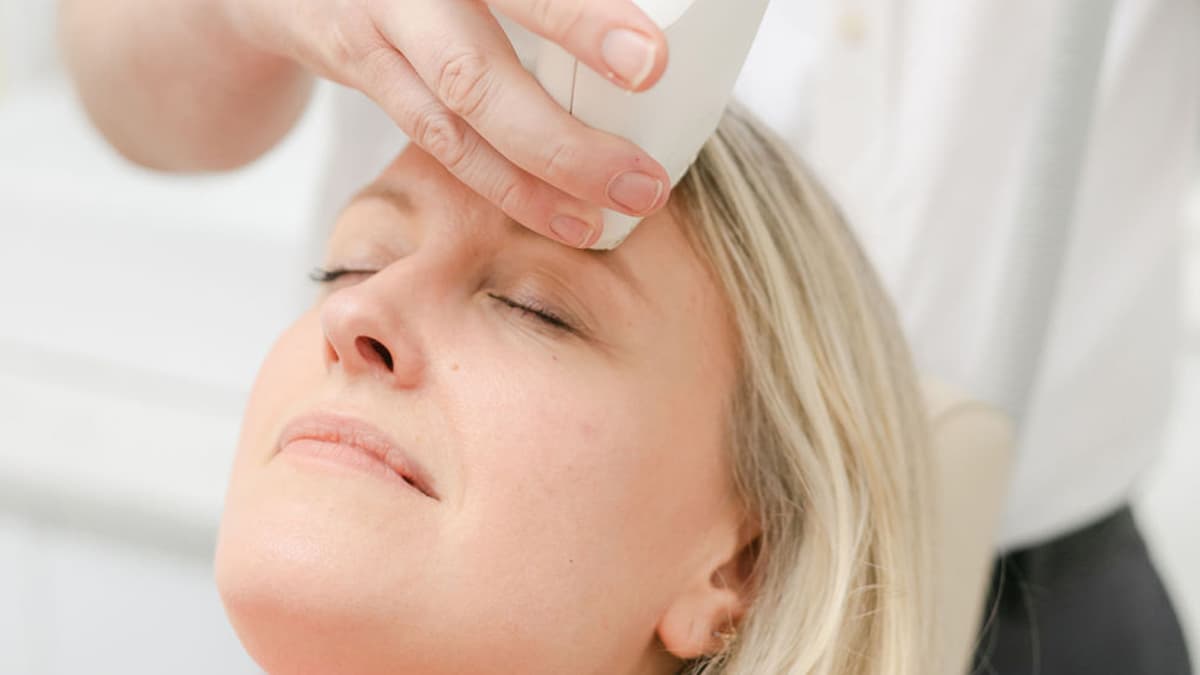
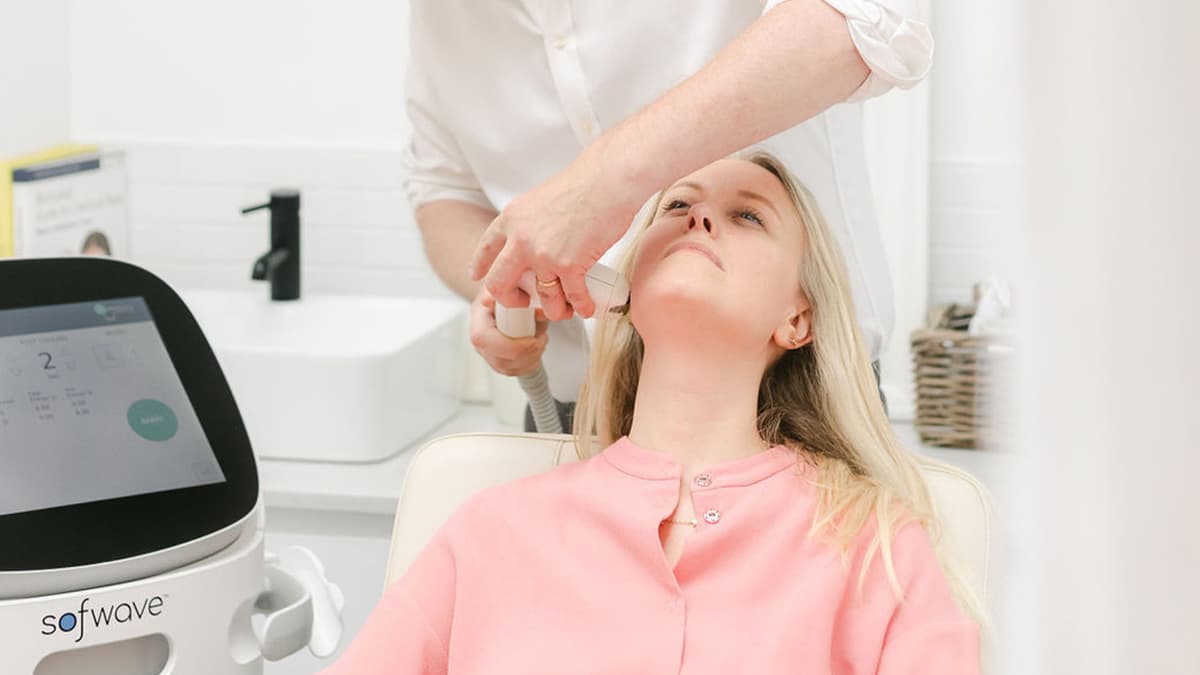
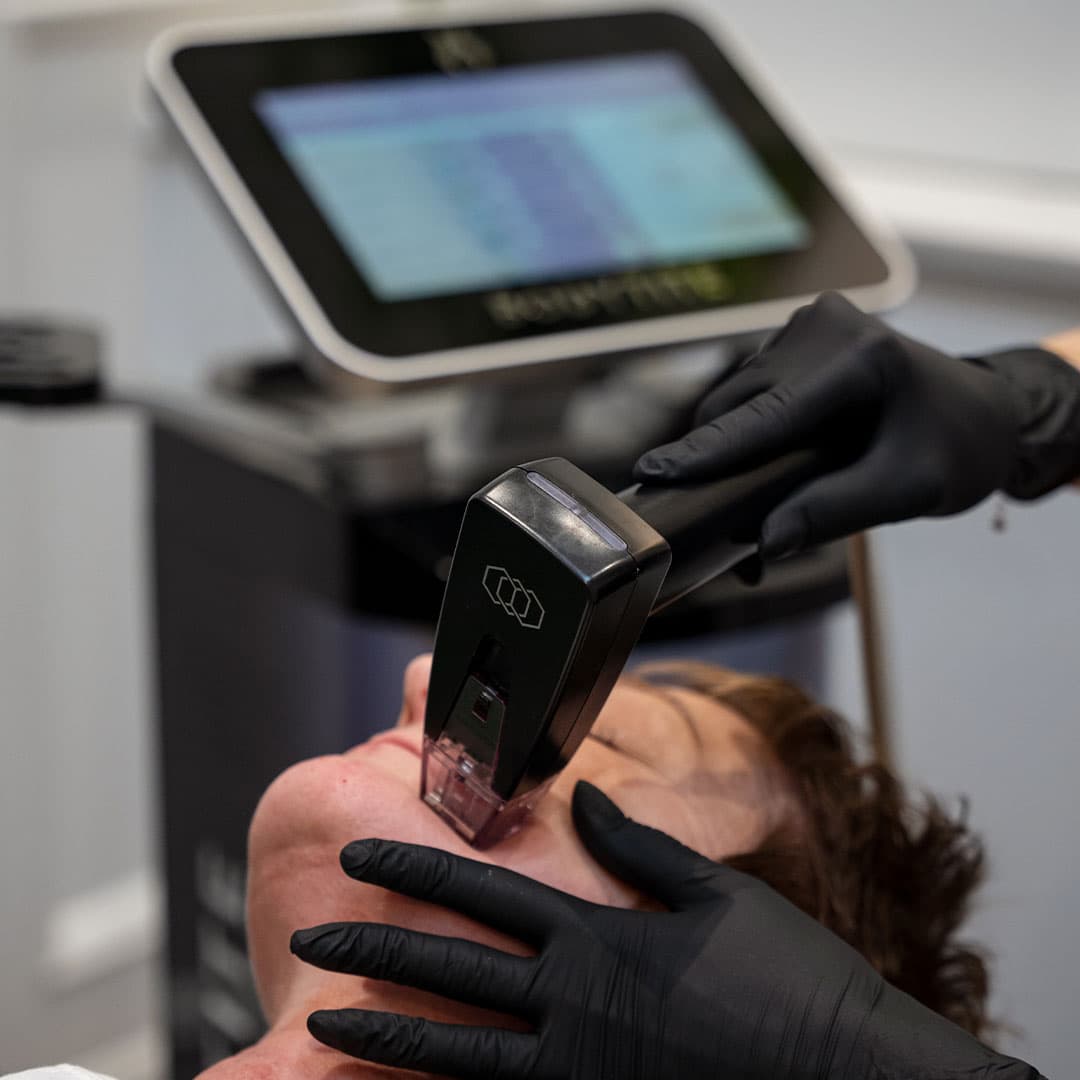
For most patients with early laxity and softening along the lower face, Sofwave is the first-choice single treatment. It involves no downtime and produces a firming result over three months. For patients with more advanced laxity, a combination of Sofwave and Julaine, or Morpheus8 and Julaine, is typically what the face requires to achieve a complete result.
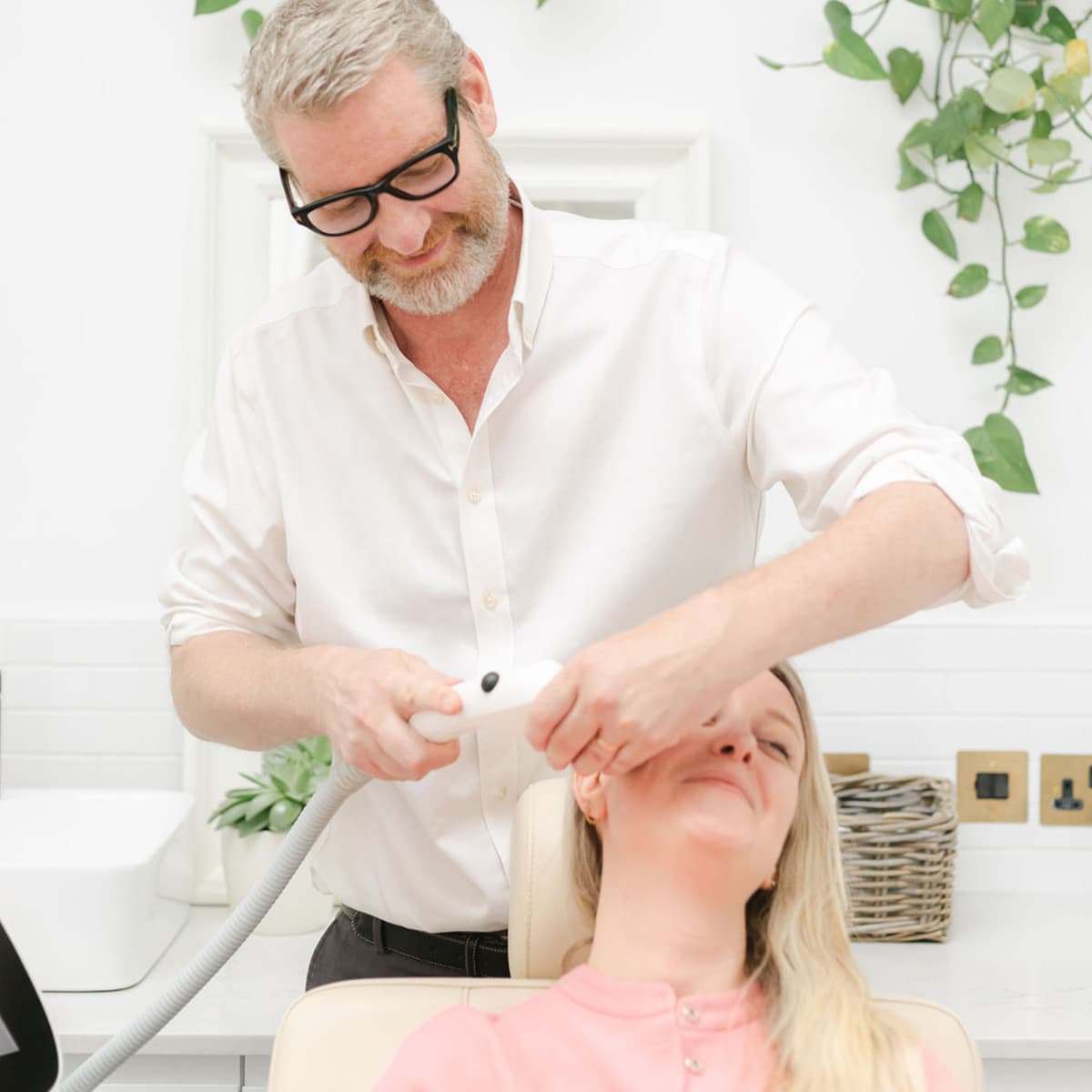
A surgical facelift physically repositions and removes tissue. Non-surgical treatments cannot replicate that. What they can do is stimulate new collagen formation, tighten existing collagen through carefully applied energy, and restore volume where it has been lost with age. The combination of these effects produces a meaningful visual improvement in patients with early to moderate laxity – because much of what presents as sagging is tissue that has thinned and lost structural support over time.
None of these treatments will achieve what surgery can for a patient with significant laxity. That is an important and honest distinction. Non-surgical options occupy the space between good skincare and surgery, which is where most patients in their late thirties, forties and early fifties sit.
Non-surgical lifting is most appropriate for patients with early to moderate laxity, early jowling, softening along the jawline, a less defined neck contour or reduced cheek projection. The skin needs sufficient resilience to respond to treatment, which is generally present up to the mid-fifties. Beyond that point, non-surgical treatments remain useful but are often better positioned as maintenance alongside surgical planning rather than as a standalone alternative.
Patients who are better served by surgery are those with significant excess skin, structural jowling that cannot be meaningfully addressed with energy or injectable treatments, and deep folds that volume alone will not resolve. Dr Brennand will make that assessment clearly at consultation rather than recommending a non-surgical plan that is unlikely to meet the patient’s expectations.
| Rank | Treatment | How it lifts | Sessions | Downtime |
|---|---|---|---|---|
| 1 | Sofwave | Focused sound energy firms and lifts over three months with no needles | 1 session | None |
| 2 | Morpheus8 | Firms the skin and improves texture, leaving patients looking more rested | 3 sessions, 6 weeks apart | 24 to 48 hours of redness |
| 3 | Julaine | Encourages the skin to rebuild its own firmness, softening early jowling and the lower face | 1 to 2 treatments | Minimal |
| 4 | Profhilo | Improves overall skin quality and hydration, making other lifting treatments work better | 2 sessions, 4 weeks apart | Minimal |
| 5 | Dermal filler | Restores lost volume in the cheeks, jawline and chin to recreate structure | As needed at consultation | Minimal |
“The ranking is not a league table. It is a reflection of where each treatment fits. Sofwave leads because in 2026 it has the strongest evidence and the most straightforward patient experience for a single-session lift. Morpheus8 is second because of the textural benefit it adds alongside the firming. Julaine is third because it does the slower, structural work that makes the other treatments look better over time. The answer for almost every real patient is a combination – not a single treatment.”
Dr Duncan Brennand, Lead Aesthetic Doctor, L’Atelier Aesthetics
At L’Atelier Aesthetics, every injectable on this list is delivered personally by Dr Brennand. Sofwave and Morpheus8 are delivered by the clinical team – Emma, Kate and Bronte – following Dr Brennand’s consultation and under his clinical lead.
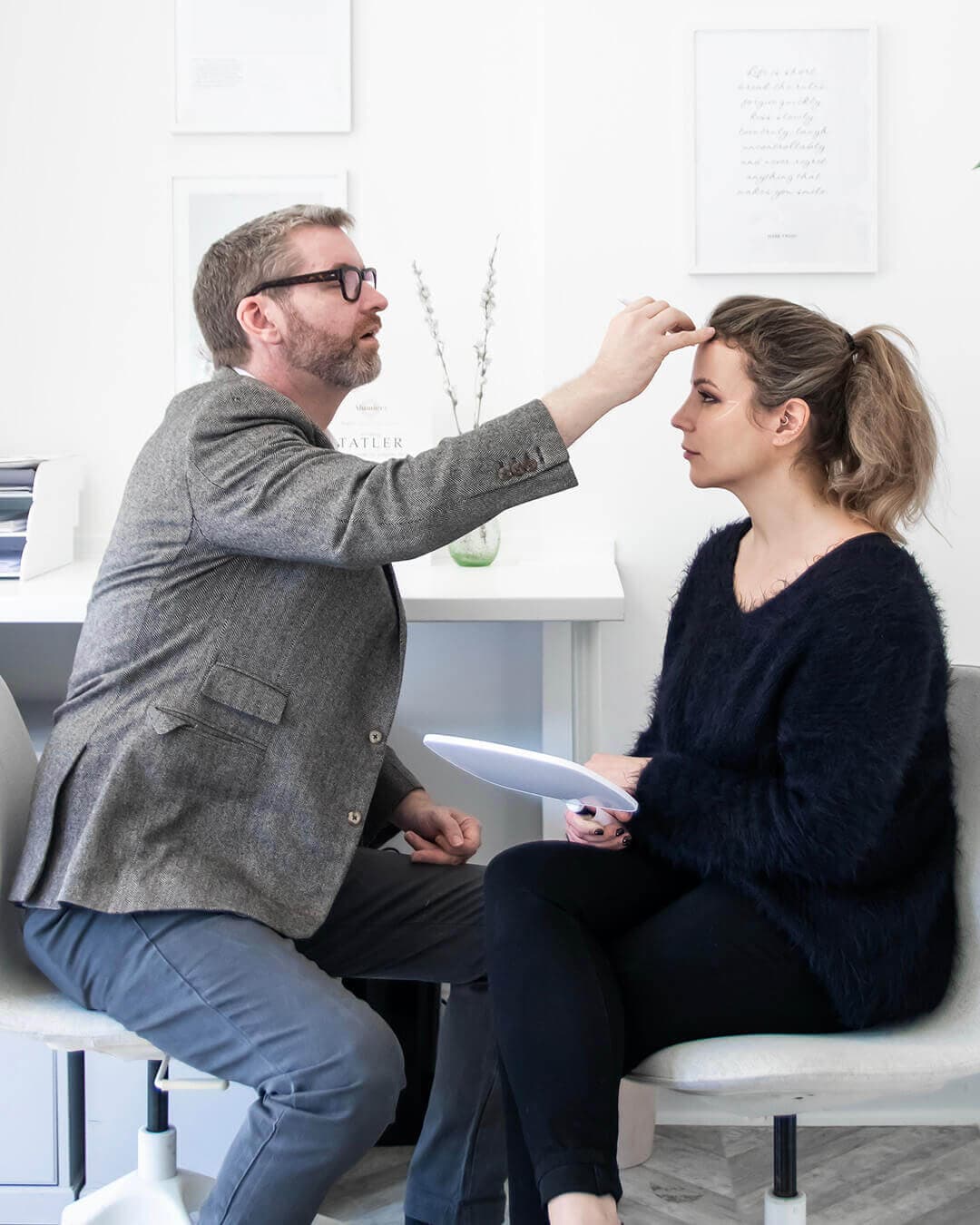
L’Atelier Aesthetics is a doctor-led clinic at 101 Harley Street, London. Every non-surgical lifting plan begins with a clinical consultation with Dr Duncan Brennand, who assesses the degree of laxity present, identifies the primary concern and designs a treatment sequence appropriate for the individual patient. Where surgery is the more appropriate answer, he will say so.
Dr Brennand is a GMC-registered aesthetic doctor with over a decade of experience on Harley Street. His GMC reference number is 4341662, verifiable on the GMC medical register.
The clinic is at 101 Harley Street, London W1G 6AH, within easy walking distance of Bond Street, Oxford Circus and Regent’s Park underground stations.

For most patients in 2026, Sofwave is our first-choice single-treatment non-surgical lift. For patients with more advanced laxity or textural concerns, a combination of Sofwave or Morpheus8 with Julaine tends to produce the most complete result.
Sofwave is usually described as warm rather than painful. Morpheus8 is more intense and requires a numbing cream applied for 30 to 45 minutes beforehand. Injectables are done with fine needles and are generally well tolerated.
Sofwave, Morpheus8 and Julaine all typically last 12 to 18 months. Most patients return for a maintenance session annually to keep the result in place.
For patients with early to moderate laxity, a non-surgical plan can produce a genuinely lifted result without surgery. For patients with significant excess skin or deeper structural laxity, non-surgical work improves but does not replace what surgery can achieve. Dr Brennand will be direct about this at consultation.
Non-surgical lifting is not performed during pregnancy or breastfeeding, in patients with active skin infection in the treatment area, or in patients with certain implanted electronic devices where radiofrequency-based treatments are involved. Patients with severe laxity are better served by a surgical referral.
Yes. Most non-surgical lifting plans combine a tightening treatment, a collagen stimulator and occasionally a filler, sequenced across three to six months. Dr Brennand draws up the exact sequence at consultation.
We welcome patients from across Marylebone, Mayfair, Fitzrovia, Regent’s Park, Soho, Knightsbridge, Belgravia, Chelsea and Kensington, as well as visitors travelling to London for specialist aesthetic and skin treatments. Our location benefits from excellent transport links, with Oxford Circus only a 13 minute walk away, Bond Street and Regent’s Park Underground stations are also both within easy reach. The clinic is also conveniently accessible from major London rail stations and Heathrow, Gatwick and London City airports thanks to the Elizabeth line, making visits straightforward for both UK and international patients.
Whether you are travelling from within London or further afield, our Harley Street clinic provides a calm, professional environment for personalised aesthetic and skin health treatments in one of the capital’s most respected medical locations.