
Polynucleotides can improve fine lines and crepey under-eye skin, but not every dark circle. Dr Duncan Brennand explains which concerns they suit and when another approach works better.
Polynucleotides can help some under-eye concerns, particularly fine lines, crepey texture and thin, tired-looking skin. They are not the answer to every under-eye concern, though. Hollowness, puffy bags and some types of dark circles usually need a different approach, which is why the most important step is understanding what is causing the change in the first place.
At L’Atelier Aesthetics on Harley Street, under-eye treatment always begins with an assessment. This guide explains how we tell the common under-eye concerns apart, when polynucleotides may be considered, when something else may suit you better, and how treatment is planned.
Most under-eye concerns fall into one of five groups, and many people have more than one at the same time.
| Concern | What you may notice | What is usually behind it |
|---|---|---|
| Fine lines | Creasing that shows when you smile or under make-up | Thinning skin and reduced elasticity |
| Skin quality | Crepey, dull or thin-looking skin | Changes in the skin’s structure, hydration and repair |
| Pigmentation | Brown or grey-toned shadows that do not change with lighting | Extra pigment in the skin, often genetic |
| Hollowness | A sunken groove between the lower eyelid and cheek | Loss of volume and support beneath the skin |
| Bags | Puffiness or a bulge beneath the lower eyelid | Fat pads pushing forward as supporting tissue weakens |
Some dark circles are caused by thin skin allowing blood vessels to show through, giving a bluish or purple tone. Others come from shadowing, where hollowness or bags create a darker area. Identifying which of these applies to you is the key to choosing the right treatment.
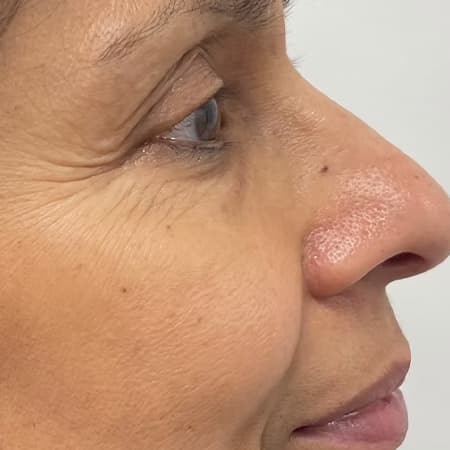
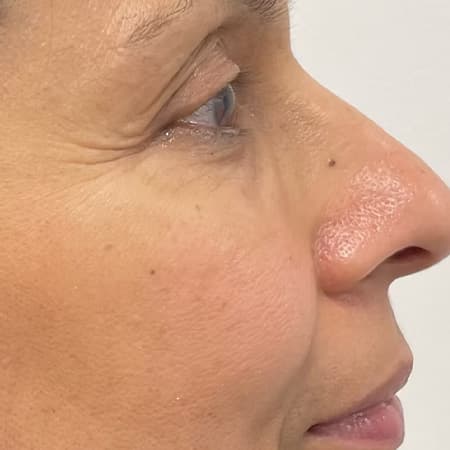
Polynucleotides are usually considered when the main under-eye concern is skin quality, such as fine lines, crepey texture or thin skin.
Polynucleotides are regenerative injectables that work by supporting the skin’s own repair processes. Rather than adding volume, they aim to improve the quality of the skin itself, so the under-eye area can look smoother, firmer and more rested over time. Where dark circles are partly caused by thin skin showing the vessels beneath, improving skin thickness and quality may also help soften their appearance.
Because the under-eye skin is delicate, careful technique and placement matter as much as the product. Results develop gradually rather than overnight, which tends to suit patients who would like a natural, refreshed look rather than a dramatic change.
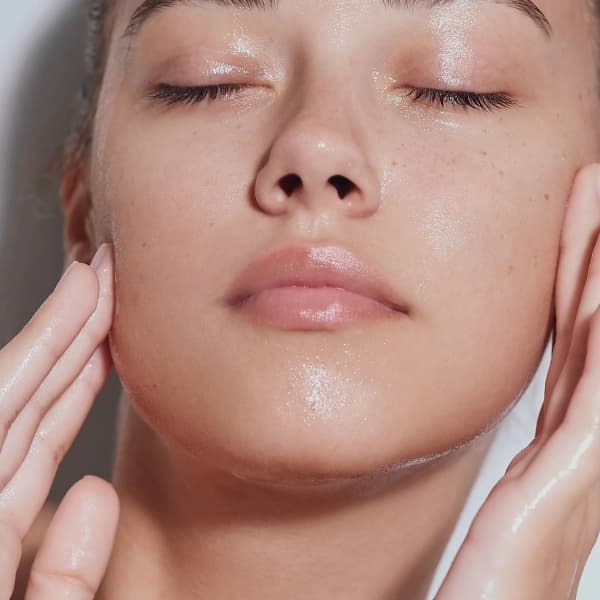
Hollowness, under-eye bags and pigmentation-led dark circles usually need a different or combined approach, because polynucleotides do not add volume, remove fat or clear pigment.
Being clear about these limits is part of a good consultation. If polynucleotides are unlikely to give you the result you want, we will tell you and explain the alternatives. You can also read more about dark circles and sunken eyes on our concern pages.
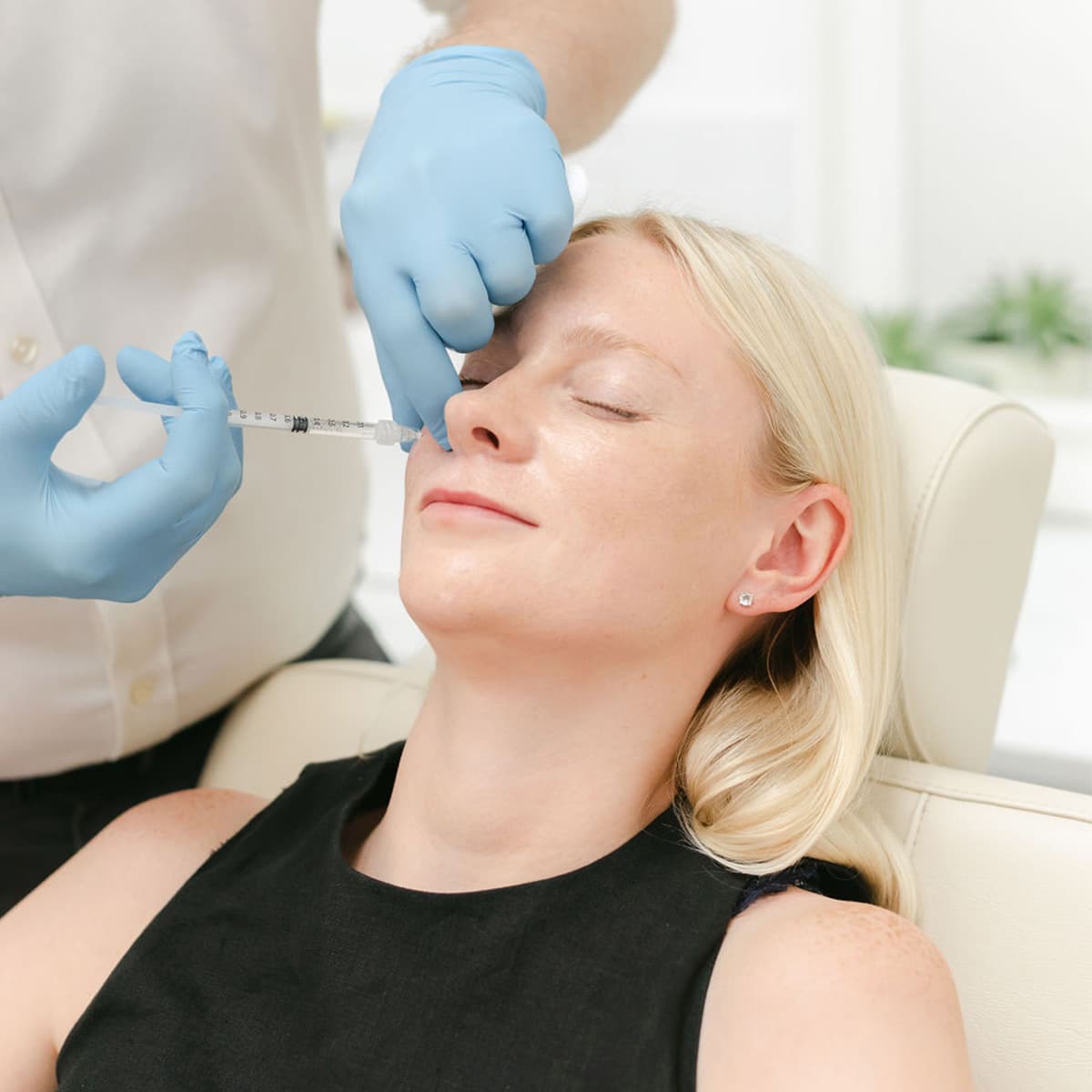
Your under-eye assessment looks at the skin, the structure beneath it and your goals, so the plan is built around what is causing your concern.
At your consultation, Dr Brennand will ask what bothers you most about your under eyes and how long it has been present. He will then assess your skin quality and thickness, the depth of any hollowing, whether there is puffiness or bags, and whether pigmentation or visible vessels play a part. Looking at the area in different lighting and from different angles helps to separate shadowing from true colour change.
We will also review your medical history, any allergies, previous treatments and your plans over the coming weeks. Where helpful, skin imaging and clinical assessment can support decisions and track your progress. At the end, you will have a clear explanation of what is causing your concern and the options that suit it.
At L’Atelier, polynucleotides are usually recommended as a course of two sessions, spaced around three to four weeks apart.
Each appointment takes around 30 to 45 minutes, including preparation. The first session begins the skin’s repair response, and the second builds on it. Because polynucleotides work gradually, there is no sudden change straight after treatment. Improvement develops over the following weeks as the skin responds.
Your practitioner will review your progress after your course and advise whether any further sessions or maintenance treatments would be helpful. Some patients with more pronounced skin quality concerns may benefit from additional sessions, and this is agreed with you rather than assumed. For more general information, see our polynucleotides treatment page and our guide to Profhilo skin boosters vs polynucleotides.

Before booking, it helps to think about whether your concern suits polynucleotides, what result you are hoping for and how the course fits around your plans.
No. Tear-trough filler uses a gel to restore volume and support in a hollow area, while polynucleotides work on the quality of the skin itself and do not add volume. They suit different concerns: filler may be considered for hollowness, polynucleotides for fine lines, crepey texture and thin skin. In some cases, the two are used together, with your practitioner advising on the order and timing.
Not on their own. Because polynucleotides do not add volume, they cannot fill a sunken tear trough. They may improve the appearance of the skin over a hollow area, which can help it look less tired. Where hollowness is the main concern, your practitioner may discuss dermal filler, if you are suitable, or a combination of treatments.
No. Polynucleotides may help soften dark circles caused by thin skin showing the vessels beneath. They are less likely to help dark circles caused mainly by pigmentation, or shadows created by hollowness or bags. An assessment helps identify what is behind your dark circles, so you can choose a treatment that targets the right cause.
Your course depends on your skin quality, the concern being treated and how your skin responds. At L’Atelier, most patients are advised to have two sessions spaced around three to four weeks apart. Your practitioner will review your progress afterwards and advise whether further sessions or maintenance treatments would be helpful.
The right under-eye treatment depends on what is causing your concern. Polynucleotides can be a valuable option for fine lines, crepey texture and thin skin, and where another approach would serve you better, we will say so.
We welcome patients from across Marylebone, Mayfair, Fitzrovia, Regent’s Park, Soho, Knightsbridge, Belgravia, Chelsea and Kensington, as well as visitors travelling to London for specialist aesthetic and skin treatments. Our location benefits from excellent transport links, with Oxford Circus only a 13 minute walk away, Bond Street and Regent’s Park Underground stations are also both within easy reach. The clinic is also conveniently accessible from major London rail stations and Heathrow, Gatwick and London City airports thanks to the Elizabeth line, making visits straightforward for both UK and international patients.
Whether you are travelling from within London or further afield, our Harley Street clinic provides a calm, professional environment for personalised aesthetic and skin health treatments in one of the capital’s most respected medical locations.