
If you’ve started comparing polynucleotide injection prices, you’ve probably noticed they vary considerably between clinics. The same treatment may be quoted at very different prices, making it difficult to know whether you’re comparing like for like. Understanding what influences the cost helps explain why those differences exist and why the cheapest option is not always the best value.
You may also have seen these treatments referred to as salmon sperm injections. While that nickname has become popular online, the clinical term is polynucleotide injections. They refer to the same regenerative treatment.
Polynucleotide injections are regenerative skin treatments designed to improve skin quality by supporting your skin’s natural repair processes. They use highly purified polynucleotide chains to stimulate tissue repair, improve hydration and encourage collagen production over time.
Unlike dermal fillers, polynucleotides are not designed to restore volume or change facial contours. Instead, they improve the condition of the skin itself, making them a popular option for concerns such as thin under-eye skin, fine lines and reduced skin quality.
This article focuses on the factors that influence the cost of treatment.
Several factors determine the overall cost of treatment. Looking at the headline price alone rarely tells the full story.
| Factor | Details |
|---|---|
| Product and formulation | Different polynucleotide products are manufactured using different purification processes and formulations. As a result, treatment costs can vary between clinics depending on the product they use. |
| Number of vials | The amount of product required has one of the biggest influences on price. Some patients need a single vial, while others require multiple vials depending on the treatment area and the desired outcome. |
| Treatment area | Different areas of the face and body require different amounts of product. Treating the under-eye area is very different from treating the full face, neck or scalp, and this naturally affects the overall cost. |
| Recommended course of treatment | Polynucleotide injections are typically performed as a course rather than a single session. Although a single appointment has a lower upfront cost, it is usually the recommended course that delivers the intended result. |
| Practitioner experience | Doctor-led treatments are often priced differently from treatments delivered in non-medical settings. This reflects the consultation process, clinical assessment and experience involved in selecting the appropriate treatment plan, particularly when treating delicate areas such as the under eyes. |
| What’s included | Some clinics include consultation appointments, review appointments and follow-up care within the treatment fee, while others charge separately. |
Although all of these factors contribute to the final cost, the two biggest variables are usually the amount of product required and the number of treatment sessions recommended. This is why comparing a single headline price between clinics rarely provides the full picture.
When researching prices, it is tempting to compare the cost of a single treatment session. However, this can be misleading.
Polynucleotide injections work by supporting your skin’s natural regenerative processes, which develop gradually over time. For this reason, most patients are advised to undergo a course of treatment rather than expecting one appointment to deliver the full result.
| Single session | Treatment course |
|---|---|
| Lower initial cost | Higher upfront investment |
| May be suitable in selected circumstances | Designed to achieve the full regenerative effect |
| Difficult to compare between clinics | Gives a more meaningful indication of overall treatment cost |
Many clinics therefore quote both a single-session price and a package price for the recommended course. Looking at the overall treatment plan rather than the cost of one appointment gives a more realistic basis for comparison.
Maintenance treatments may also be recommended after the initial course to help maintain results over time.


The under-eye area is one of the most common reasons people enquire about polynucleotide injections. Because it is a relatively small treatment area, many patients assume it should cost significantly less than treating the rest of the face.
In practice, treatment costs are not determined by surface area alone.
The skin beneath the eyes is extremely delicate, and successful treatment depends on careful assessment, precise technique and an appropriate amount of product. The expertise required to treat this area safely forms an important part of the overall treatment, regardless of its size.
The number of vials required also varies between patients. Someone with thin, crepey skin may need a different treatment plan from someone seeking preventative treatment or maintenance.
For these reasons, under-eye treatments should not be viewed as simply a “smaller version” of a full-face treatment when comparing prices.
Polynucleotide injections are often compared with treatments such as Profhilo, skin boosters and collagen biostimulators. Although they all aim to improve skin quality, they work in different ways and are priced differently.
Profhilo focuses on deep hydration and skin remodelling using high-concentration hyaluronic acid, while polynucleotides stimulate the skin’s own repair processes. Collagen biostimulators work differently again, encouraging new collagen production to improve structural support over time.
Rather than comparing treatments on price alone, it is more useful to compare the concern they are designed to address. The most appropriate treatment depends on your skin, your goals and the recommendation made during consultation.
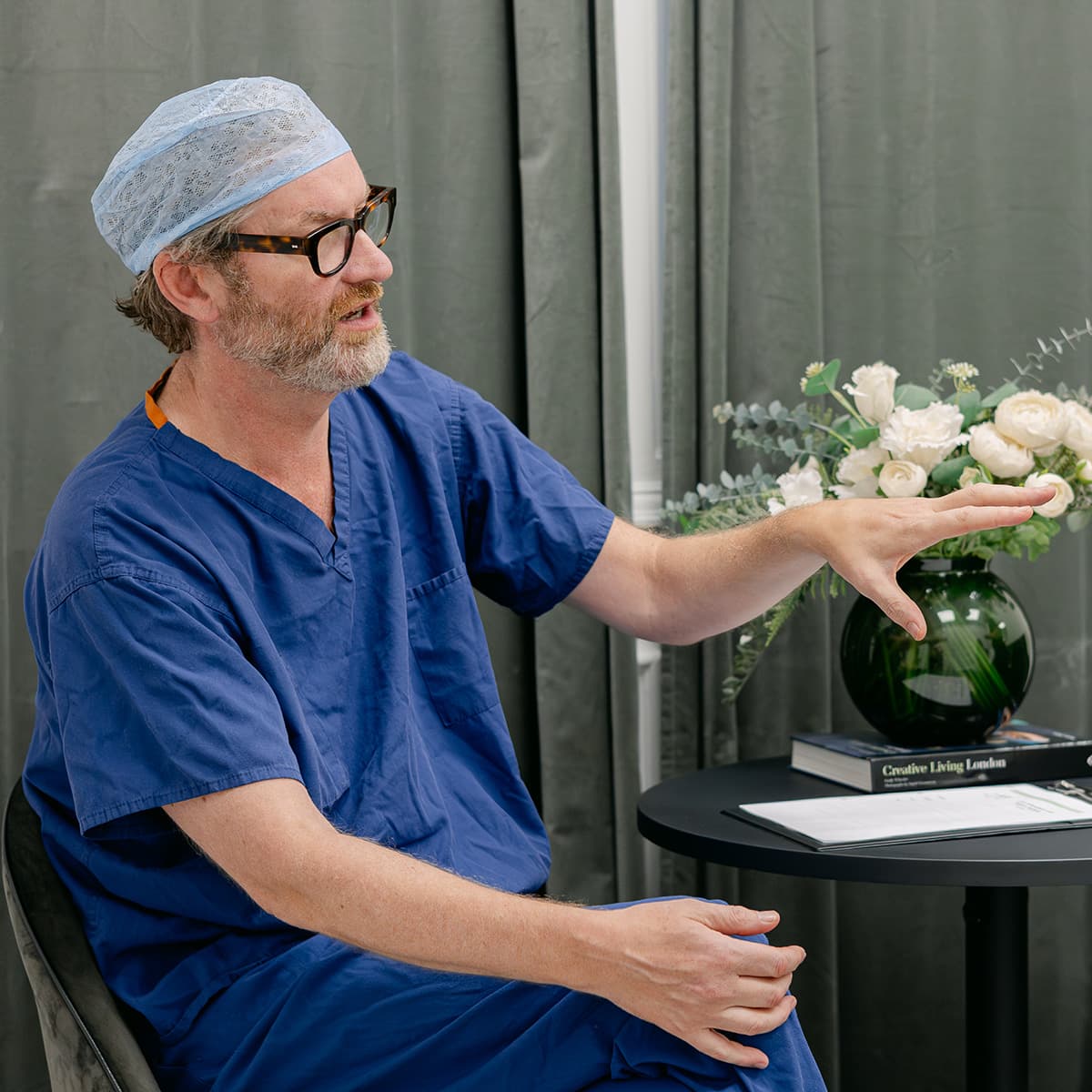
The cost of polynucleotide treatment at L’Atelier Aesthetics depends on your personalised treatment plan, including the treatment area, the amount of product required and whether a course of treatment is recommended.
Current pricing can be found on our Pricing page, where the latest fees are kept up to date.
During your consultation, Dr Duncan Brennand will assess your skin, discuss your concerns and explain exactly what treatment is recommended before providing a personalised quotation. This ensures you understand not only the cost of treatment, but also why that treatment plan has been recommended for your skin.

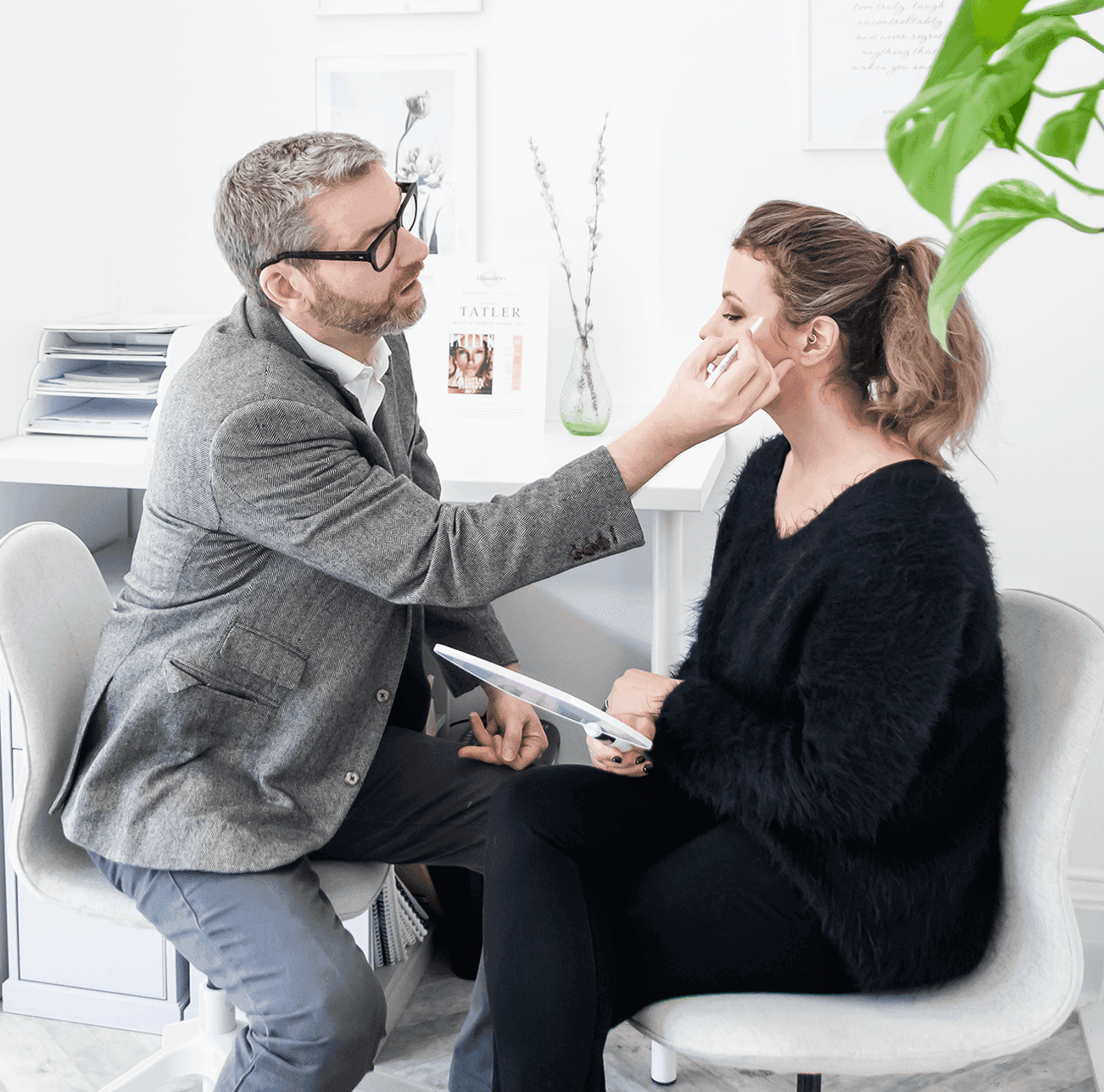
The cost depends on several factors, including the treatment area, the amount of product required and whether you are having a single session or a full course. Current pricing is available on our Pricing page or can be discussed during your consultation.
Prices vary because clinics use different products, treatment protocols and pricing structures. The number of vials required, the practitioner’s experience and whether consultations or review appointments are included can all influence the final cost.
Under-eye treatment is one of the most popular uses for polynucleotides. Although it is a smaller treatment area, pricing reflects more than size alone. Product requirements, clinical assessment and the precision needed to treat this delicate area all contribute to the overall cost.
Yes. “Salmon sperm injections” is the popular name often used online and in the media. The clinical term is polynucleotide injections, which use highly purified polynucleotide chains derived through a carefully controlled manufacturing process.
Most patients are recommended a course of treatment rather than a single session, as results develop gradually over time.
Results vary between patients and depend on factors such as the treatment area, skin condition and maintenance schedule.
Yes. Most regenerative skin treatments like polynucleotides benefit from occasional maintenance to help preserve results over time.
The overall cost depends on the treatment plan rather than the product alone. Although the two treatments may appear similarly priced in some clinics, they work differently and are recommended for different concerns. Comparing them on price alone rarely gives a meaningful picture of value.
When comparing polynucleotide injection costs, it is important to look beyond the headline figure. The product used, the treatment area, the number of sessions recommended and the experience of your practitioner all contribute to the overall value of your treatment.
At L’Atelier Aesthetics, every treatment plan begins with a detailed consultation so that recommendations are based on your skin rather than a standard package. If you’re considering polynucleotide treatment and would like a personalised assessment, Dr Duncan Brennand will explain the options available, recommend the most appropriate approach and provide transparent pricing based on your individual treatment plan.


We welcome patients from across Marylebone, Mayfair, Fitzrovia, Regent’s Park, Soho, Knightsbridge, Belgravia, Chelsea and Kensington, as well as visitors travelling to London for specialist aesthetic and skin treatments. Our location benefits from excellent transport links, with Oxford Circus only a 13 minute walk away, Bond Street and Regent’s Park Underground stations are also both within easy reach. The clinic is also conveniently accessible from major London rail stations and Heathrow, Gatwick and London City airports thanks to the Elizabeth line, making visits straightforward for both UK and international patients.
Whether you are travelling from within London or further afield, our Harley Street clinic provides a calm, professional environment for personalised aesthetic and skin health treatments in one of the capital’s most respected medical locations.