By Dr Duncan Brennand, Lead Aesthetic Doctor at L’Atelier Aesthetics, 101 Harley Street
Two of the most requested laser treatments at L’Atelier Aesthetics on Harley Street are CoolPeel CO2 and PicoSure. They are frequently grouped together in patient research, and just as frequently confused for one another.
They are not the same treatment. They do not address the same concerns. And choosing between them without a proper clinical assessment is one of the most common reasons patients end up with a result that does not match what they were hoping for.
This guide sets out the real differences, who each laser is suited to, and how Dr Duncan Brennand approaches the decision at consultation.
The answer depends entirely on the concern being treated. CoolPeel is the stronger option for patients whose primary concern is skin texture, enlarged pores, fine lines or mild scarring. PicoSure is the stronger option where the concern is pigmentation, sun spots or uneven skin tone.
They are different tools designed for different jobs. For some patients, the right answer is both – planned in the correct sequence.
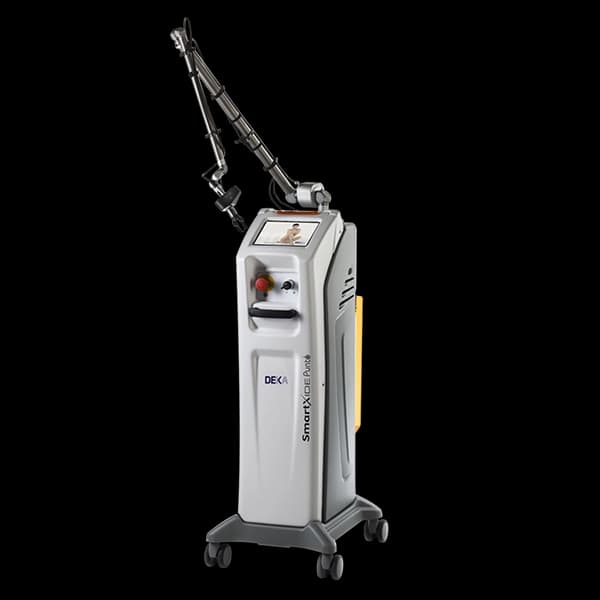
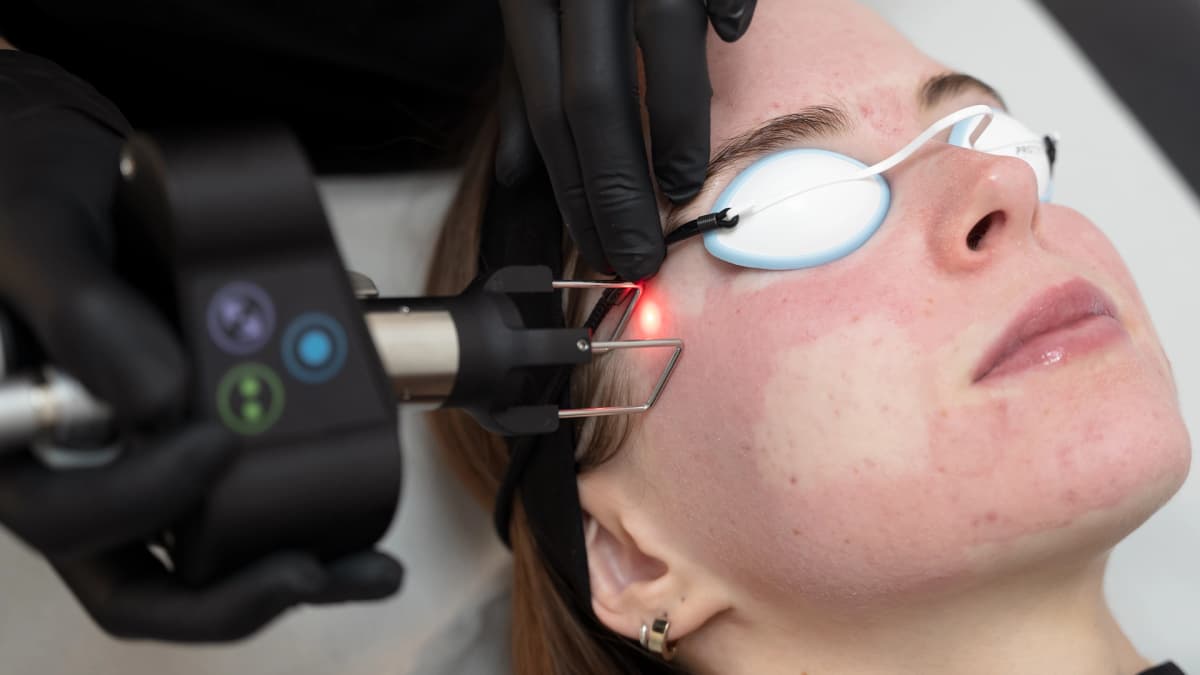
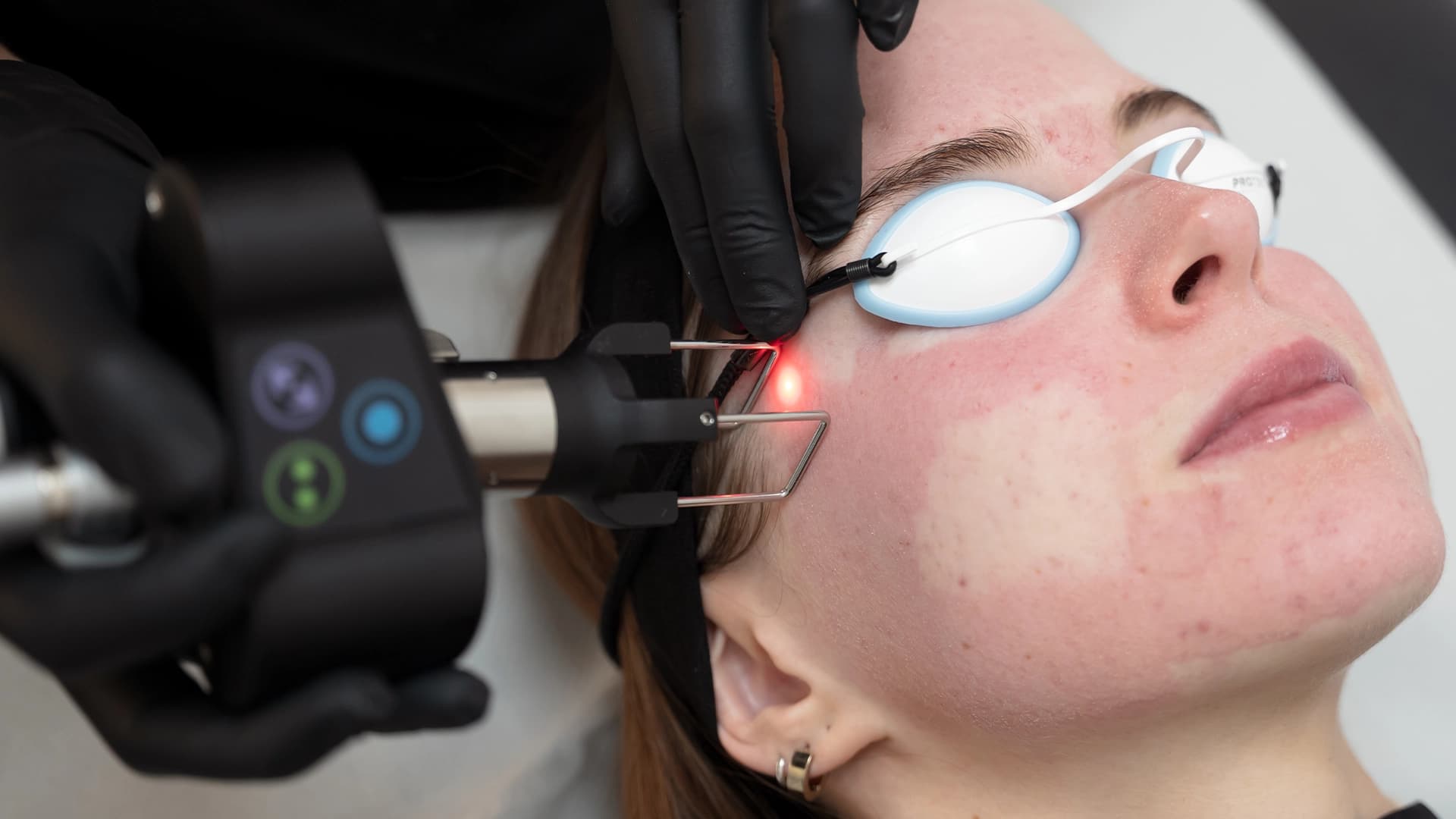
CoolPeel is a CO2 laser treatment that works by removing the outermost layer of skin in a controlled and precise way. As the skin heals, it grows back smoother, clearer and more even in tone. The precision of the treatment keeps the surrounding skin intact, which is what makes recovery shorter than older resurfacing lasers — a key point in the CoolPeel vs UltraClear laser comparison.
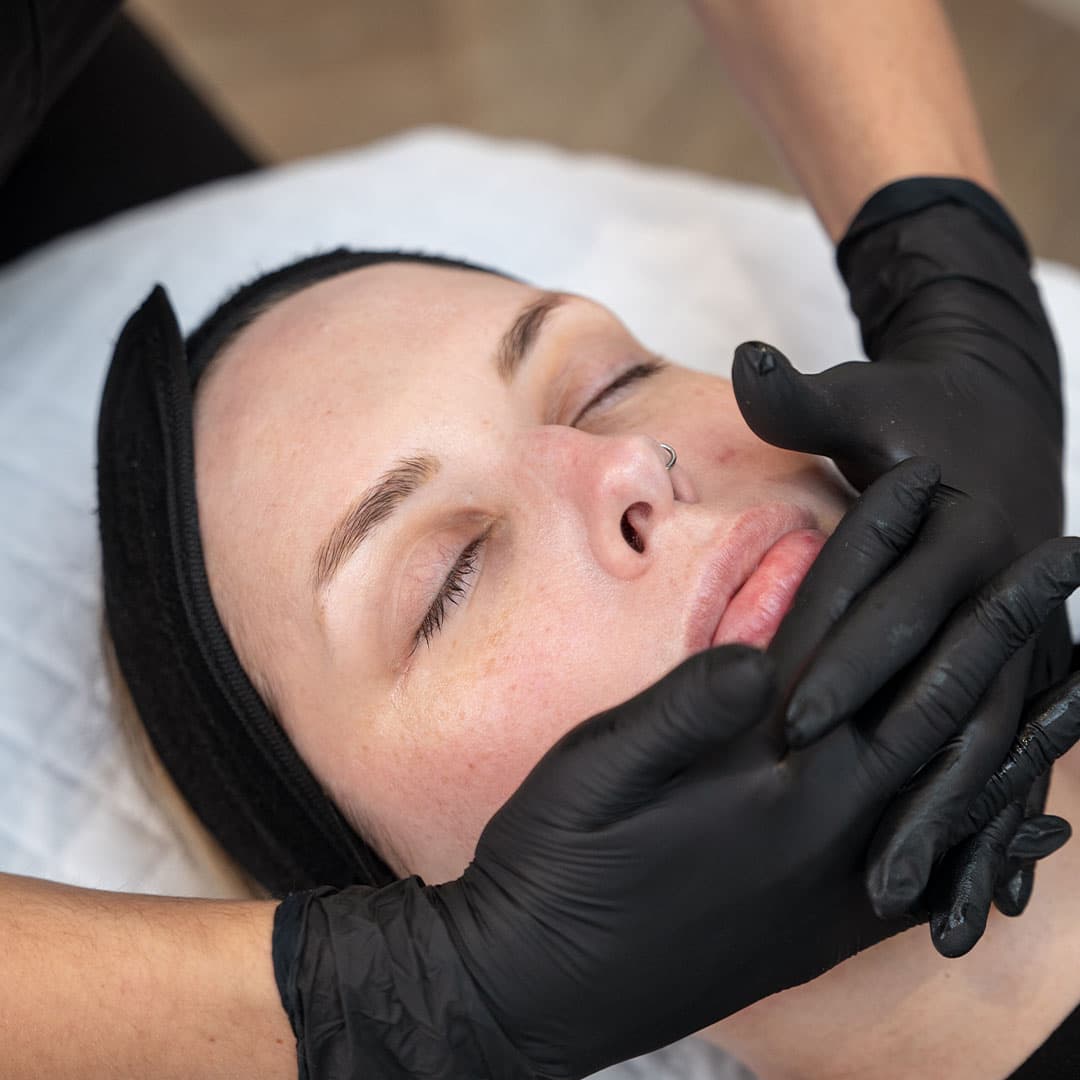
PicoSure takes a different approach entirely. Rather than removing the surface of the skin, it delivers rapid pulses of energy that break down pigmentation beneath the skin, allowing the body to clear it naturally. It also encourages new collagen formation over time, improving overall skin tone and quality without any surface removal.
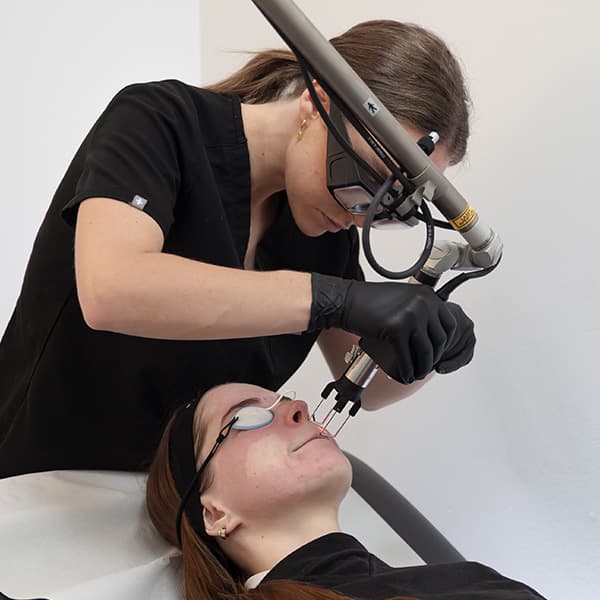
CoolPeel is suited to patients with visible surface concerns – enlarged pores, uneven texture, fine lines, mild acne scarring, sun damage and general dullness. It produces its best results on lighter skin tones, and Dr Brennand will advise at consultation if a different approach is more appropriate.
PicoSure is suited to patients whose primary concern is pigmentation – sun spots, freckling, melasma and certain types of post-inflammatory discolouration. It is also the more appropriate choice for darker skin tones, where lasers that remove the skin surface carry a higher risk of leaving marks. PicoSure is not, on its own, a treatment for texture or fine lines – patients with those concerns are generally better served by CoolPeel or a combined plan.
The most significant practical difference is downtime. CoolPeel involves three to five days of redness and light flaking as the skin heals. PicoSure, in most cases, involves no meaningful recovery period at all. That difference matters considerably to patients with busy schedules, and it is often what drives the comparison – even though the two treatments are addressing different problems.
Skin tone is the other key consideration. CoolPeel requires careful assessment on darker skin, and there are patients for whom it is not the appropriate choice. PicoSure has a stronger safety profile across all skin tones and is frequently the first recommendation for pigmentation in patients with medium to darker complexions.
| Variable | CoolPeel | PicoSure |
|---|---|---|
Primary use | Texture, pores, fine lines, mild scarring | Pigmentation, sun spots, uneven tone |
Downtime | 3 to 5 days of redness and flaking | Minimal, mild redness for a few hours |
Sessions | 1 to 3, spaced 6 weeks apart | 3 to 5, spaced 4 weeks apart |
Best for | Lighter skin tones | All skin tones |
CoolPeel: Improvement is visible within one to two weeks of the first session, with further refinement over the following two to three months. Most patients complete one to three sessions. With consistent sun protection, results are typically sustained for several years.
PicoSure: Pigmentation clears gradually across three to four sessions, with steady lightening rather than an immediate change. Tattoo fading takes longer, usually five to eight sessions depending on the ink and its depth. A maintenance session once or twice a year keeps the skin tone even.
“Patients often arrive asking for CoolPeel when what they actually need is PicoSure, and vice versa. If the concern is texture, pores or fine lines, CoolPeel is the stronger answer. If the concern is pigmentation, sun damage or uneven tone, PicoSure is the stronger answer. The skill of the consultation is in separating the two, because on the face they often co-exist and the right answer can be both, sequenced properly.”
Dr Duncan Brennand, Lead Aesthetic Doctor, L’Atelier Aesthetics
CoolPeel treatments at L’Atelier Aesthetics are delivered by the clinical team – Emma, Kate and Bronte – under Dr Brennand’s clinical lead. He assesses the skin at consultation, sets the treatment plan and parameters, and the team carries out each session.
L’Atelier Aesthetics is a doctor-led clinic at 101 Harley Street, London. Every laser treatment begins with a clinical consultation with Dr Duncan Brennand, who assesses the skin and designs a treatment plan before any procedure takes place. Where a combined approach is appropriate, he will plan the sequencing carefully to ensure each treatment complements the next.
Dr Brennand is a GMC-registered aesthetic doctor with over a decade of experience on Harley Street. His GMC reference number is 4341662, verifiable on the GMC medical register.
The clinic is at 101 Harley Street, London W1G 6AH, a short walk from Bond Street and Oxford Circus underground stations.


At L’Atelier Aesthetics, CoolPeel is typically the better laser for fine lines and surface wrinkles, because it smooths and resurfaces the skin directly. PicoSure can improve skin tone and support collagen production, but for lines and texture CoolPeel delivers a more visible result in fewer sessions.
CoolPeel can be used on some darker skin tones with adjusted settings, but there is a higher risk of leaving marks on very dark skin and we are cautious about treating where that risk is not justified. Dr Brennand will assess your skin at consultation and will recommend PicoSure or a different approach if CoolPeel is not right for you.
Downtime after CoolPeel is typically three to five days of redness and light flaking. Makeup can usually be applied from day three. We recommend strict sun protection for six weeks after treatment.
Most patients need three to five sessions spaced four weeks apart for pigmentation concerns. Tattoo removal usually takes five to eight sessions depending on the ink. Dr Brennand will estimate the session count at consultation.
Yes. Many patients benefit from a combined plan, with PicoSure addressing pigmentation first, then CoolPeel addressing texture once the skin has settled. Dr Brennand will plan the sequence at consultation.
CoolPeel is priced per session, with courses of three usually offering the best value for deeper concerns. Pricing is discussed openly at consultation.
We welcome patients from across Marylebone, Mayfair, Fitzrovia, Regent’s Park, Soho, Knightsbridge, Belgravia, Chelsea and Kensington, as well as visitors travelling to London for specialist aesthetic and skin treatments. Our location benefits from excellent transport links, with Oxford Circus only a 13 minute walk away, Bond Street and Regent’s Park Underground stations are also both within easy reach. The clinic is also conveniently accessible from major London rail stations and Heathrow, Gatwick and London City airports thanks to the Elizabeth line, making visits straightforward for both UK and international patients.
Whether you are travelling from within London or further afield, our Harley Street clinic provides a calm, professional environment for personalised aesthetic and skin health treatments in one of the capital’s most respected medical locations.