Sofwave and XERF are non-surgical skin tightening treatments that use heat to encourage collagen remodelling. Their main difference is how that energy reaches the tissue. Sofwave uses ultrasound at a fixed depth within the skin; XERF uses radiofrequency with adjustable depth settings. At L’Atelier Aesthetics, Dr Duncan Brennand offers Sofwave for carefully selected patients. Here, we explain the clinical reasoning behind that approach and the differences that matter when choosing treatment
For early to moderate skin laxity, Sofwave is the option Dr Brennand offers at L’Atelier. It targets the collagen-rich middle layer of the skin, with one session sufficient for many patients and usually little disruption afterwards. XERF offers adjustable radiofrequency delivery across several tissue depths and is designed to work without numbing cream. Neither device is automatically better for every face. A consultation establishes whether Sofwave treatment can give you the degree of improvement you want.
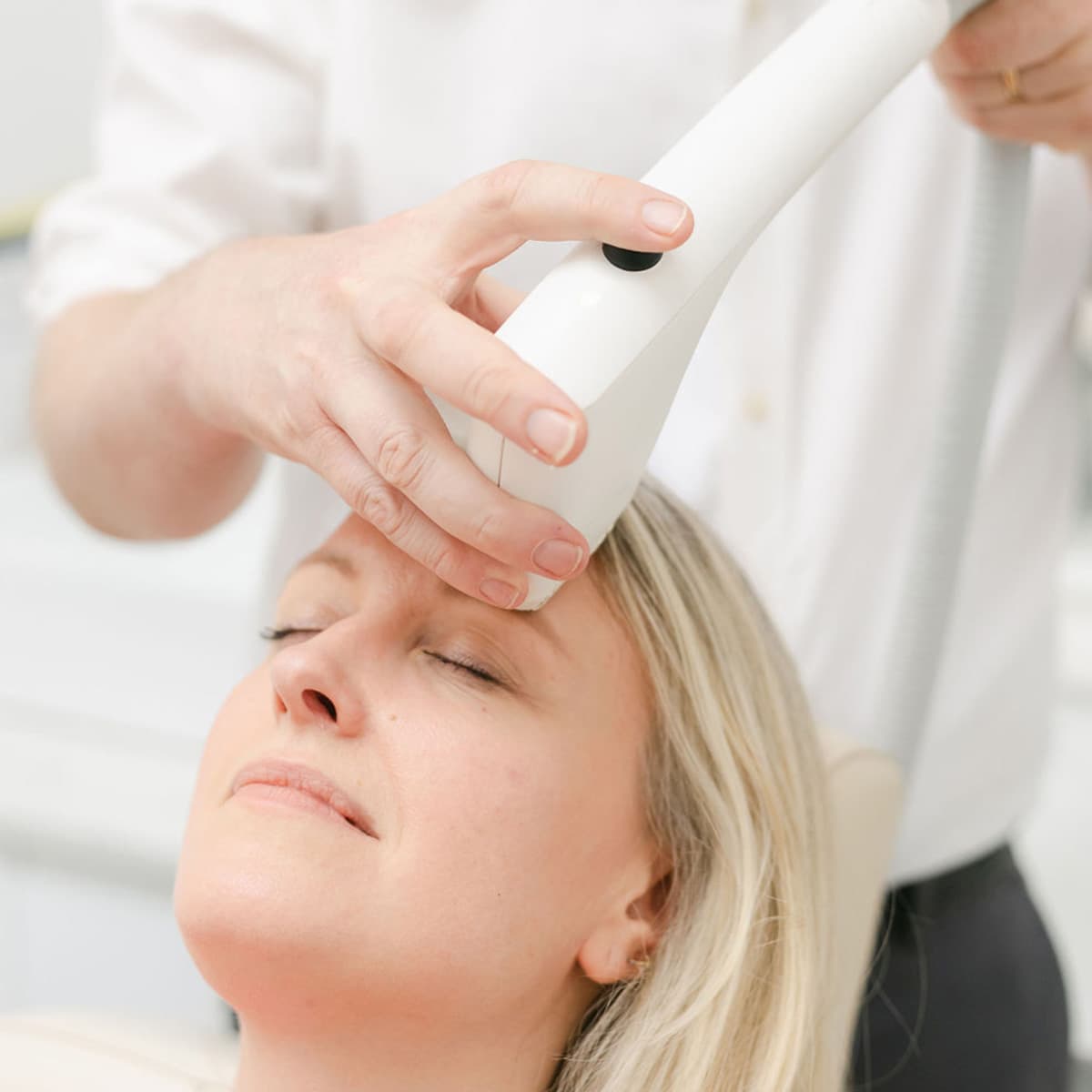
A softer jawline can reflect loose skin, changes in facial volume or movement of deeper tissue. These concerns may look similar in a photograph, but they do not necessarily respond to the same treatment. The assessment therefore needs to establish what is contributing to the change before a device is selected.
Dr Brennand’s consultation considers the location and extent of laxity, your skin quality and the result you hope to achieve. A subtle improvement in firmness is a different goal from removing substantial excess skin. Medical history, previous treatments and your ability to accommodate further appointments also influence the plan. At our doctor-led clinic, this assessment comes before treatment with the clinical team. It gives you an opportunity to discuss the likely benefit, limitations and alternatives. A deeper setting alone cannot establish which device will give the better result for your anatomy.

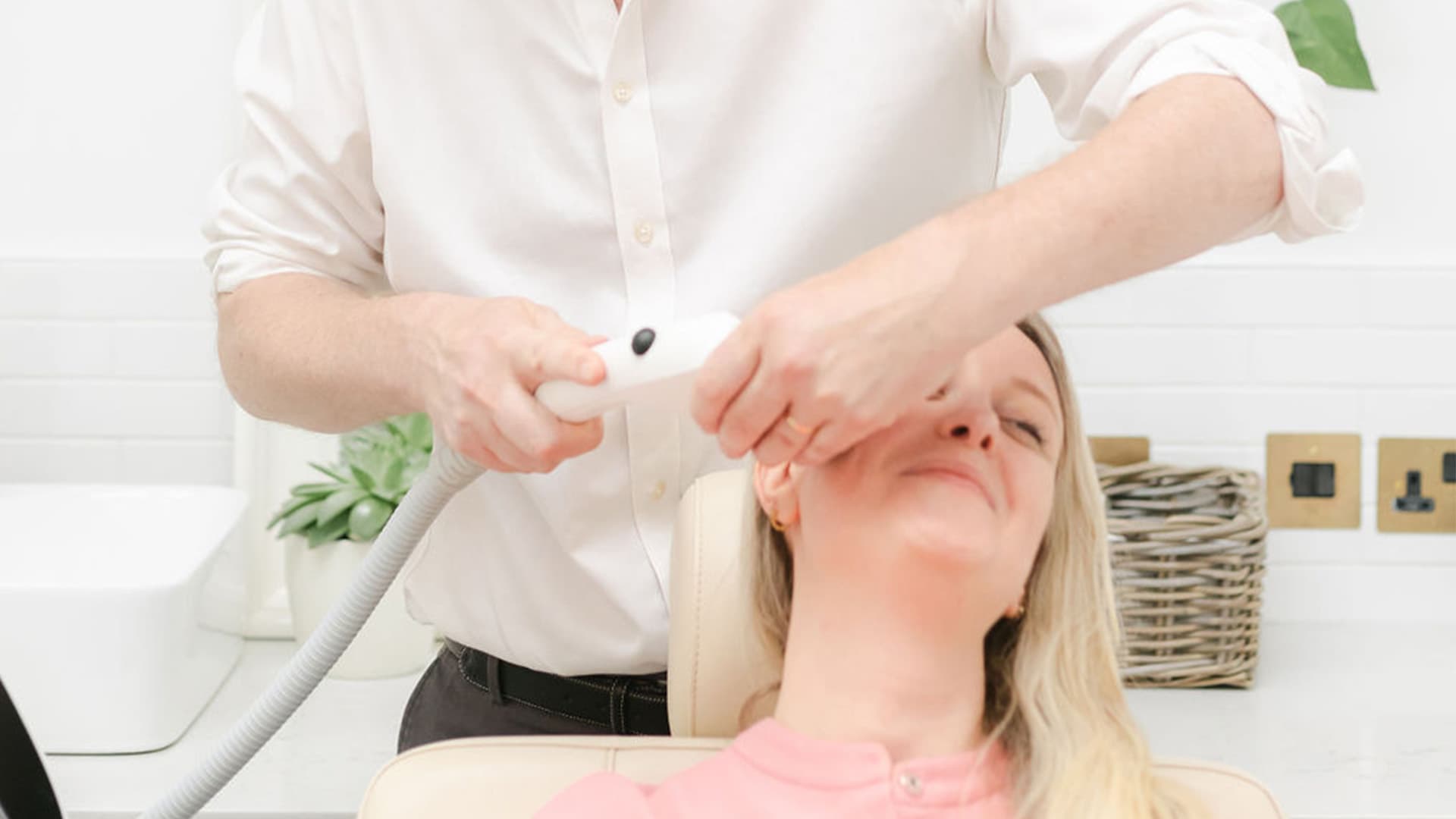
Sofwave uses Synchronous Ultrasound Parallel Beam technology, known as SUPERB, to deliver seven ultrasound beams together. Its thermal effect is centred at approximately 1.5 mm within the mid-dermis, the middle layer of the skin. Controlled heating stimulates a repair response, supporting new collagen formation over the following weeks. Integrated cooling helps protect the skin surface.
This defined treatment depth is an important part of Sofwave’s design. It concentrates treatment within the skin rather than using adjustable settings to heat deeper supporting tissues. The result sought is gradual improvement in firmness, with the skin left intact.
Sofwave is FDA-cleared to improve facial lines and wrinkles, lift the eyebrow and lift lax tissue beneath the chin and on the neck in adults aged 22 and older. It can be used across skin tones, subject to individual assessment.
For L’Atelier’s patients seeking a measured improvement without surgical recovery, that approach makes Sofwave a useful option. Its defined depth does not guarantee a particular lift, and appropriate patient selection remains essential. Read more about how Sofwave works with Dr Duncan Brennand.
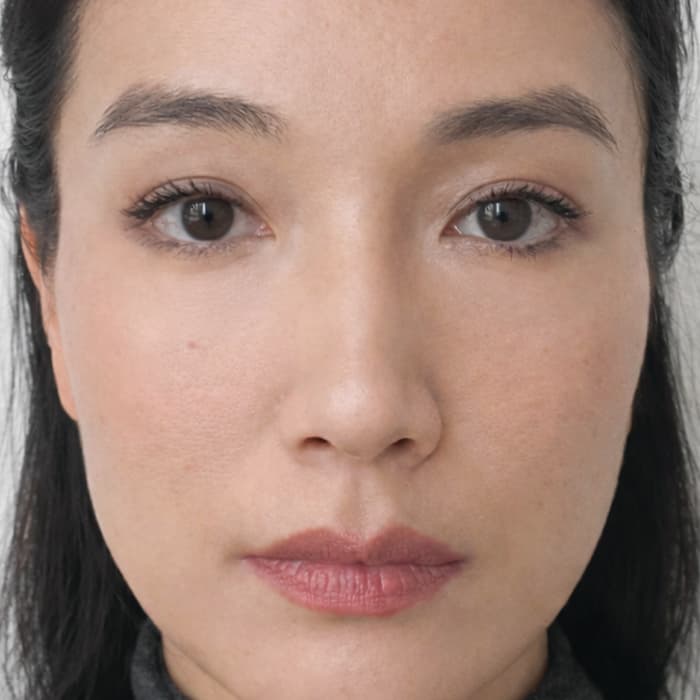
XERF, from Cynosure Lutronic, is a monopolar radiofrequency device. Its dual-frequency technology uses 6.78 MHz and 2 MHz to deliver heat at different tissue depths. Three depth settings and ten intensity levels allow practitioners to adjust delivery to the treatment area.
Integrated cryogen cooling and a pulsed delivery system are designed to protect the surface and manage discomfort without numbing cream. XERF is offered as a non-invasive treatment for facial and neck laxity. Its adjustable depth settings are a genuine difference from Sofwave’s defined dermal treatment zone; they do not establish superior results for every patient.

| Comparison | Sofwave | XERF |
|---|---|---|
| Technology | Ultrasound | Monopolar radiofrequency |
| Treatment depth | Thermal effect centred at about 1.5 mm in the dermis | Three adjustable depth settings |
| Cooling | Integrated surface cooling | Integrated cryogen cooling |
| Numbing | Topical numbing at L’Atelier | Designed to need no numbing cream |
| Treatment time | Usually 30 to 45 minutes, plus preparation | Full face in 45 minutes or less, manufacturer guidance |
| Initial sessions | Often one; a second may be advised | Manufacturer recommends two, 4 to 6 weeks apart |
| Downtime | Usually minimal; temporary reactions possible | Marketed with minimal downtime |
| Maintenance | Annual review commonly advised | Manufacturer suggests once or twice yearly |
| UK availability | Available in UK clinics | Available through UK providers |
| At L’Atelier | Available after consultation with Dr Brennand | Not offered |
XERF’s adjustable settings and lack of numbing preparation may appeal to some patients. Sofwave offers a defined dermal treatment zone and a longer established clinical history, with one initial visit sufficient for many. These practical differences help frame a consultation; they are not proof that one treatment produces better results. Our comparison of Sofwave and Ultherapy explores another ultrasound option.
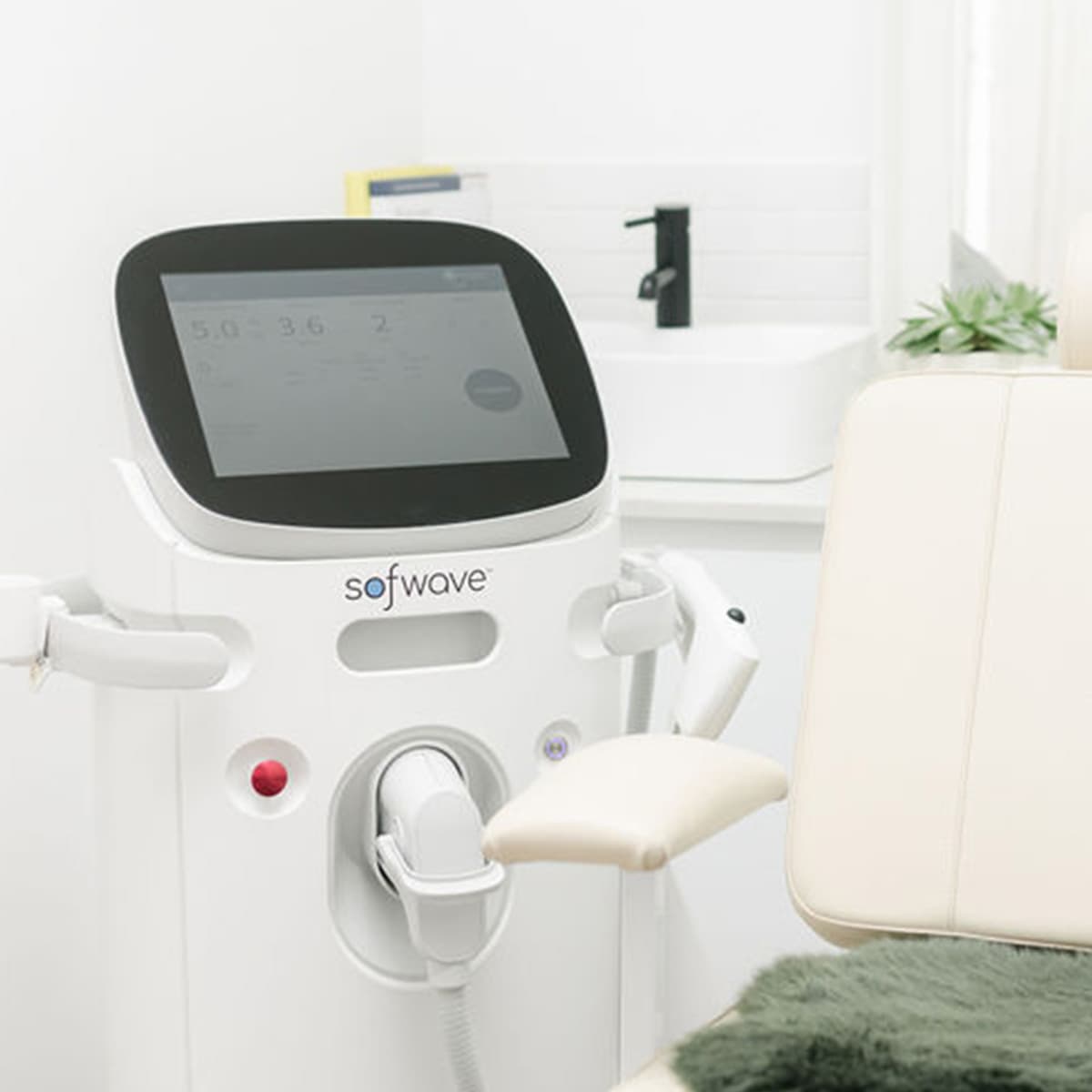
Sofwave may suit patients noticing a lowering brow, early jowls, a softening jawline or neck laxity. It is most relevant where modest firming is a realistic aim. Skin tone alone does not determine suitability.
Where texture or acne scarring is a major concern alongside laxity, Morpheus8 may be considered following assessment. Significant skin excess or deeper tissue descent may warrant a surgical opinion. A fuller lower face also needs careful assessment, because skin tightening does not necessarily address its underlying cause.
Open wounds, severe or cystic acne and electronic implants in the treatment area can rule out Sofwave. Pregnancy, breastfeeding, active infection and facial metal implants require particular consideration. Tell Dr Brennand about medicines, recent procedures and existing filler. The manufacturer advises against treating directly over filler, so the location matters as well as the timing. Your treatment plan should address both.
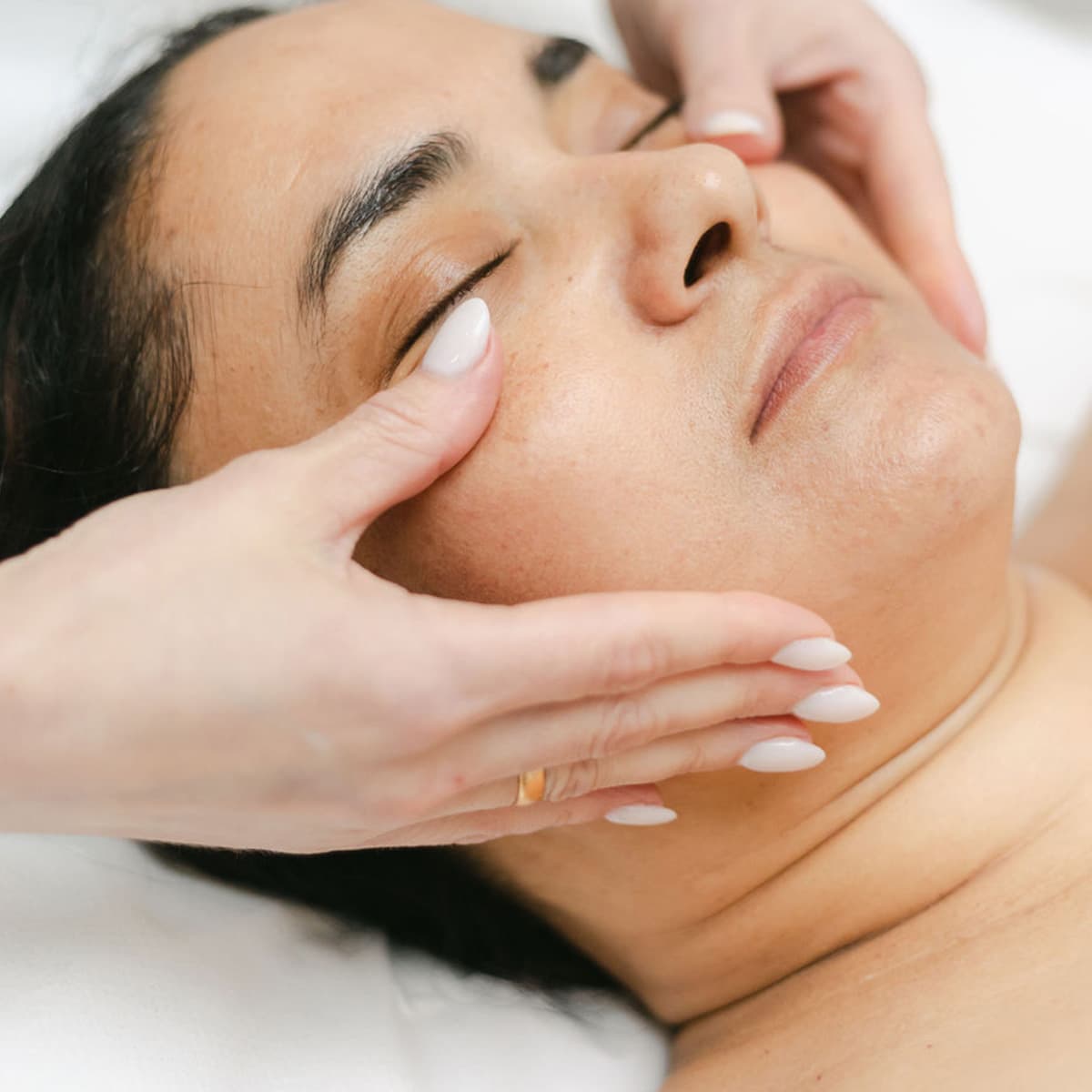
Your visit begins with consultation and planning by Dr Brennand. If Sofwave is suitable, treatment is carried out by Bronte or Kate under his clinical lead. The team cleanses your skin, confirms consent and applies topical numbing cream. Allow additional preparation time; the team will confirm the full appointment length when booking.
Treatment usually takes 30 to 45 minutes, depending on the area. You may feel short bursts of heat despite numbing. Tell your practitioner if discomfort becomes difficult to tolerate.
Most patients return to ordinary activities promptly. Redness, warmth, tenderness or slight swelling can occur. Some notice early tightening from around two weeks, with fuller improvement usually assessed at approximately 12 weeks. The response varies, and collagen remodelling may continue for months.
Results may last around a year, with maintenance discussed at review. Follow the team’s Sofwave aftercare guidance and contact the clinic about blistering, broken skin, unusual pain or persistent swelling. Potential adverse effects also include pigmentation changes. Your consultation should cover the risks as well as the expected recovery.

Sofwave remains L’Atelier’s offered option for patients whose main concern is early to moderate skin laxity and whose expectations fit gradual, non-surgical improvement. Its defined treatment zone and potential for a single initial session support that choice. XERF is a different approach, with adjustable radiofrequency settings and no numbing preparation. These features deserve fair consideration, but device specifications alone cannot predict your result. Dr Brennand’s published guidance on who Sofwave is right for makes the importance of patient selection clear. The recommendation should follow the assessment of your skin.
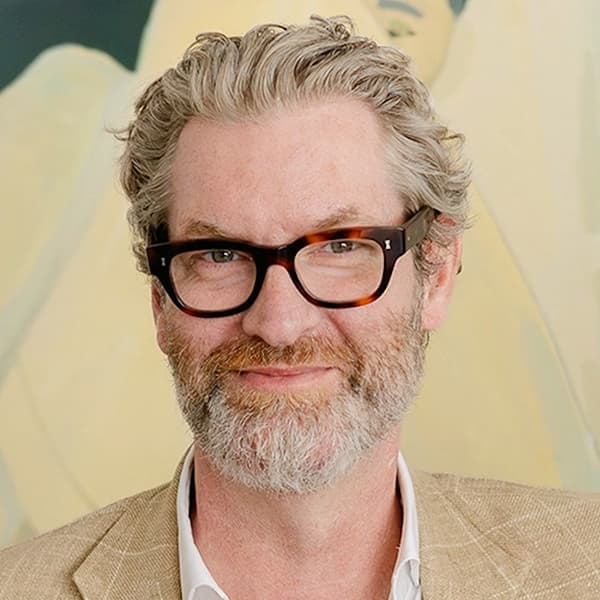
Sofwave and XERF deliver heat differently, so the choice starts with the tissue you need to treat. Dr Brennand offers Sofwave at L’Atelier Aesthetics for suitable patients seeking gradual firming with minimal recovery. A personal assessment can establish what it is likely to achieve for you.
There is no universal winner. Sofwave targets a defined zone in the dermis; XERF offers adjustable radiofrequency depths. Suitability depends on your anatomy and goals. A technology comparison alone cannot demonstrate a better clinical result.
Sofwave is the treatment he offers at L’Atelier for suitable patients with early to moderate laxity. Its defined dermal depth and potential for one initial session fit that approach. This does not mean XERF is unsuitable for every patient.
A reliable pain ranking cannot be made from the specifications. XERF is designed to work without numbing cream. Sofwave at L’Atelier uses topical numbing, but heat sensations and discomfort remain possible. Individual tolerance varies.
Many Sofwave patients have one initial session, although a second may be recommended. Cynosure Lutronic recommends two XERF sessions, four to six weeks apart. Your treating practitioner should confirm the appropriate course.
Sofwave results may last around a year, with annual maintenance commonly discussed. XERF’s manufacturer recommends maintenance once or twice yearly. These schedules are not guarantees of duration; both treatments depend on individual response and ongoing ageing.
Published Sofwave prices start at £999 for an eye lift or jowl lift, with full face listed at £1,999 and full face and neck at £2,999. Confirm the current price and treatment area with the team before booking.
L’Atelier offers Sofwave rather than XERF. Book a consultation with Dr Brennand to discuss whether Sofwave is appropriate for your skin and the result you would like to achieve.
L’Atelier Aesthetics is at 101 Harley Street, London W1G 6AH, within reach of Regent’s Park, Bond Street and Oxford Circus Underground stations. Contact the team online to arrange a Sofwave consultation with Dr Brennand and discuss the treatment areas, appointment time and current pricing.
We welcome patients from across Marylebone, Mayfair, Fitzrovia, Regent’s Park, Soho, Knightsbridge, Belgravia, Chelsea and Kensington, as well as visitors travelling to London for specialist aesthetic and skin treatments. Our location benefits from excellent transport links, with Oxford Circus only a 13 minute walk away, Bond Street and Regent’s Park Underground stations are also both within easy reach. The clinic is also conveniently accessible from major London rail stations and Heathrow, Gatwick and London City airports thanks to the Elizabeth line, making visits straightforward for both UK and international patients.
Whether you are travelling from within London or further afield, our Harley Street clinic provides a calm, professional environment for personalised aesthetic and skin health treatments in one of the capital’s most respected medical locations.