After The Perfect Peel, the skin commonly feels tight at first, begins to peel around days two or three and completes the most noticeable shedding within about five to seven days. At L’Atelier Aesthetics on Harley Street, London, we advise protecting the skin and following your personalised aftercare instructions rather than trying to speed up peeling.
Good aftercare means protecting the skin, leaving peeling areas alone and following your clinician’s product instructions. The first week matters more than trying to speed the process up.
A peel is easier to plan for when you know what each day may look like. The timeline below is a general guide to L’Atelier’s Perfect Peel, not a promise that everyone will shed in the same way or on the same day.
Visible peeling usually starts around the second or third day and is largely complete within five to seven days. The intensity may vary across the face, with the mouth and nose often feeling more noticeable. Some people shed in fine flakes; others experience larger pieces of peeling skin. The absence of dramatic shedding does not, on its own, establish that a treatment has failed.
A week without major social commitments is sensible following treatment. Skin can still feel dry, pink or unusually sensitive once the most obvious peeling has ended, so a longer buffer is preferable before photographs or an important event.
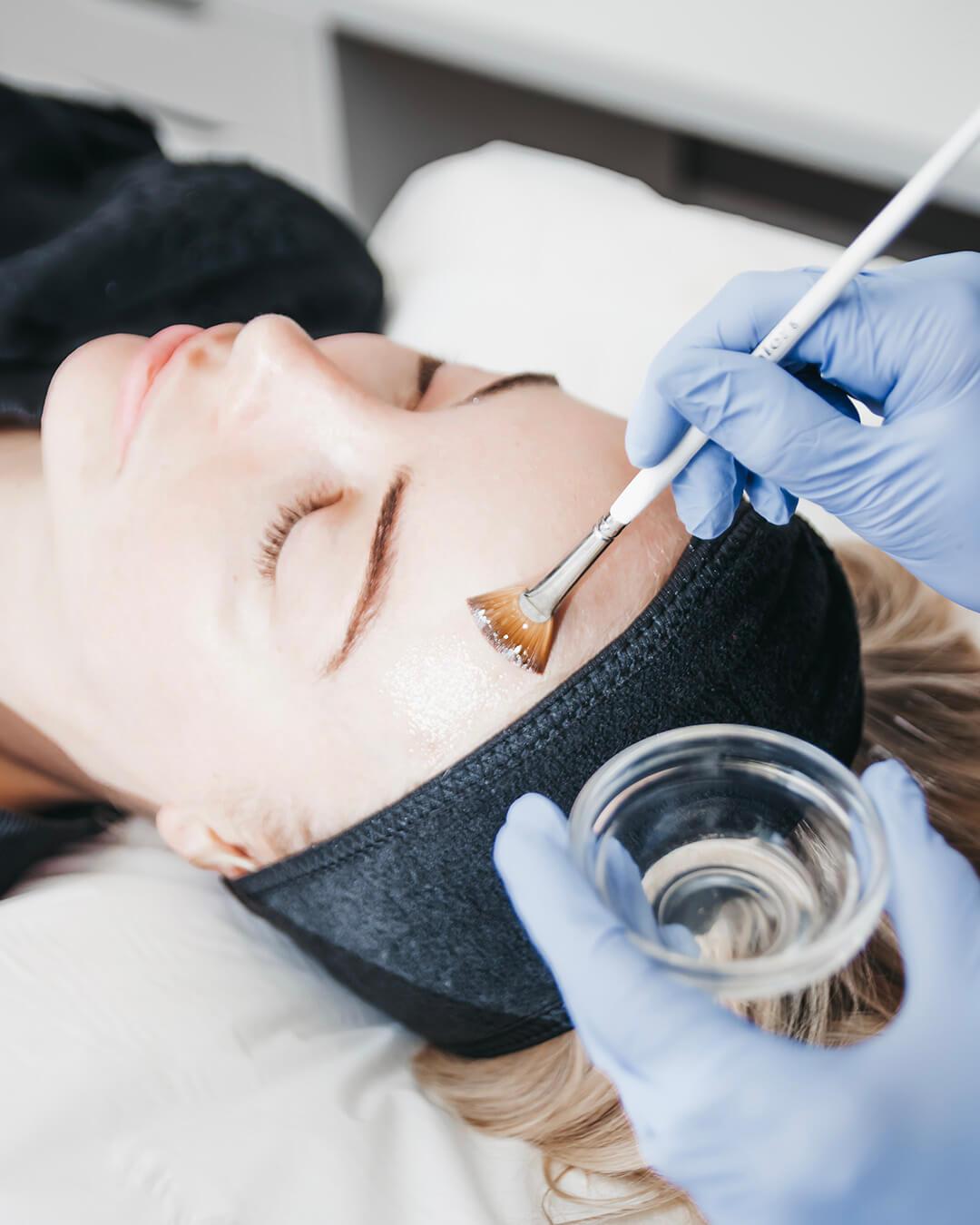
The Perfect Peel is a medium-depth chemical peel designed to improve the appearance of uneven tone, dullness, superficial texture and selected pigmentation concerns. The clinic’s treatment information describes a blend that includes exfoliating acids, glutathione, vitamin C and minerals. The purpose is controlled exfoliation and subsequent renewal rather than an instant facial glow on the day of application.
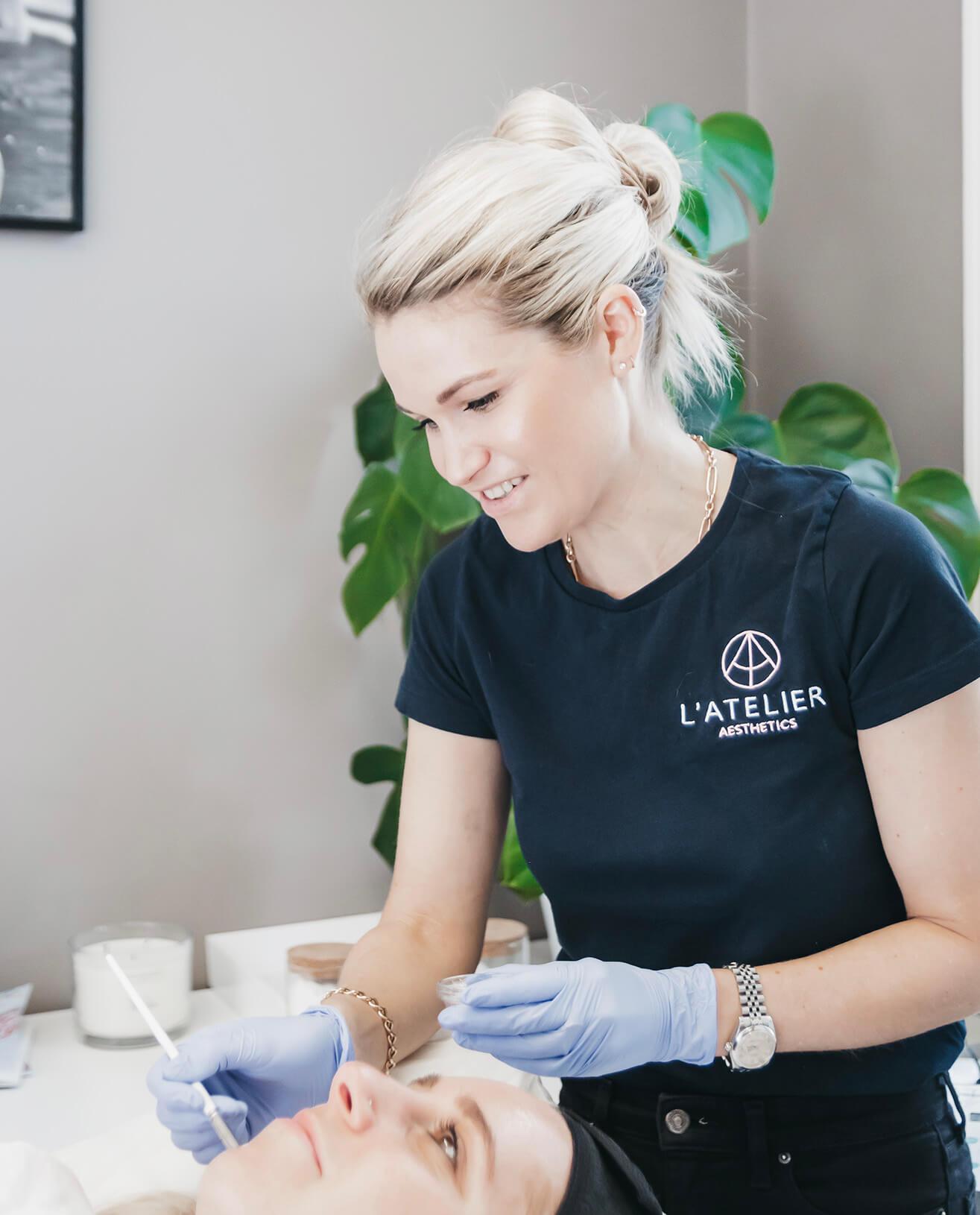
At L’Atelier Aesthetics, the appointment is described as taking approximately 30 to 40 minutes, with the solution applied in layers under the guidance of Dr Duncan Brennand. Your practitioner should explain the specific post-treatment kit, when products may be used and when cleansing should begin. Do not rely on generic online advice to decide when to remove or wash off a professional peel.
The visible peeling is an anticipated part of the treatment response. It is not a reason to scrub, rub or manually lift skin away. If you develop unusual pain, marked swelling, blistering or signs of infection, contact the clinic promptly.

| Stage | What to expect | Aftercare |
|---|---|---|
| Day one: tightness and early sensitivity | The skin may feel taut, warm or dry, and its colour can look slightly darker or uneven before the peeling begins. | Keep the day simple. Follow the instructions and products given at your appointment, avoid unapproved active skincare and resist applying extra moisturiser or exfoliant unless advised. Do not assume you can return immediately to your usual routine. Retinoids, exfoliating acids, abrasive cleansing brushes and other potentially irritating ingredients should stay out of the routine until your clinician confirms that your skin is ready. |
| Days two to three: peeling begins | Peeling often becomes visible around the mouth, chin and nose before spreading to other areas. | The edges of lifting skin can be tempting to remove, but pulling them can irritate the tender skin beneath and increase the risk of uneven pigmentation. Use only your recommended aftercare products. Avoid picking, scrubbing, facial treatments and unnecessary heat exposure. Protect yourself from direct sun, and ask your practitioner when and how to use sunscreen if the specific peel protocol affects product application in the earliest days. |
| Days four to seven: active shedding and gradual settling | Peeling may be most obvious during the middle of the week. Skin can look patchy as newly exposed areas appear beside areas that have not yet shed. This is not a useful moment to judge the final tone or texture. | Continue to let the skin lift naturally. Be cautious with workouts that cause excessive sweating or heat if your clinician has advised avoiding them. Keep pillowcases and anything touching the face clean, and do not book waxing, laser treatment or another peel while the skin is recovering. |
| After day seven: rebuilding a routine | Once visible peeling is complete, the skin often looks fresher and feels smoother, although sensitivity can persist. | Restart active ingredients only when your practitioner advises. Daily sun protection remains important because freshly exfoliated skin is particularly vulnerable to sun exposure. If you already have a routine, this is not the time to add several unfamiliar products. Gradual reintroduction makes it easier to spot irritation and helps you maintain the result comfortably. |
These principles complement the clinic’s broader chemical peel aftercare guidance, but your Perfect Peel instructions always take priority over general advice.
The Perfect Peel may be considered where dullness, uneven tone, sun-related discolouration or superficial roughness makes the skin appear less clear. It may also be part of a plan for selected post-acne marks or hyperpigmentation, after a proper assessment of the cause.
Pigmentation is not one condition. Melasma, for example, can be persistent and may worsen with irritation or sun exposure. Careful diagnosis and a longer-term strategy are essential, which is why it helps to distinguish melasma from other hyperpigmentation before selecting a peel.
A medium-depth peel is unlikely to correct significant laxity or deep wrinkles. Morpheus8 or Sofwave may be more relevant where firmness is the leading concern. Active cold sores, some inflammatory skin problems, unavoidable intense sun exposure or a medical contraindication may mean postponing or choosing another treatment. Pregnancy and breastfeeding suitability must be confirmed by the clinic before any booking.
The Perfect Peel occupies a middle ground for someone who wants more exfoliation than a low-downtime facial but does not necessarily need a more involved pigmentation programme. The recovery experience after Dermamelan is different, as explained in the clinic’s Dermamelan recovery article.
| Treatment | Main focus | Expected interruption to plans |
|---|---|---|
The Perfect Peel | Exfoliation, uneven tone and surface texture | Visible peeling for much of the first week |
CoolPeel | Laser resurfacing for selected texture concerns | Redness and recovery vary by settings |
Dermamelan | A structured approach to stubborn pigmentation | More demanding aftercare and a longer management period |
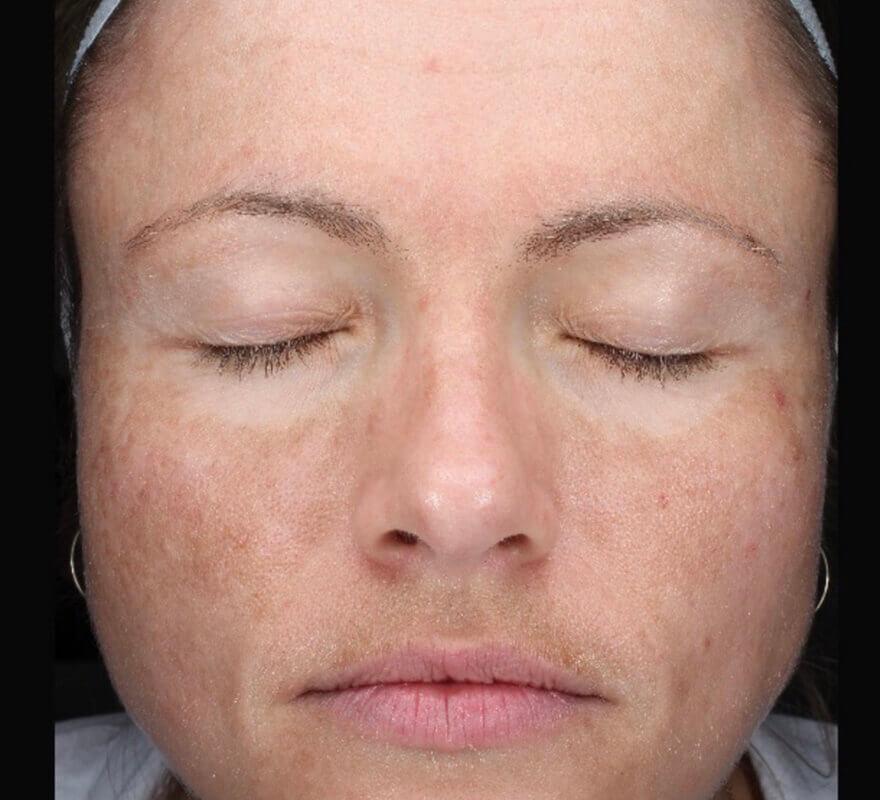
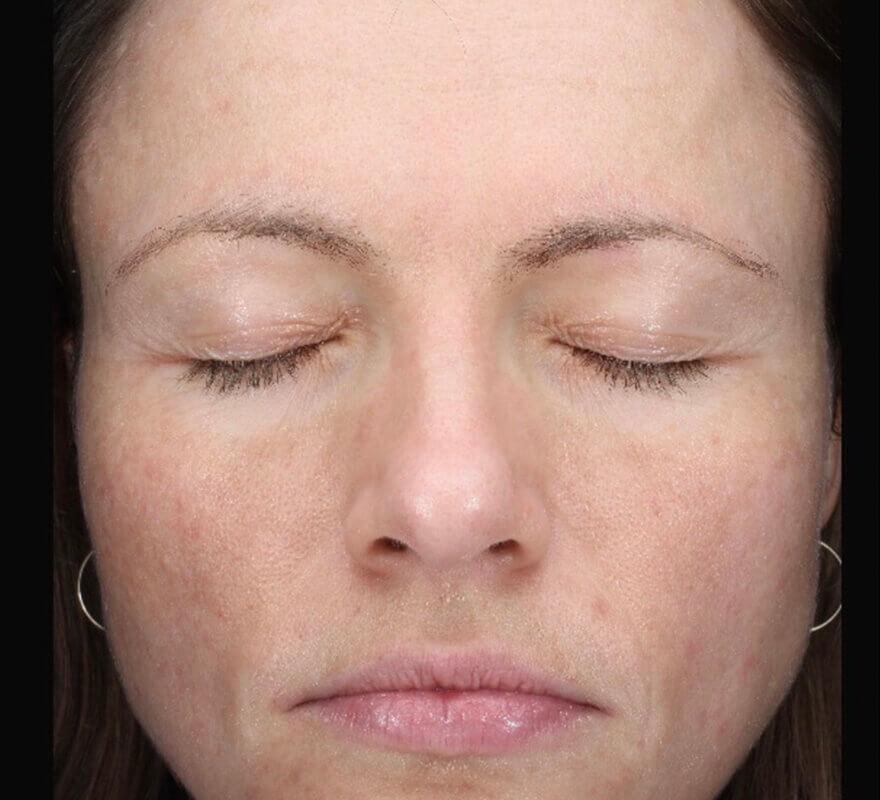
The most useful before-and-after comparison is not taken during the middle of peeling. Immediately afterwards, dryness or uneven shedding can make skin look temporarily worse. The appearance of tone and surface texture should be assessed once the skin has recovered, with longer-term pigmentation changes reviewed over time.
When assessing photographs, look for the same lighting, camera distance, angle and facial expression. Make-up, filters and lighting that hide texture can make a change look more dramatic than it is. Ask when each photograph was taken and whether it shows one peel or a course.
The clinic’s treatment information gives an approximate two-to-four-month period for the refreshed appearance after a single peel, with individual variation. For pigment concerns, a course of three treatments spaced about four weeks apart may be discussed. A course does not guarantee clearance, particularly where melasma or ongoing sun exposure contributes to recurrence.
For a wedding, party or important photographs, allow at least two weeks between treatment and the event. Three to four weeks gives more room for unexpectedly prolonged dryness, redness or sensitivity, especially if this is your first peel. A peel in the last few days before a big occasion is generally a poor idea.
Work backwards from the event rather than from the nearest available appointment. L’Atelier’s Christmas skin countdown explains why a plan that looks straightforward in October can become unnecessarily rushed in December.
Aftercare is an active part of the treatment. Picking at skin may feel as though it is helping the process along, but controlled exfoliation depends on leaving the recovering surface undisturbed. The same goes for restarting a strong retinoid because the skin appears clear after a few days.
Dr Duncan Brennand oversees the clinic’s treatment approach; the treating practitioner should confirm who will perform your peel and give instructions specific to your skin. At L’Atelier, the aim is to improve tone and texture while keeping recovery predictable and risks properly managed.
The Perfect Peel can be a useful option for selected concerns, but it works best when you plan for visible peeling, follow the aftercare and judge results after recovery rather than during it. If uneven tone or roughness is your priority, an assessment for The Perfect Peel at L’Atelier can establish whether its downtime fits your skin and your diary.

Peeling usually becomes visible around day two or three, with the main shedding period often finished within five to seven days. The exact pattern varies, so use the timeline as a guide rather than a deadline.
Avoid picking, scrubbing, unapproved exfoliating ingredients and unnecessary sun or heat exposure. Follow your individual aftercare pack rather than restarting your entire usual skincare routine immediately.
A single peel may be considered for a general refresh. For selected pigmentation concerns, the clinic may recommend a course of three around four weeks apart. The right number depends on skin assessment and response.
The Perfect Peel starts at £145. A proposed course and any consultation costs should be confirmed with the clinic before booking.
Suitability depends on skin type, pigmentation history and the risk of post-inflammatory hyperpigmentation. A consultation is important, and a different approach may be preferable for some people.
For a single treatment, the clinic describes a refreshed appearance lasting approximately two to four months, but this depends on skin condition, sun exposure and home care. Pigmentation may require continued management.
We welcome patients from across Marylebone, Mayfair, Fitzrovia, Regent’s Park, Soho, Knightsbridge, Belgravia, Chelsea and Kensington, as well as visitors travelling to London for specialist aesthetic and skin treatments. Our location benefits from excellent transport links, with Oxford Circus only a 13 minute walk away, Bond Street and Regent’s Park Underground stations are also both within easy reach. The clinic is also conveniently accessible from major London rail stations and Heathrow, Gatwick and London City airports thanks to the Elizabeth line, making visits straightforward for both UK and international patients.
Whether you are travelling from within London or further afield, our Harley Street clinic provides a calm, professional environment for personalised aesthetic and skin health treatments in one of the capital’s most respected medical locations.