
Dermamelan recovery usually involves some redness, sensitivity and peeling, particularly during the first week. However, the treatment doesn’t end once this initial peeling settles.
Dermamelan is a structured four-month programme, with an ongoing home-care routine designed to manage pigmentation and support your results. And knowing what to expect at each stage can make the process much easier to manage.
Today, we’ll break down the Dermamelan recovery timeline, from the first 24 hours through to peeling, aftercare and the gradual development of your results:
Dermamelan recovery changes considerably over the first few weeks. You may experience redness and sensitivity initially, followed by peeling during the first week. As the skin settles, the focus shifts towards continuing your home-care programme and allowing your pigmentation results to develop.
| Stage | What you may notice | What to remember |
|---|---|---|
| First 24 to 48 hours | Redness, warmth, tightness and sensitivity can occur. Existing pigmentation may temporarily look darker. | Keep your routine simple and follow the products and timings prescribed by the clinic. |
| Days 3 to 7 | Peeling and flaking often become more noticeable. Your skin may feel dry or tight. | Don’t pick, scrub or exfoliate peeling skin. Allow it to shed naturally. |
| Weeks 2 to 4 | The most noticeable peeling should begin to settle, although lighter flaking or sensitivity can continue. Early improvements in pigmentation and skin tone may start to appear. | Continue your prescribed home-care programme even if your skin already looks clearer. |
| Months 1 to 4 | Pigmentation can continue to improve as you progress through the Dermamelan programme. | Home care and sun protection remain important throughout the treatment period. |
The exact timeline varies from person to person, so don’t worry if your skin doesn’t follow these stages to the day. Your skin type, sensitivity and the pigmentation being treated can all affect how quickly it settles.

Dermamelan begins with a two-week preparation phase using prescribed products. This is followed by your in-clinic appointment, when the Dermamelan mask is applied to your skin.
You’ll leave the clinic wearing the mask and remove it at home after the amount of time specified by your practitioner. Your home-care programme then begins shortly afterwards.
Once the mask is removed, your skin may look red and feel warm, tight or sensitive. The intensity of this initial response varies, so don’t worry if your recovery doesn’t look exactly like somebody else’s.
You’ll also have a post-treatment product pack and clear instructions for using it. Following this routine is an important part of Dermamelan itself, rather than simply an optional addition to the in-clinic treatment.
If you’re unsure about any of the instructions once you’re home, check with the clinic rather than adjusting the protocol yourself.


During the first day or two, redness, warmth, tightness and sensitivity are all common as the skin begins to respond to Dermamelan.
Some people find this stage more noticeable than others. Your skin type, sensitivity and the extent of the pigmentation being treated can all influence how your skin looks and feels.
Existing areas of pigmentation may also temporarily appear darker. This can be surprising when you’re expecting your pigmentation to become lighter, but it’s much too early at this stage to assess your result.
Keep your skincare simple and use the soothing and repair products in your Dermamelan pack exactly as directed. Your prescribed home-care programme will also begin around this stage, so stick to the timings you’ve been given rather than introducing other products.
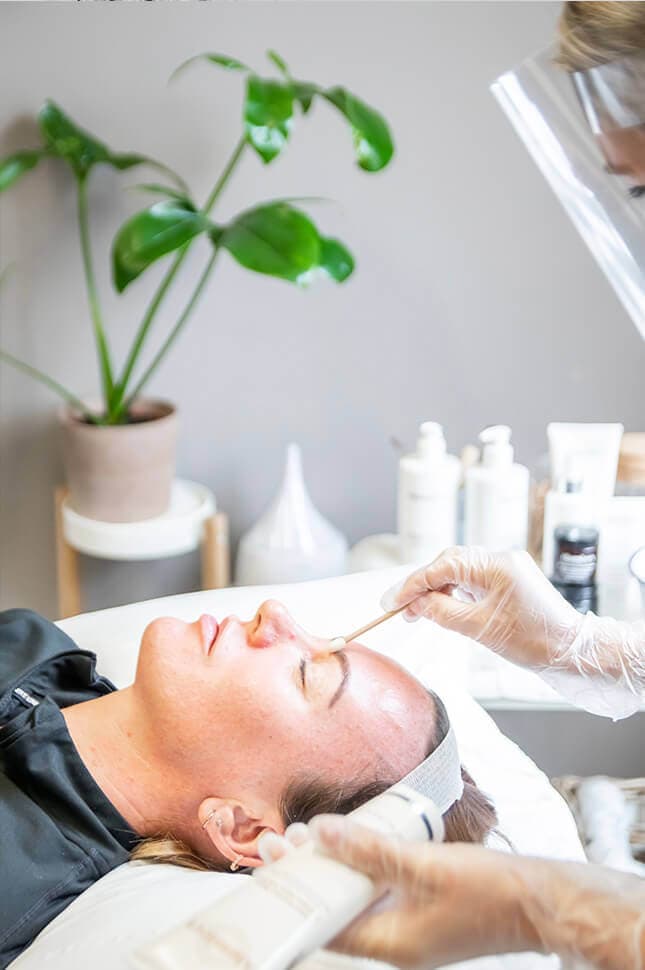
Dermamelan peeling commonly begins at around day three, with flaking often becoming more noticeable during the first week.
Your skin may feel dry or tight as it begins to peel. Some areas may flake more than others, and the amount of peeling can vary significantly between patients.
However tempting it is, don’t pull away loose skin or try to speed things up with a scrub or exfoliating product.
Allowing the skin to shed naturally is important. Picking, rubbing or excessive exfoliation can irritate the skin and increase the risk of post-inflammatory pigmentation, which is particularly unhelpful when pigmentation is what you’re trying to improve.
Most of the initial visible peeling settles within around three to seven days, although lighter flaking can continue for longer.
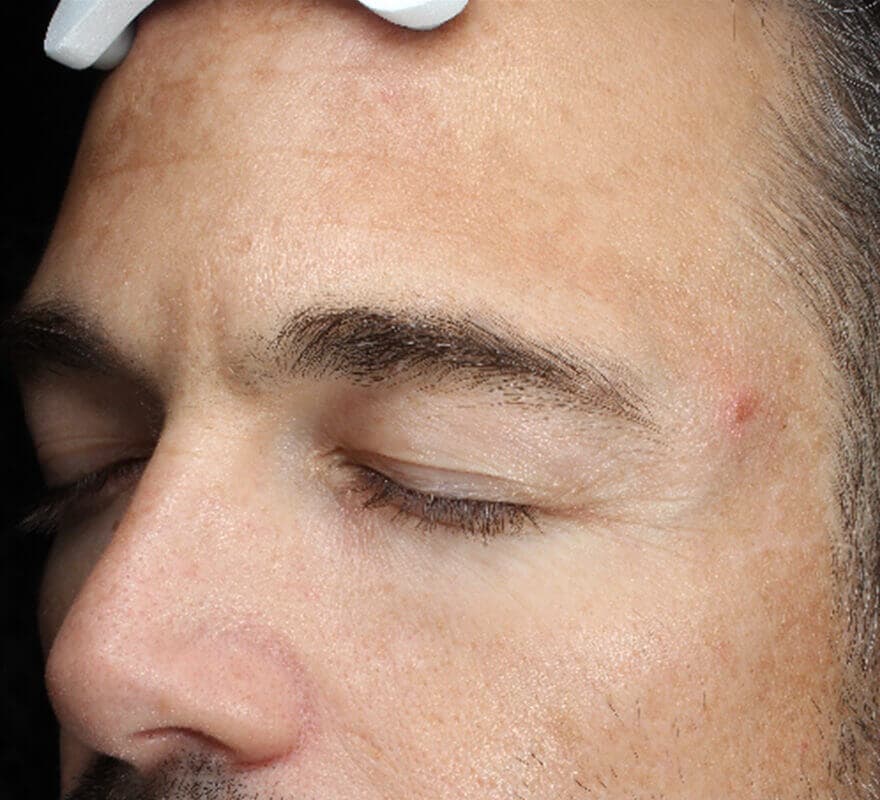
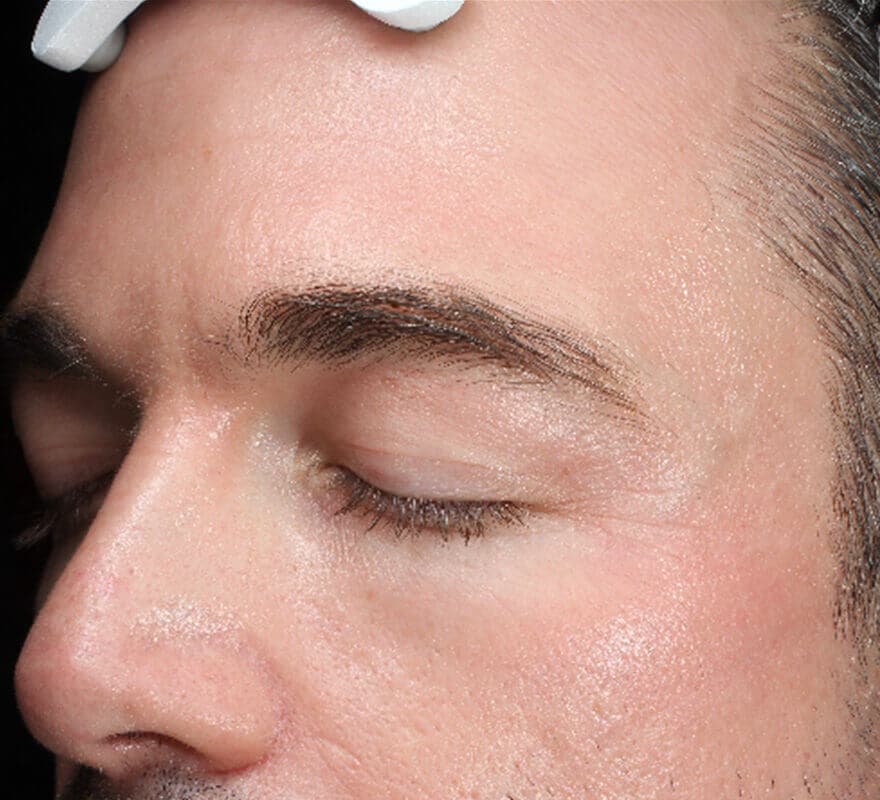
By the second week, the most noticeable peeling has usually started to settle and your skin should gradually begin to feel calmer. Some sensitivity or lighter flaking may continue, potentially for several weeks.
This is also when you may start to notice the first changes in your pigmentation, tone and overall skin clarity.
Seeing an improvement at this stage can be encouraging, but it doesn’t mean the treatment is finished.
Continue with your prescribed Dermamelan home-care programme even once your skin looks and feels more settled. The treatment is designed to work progressively, so the weeks after the initial peeling phase remain an important part of the process.
Sun protection also becomes particularly important as you continue to manage the factors that can trigger further pigmentation.
Dermamelan is a four-month programme because treating pigmentation involves more than removing visible pigment from the surface of your skin.
Pigmentation develops when the processes controlling melanin production become disrupted or overactive. This can happen for several reasons, including UV exposure and hormonal influences.
The in-clinic mask begins the depigmentation process. Your ongoing home treatment then helps regulate excess pigment production and manage the factors that can contribute to pigmentation returning.
This is particularly relevant with melasma, which can be recurrent and influenced by triggers that continue long after the initial treatment.
So, while the peeling stage tends to attract the most attention, it is only one part of Dermamelan. Consistent home care and sun protection throughout the following months are central to the treatment programme.
If you’re unsure what type of pigmentation you’re dealing with, our guide to melasma vs hyperpigmentation explains some of the important differences.

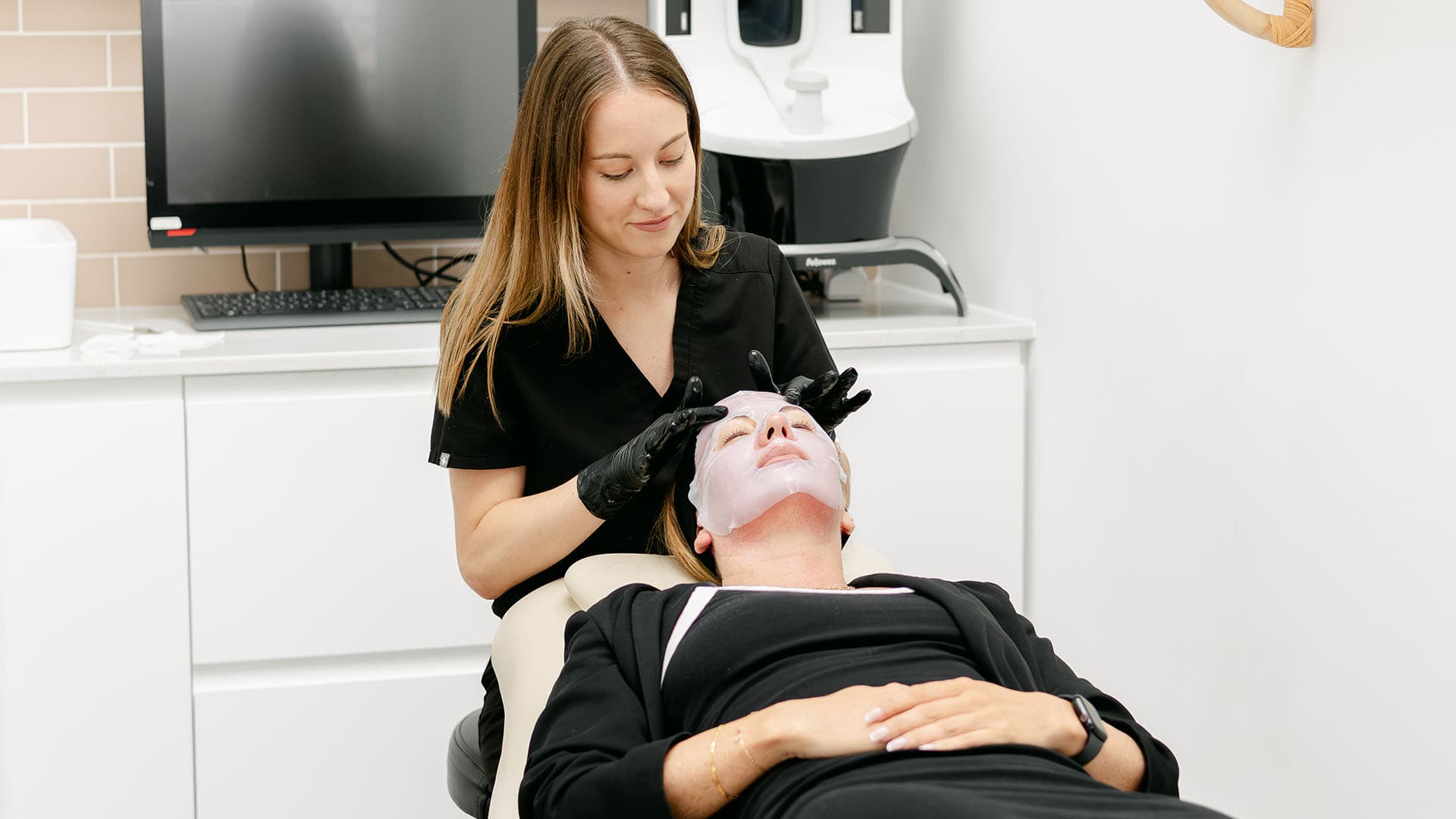
There is no ideal amount of Dermamelan peeling. Some people experience fairly obvious shedding, while others notice much lighter, powdery flaking. Neither response automatically tells you how well your treatment is working. More peeling isn’t necessarily better. Equally, peeling less than somebody else doesn’t mean that Dermamelan hasn’t worked.
Your skin type, sensitivity and individual response can all affect how much visible flaking you experience. The treatment also continues to work beyond what you can see happening on the surface. For this reason, try not to compare your recovery too closely with Dermamelan peeling photographs online. What matters is whether your skin is responding as expected for you.
If you’re concerned about the amount of peeling or irritation you’re experiencing, contact the clinic rather than changing your home-care routine yourself.

Your prescribed home-care routine is a central part of Dermamelan, so follow it exactly as advised even after the initial peeling has settled.
At L’Atelier Aesthetics, Dermamelan aftercare means:
| Aftercare step | What this involves |
|---|---|
| Follow your home-care routine | Use your post-peel products exactly as instructed to soothe and support the skin during recovery. |
| Wear broad-spectrum SPF 50 daily | Apply every morning — including on overcast days and when indoors near windows — and reapply when outdoors. |
| Pause active skincare | Stop retinoids, exfoliating acids and ingredients such as vitamin C, as these can overstimulate sensitive skin. Reintroduce only when advised. |
| Leave peeling skin alone | No picking, rubbing, scrubbing or physical exfoliation. Avoid waxing or threading treated skin during the programme. |
| Avoid sunbeds | Avoid throughout the Dermamelan programme and beyond. |
| Attend follow-up appointments | These let the team monitor your pigmentation and skin response, and adjust your home care where needed. |
Sun protection is particularly important. UV exposure can stimulate melanin production, so diligent SPF use helps protect your progress and reduce the risk of pigmentation becoming more noticeable again.
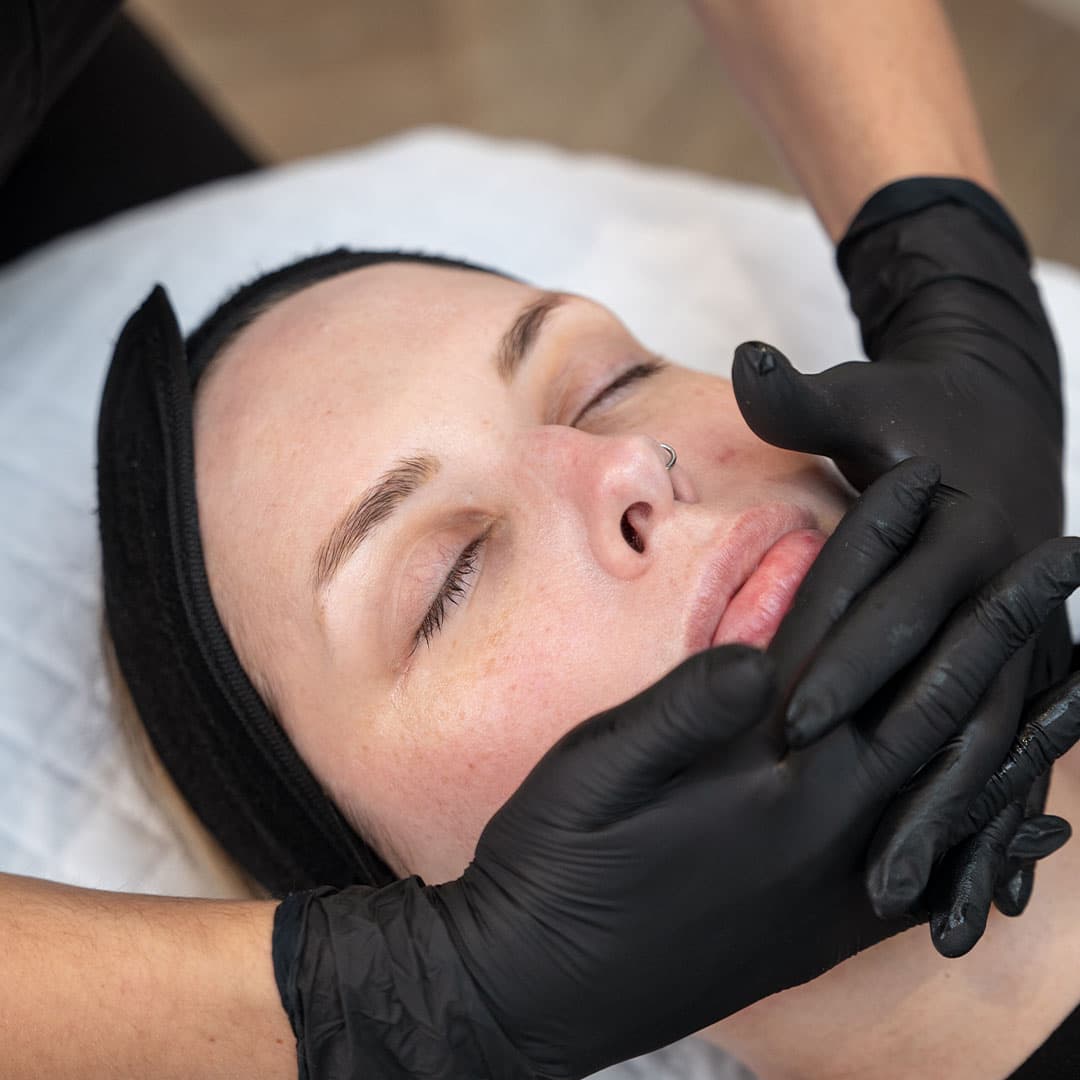
Contact the clinic if your skin is becoming more uncomfortable rather than gradually settling, or if you experience something that doesn’t match the recovery you’ve been advised to expect.
Redness, tightness, sensitivity, dryness and peeling can all occur as part of Dermamelan recovery.
However, significant or worsening redness, blistering, broken skin, signs of an allergic reaction or any other unexpected skin changes should be reviewed.
You should also get in touch if you’re simply unsure about what you’re experiencing.
Dermamelan continues for several months, so you aren’t expected to manage the process alone once you’ve left the clinic. The team can advise whether your skin is responding normally and whether any adjustments to your home-care routine are needed.
Dermamelan results develop gradually, with the first visible improvements in pigmentation, tone and clarity often beginning within two to four weeks. Your skin should then continue to change as you progress through the four-month programme. This is why it is important not to judge the treatment based solely on what happens during the initial peeling stage.
The amount and speed of improvement will vary depending on your skin and the pigmentation being treated. It is also important to be realistic about what happens afterwards. Dermamelan can significantly improve pigmentation, but that doesn’t necessarily mean it has disappeared permanently.
Melasma, in particular, is a chronic and often hormone-influenced condition that can recur. UV exposure and other triggers can also contribute to new pigmentation developing over time. Ongoing sun protection and appropriate skincare therefore remain important after the main Dermamelan programme has finished.

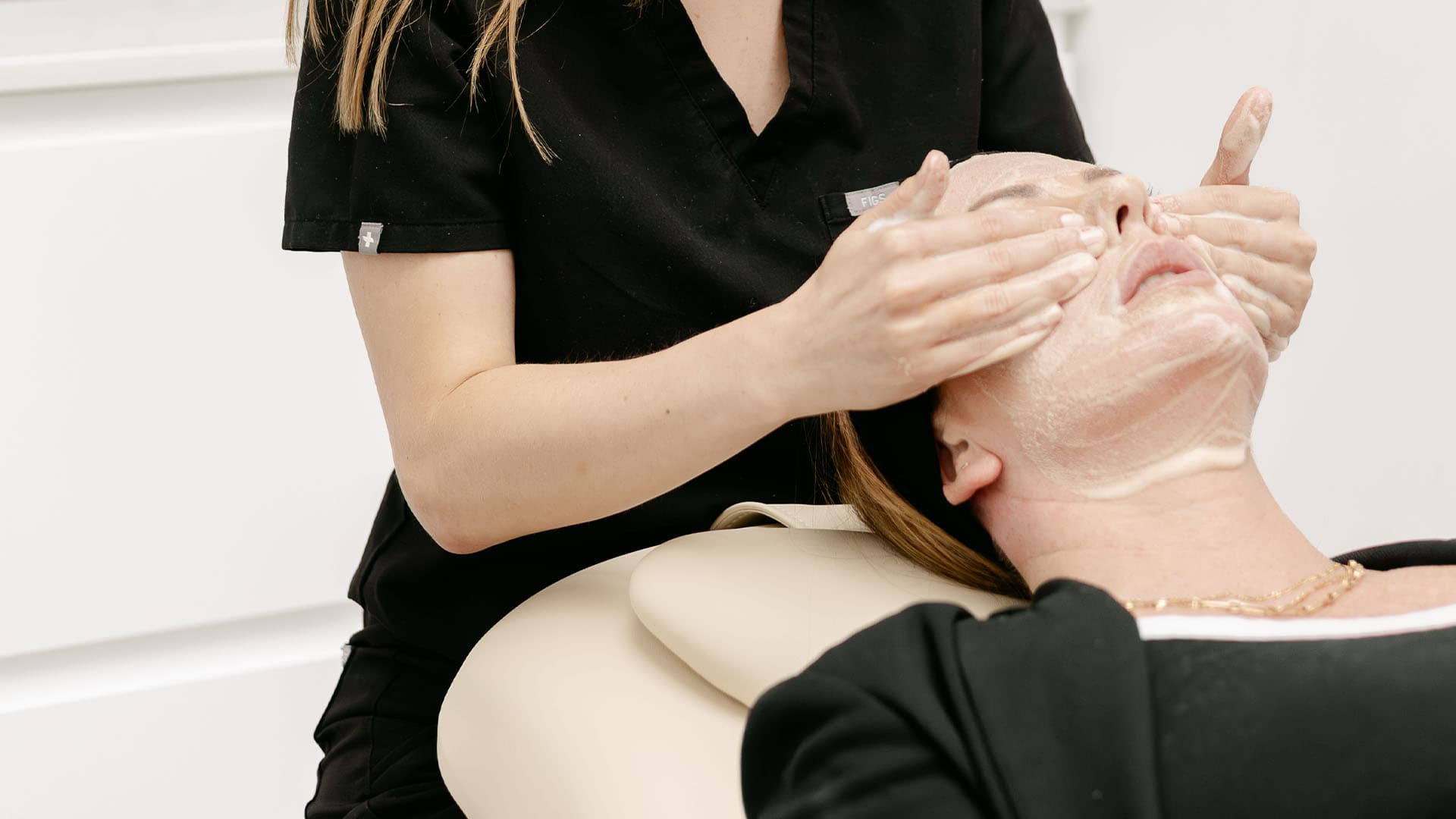
Visible Dermamelan peeling often begins around day three, with the most noticeable flaking usually settling within three to seven days. Lighter flaking can continue for longer, potentially for several weeks. Everyone’s skin responds differently, so the amount and duration of peeling vary.
Dermamelan commonly starts peeling at around day three after the in-clinic treatment. Before this, your skin may feel red, tight, warm or sensitive. However, the exact timing varies between patients.
It is best to avoid make-up while your skin is particularly red, sensitive or actively peeling. This is typically during the first three to seven days. Follow the specific instructions given by your clinical team, as your individual recovery may differ.
Gentle everyday activity is usually fine, but avoid strenuous exercise that causes significant heat or sweating during the early recovery period. Heat and sweat can irritate already sensitive skin, so follow your practitioner’s advice on when to return to your usual exercise routine.
Retinoids, exfoliating acids and other active ingredients such as vitamin C should be paused during the initial stages of treatment. They can overstimulate skin that is already sensitive from Dermamelan. Your practitioner will advise when and how to reintroduce them, typically once the initial irritation has settled.
The first visible improvements may begin within two to four weeks, with pigmentation continuing to improve throughout the four-month programme. Your individual results timeline will depend on your skin, the type of pigmentation being treated and how you respond.
Yes. Dermamelan can significantly improve pigmentation, but it cannot prevent every future trigger. Melasma in particular can recur because factors such as hormones and UV exposure continue to influence pigment production. Following your home-care plan and protecting your skin from the sun can help maintain your results.
Dermamelan recovery is about much more than the first week of peeling. The initial redness, sensitivity and flaking should gradually settle, while your pigmentation results continue to develop throughout the home-treatment phase.
Don’t worry if your skin doesn’t peel as dramatically as somebody else’s, and don’t try to speed the process up yourself. Follow your prescribed products, protect your skin from the sun and let the clinical team know if anything doesn’t look or feel as expected.
At L’Atelier Aesthetics, your Dermamelan programme begins with a consultation and skin assessment with Dr Duncan Brennand. Your treatment and home-care routine can then be tailored to your skin, with ongoing guidance as you move through the recovery and results process.
We welcome patients from across Marylebone, Mayfair, Fitzrovia, Regent’s Park, Soho, Knightsbridge, Belgravia, Chelsea and Kensington, as well as visitors travelling to London for specialist aesthetic and skin treatments. Our location benefits from excellent transport links, with Oxford Circus only a 13 minute walk away, Bond Street and Regent’s Park Underground stations are also both within easy reach. The clinic is also conveniently accessible from major London rail stations and Heathrow, Gatwick and London City airports thanks to the Elizabeth line, making visits straightforward for both UK and international patients.
Whether you are travelling from within London or further afield, our Harley Street clinic provides a calm, professional environment for personalised aesthetic and skin health treatments in one of the capital’s most respected medical locations.