Loose skin, volume loss or both? After weight loss, including with GLP-1 medication, the right treatment starts with an honest assessment. Here is where Sofwave and other options fit.
Loose facial skin after weight loss is rarely just one thing. For some people, the main change is laxity: the skin has lost its firmness and no longer sits as closely over the face. For others, it is volume loss, where the cheeks, temples or under-eye area look hollower than before. Often it is a combination of both, and the right treatment depends on which is driving the change you see in the mirror.
Whether your weight loss came through diet and exercise, surgery or GLP-1 weight-loss medication, the starting point is the same. At L’Atelier Aesthetics on Harley Street, every plan begins with an assessment rather than a device. This guide explains how we tell laxity and volume loss apart, where Sofwave and other non-surgical treatments fit, where their limits lie, and when a surgical opinion from our colleagues at 101 Harley Street may be the better place to start.
After weight loss, most facial changes fall into two groups, loose skin and volume loss, and many people have a mix of the two.
The distinction matters because the treatments are different. Tightening the skin will not replace lost volume, and restoring volume will not tighten skin that has lost its elasticity. Many patients benefit from addressing both, but in the right order.

A practitioner looks first at your goals, then at your skin quality, the degree of laxity, where volume has been lost and how your weight has changed.
At your consultation, we will ask what bothers you most and what you would like to change, because two people with similar faces can have very different priorities. We then look at:
Where helpful, we may use skin imaging and clinical assessment to support decisions and track progress over time. The aim is a clear picture of what is driving the change, so your plan is built around you rather than around a single treatment.
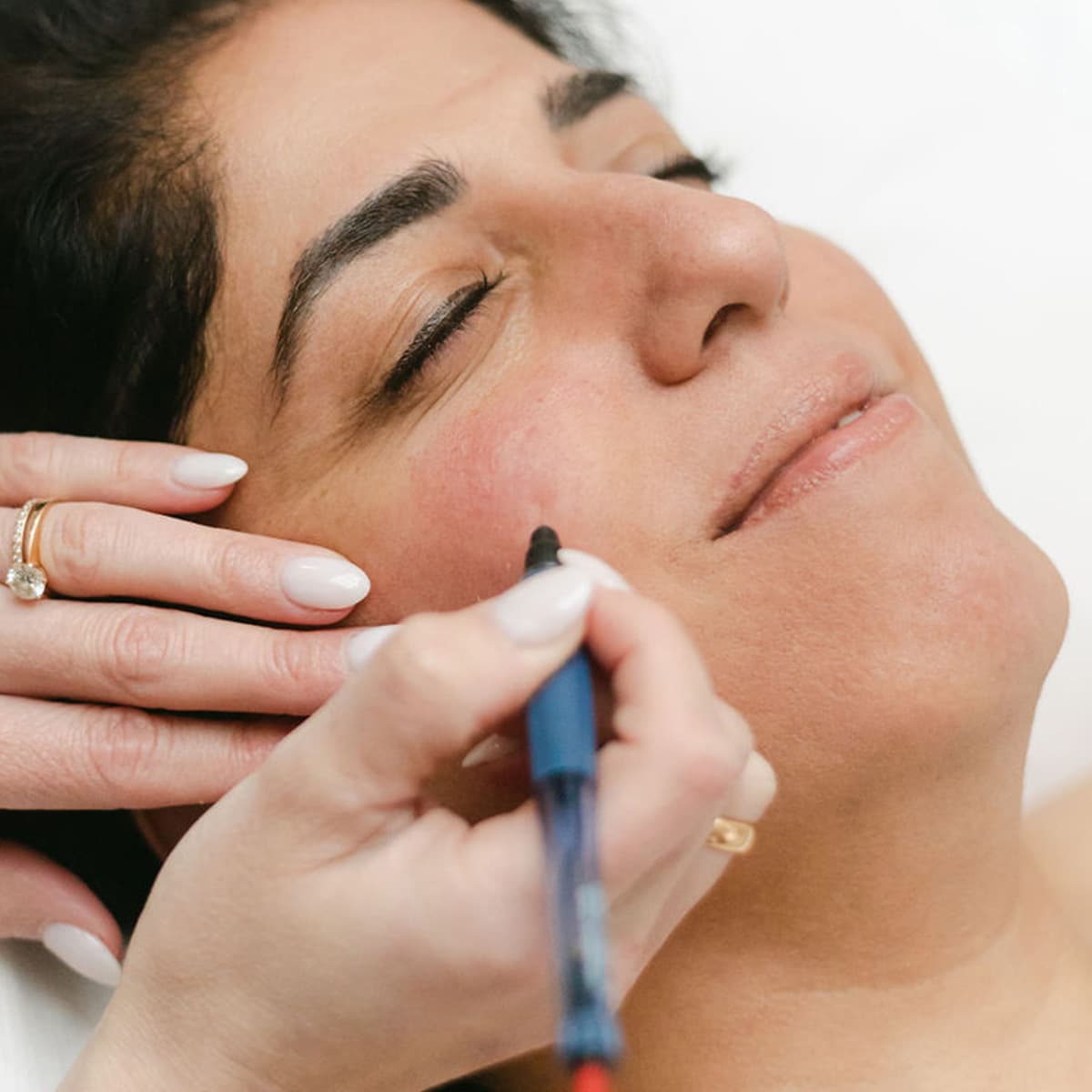
Non-surgical treatment is usually considered when laxity is mild to moderate, skin quality is reasonable and your weight has been stable for some time.
For laxity after weight loss, Sofwave is often where the conversation starts. It uses ultrasound energy to stimulate collagen in the dermis, gradually firming the skin over around 8 to 12 weeks, with little or no downtime. It tends to suit patients noticing early softening of the jawline, neck or brow, who want a natural-looking improvement rather than a dramatic change.
Depending on your assessment, other treatments may be considered alongside or instead of Sofwave. Morpheus8 combines microneedling with radiofrequency to improve skin texture and firmness, and FaceTite may be discussed where laxity in the lower face and neck is a little more pronounced. Where volume loss is part of the picture, dermal fillers can carefully restore support, and skin boosters can improve hydration and skin quality. Sofwave is one option within a wider conversation, not a default answer, and your plan may combine treatments over several months.
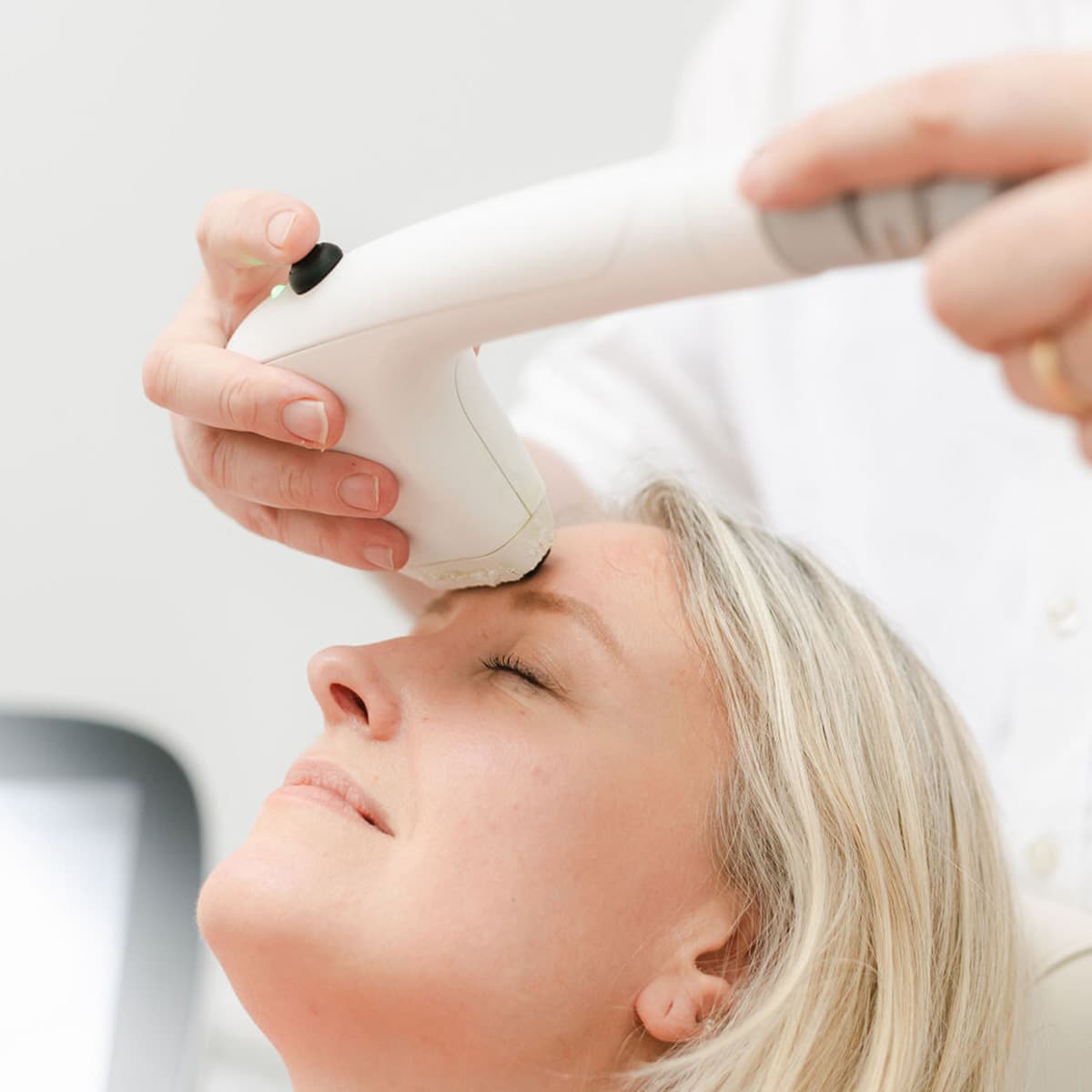
Non-surgical treatments can firm and refresh the skin, but they cannot remove excess skin or reposition deeper tissues that have descended significantly.
After substantial or rapid weight loss, some people are left with more skin than non-surgical treatment can realistically tighten. In these cases, energy-based treatments may give a subtle improvement, but not the change you are hoping for. Adding volume to compensate for heavy laxity can also leave the face looking overfilled rather than refreshed.
Being honest about these limits is part of a good consultation. If we feel non-surgical treatment is unlikely to meet your goals, we will tell you, and explain the alternatives.
A surgical consultation may be appropriate when there is significant excess skin, marked jowling or neck laxity, or when non-surgical treatment has not given the result you want.
Because L’Atelier Aesthetics is based within 101 Harley Street, we work alongside consultant plastic surgeons in the same building. If your assessment suggests surgery could help, we can guide you towards a consultation at 101 Harley Street. Depending on your concerns, this may cover a facelift, a deep plane facelift or an endoscopic facelift for the lower and mid face, a neck lift, or blepharoplasty where excess skin has gathered around the eyelids.
A surgical opinion is not a commitment to surgery. It simply gives you a full picture of your options, and some patients go on to combine surgery with non-surgical treatments that support skin quality afterwards.

Most practitioners recommend waiting until your weight has been stable for a period of time before treating loose facial skin, as further weight change can alter the result.
If you are still losing weight, your face may continue to change, so treatment carried out now may need adjusting later. Many clinicians suggest waiting until your weight has been stable for several months before planning more significant treatment, and this is particularly important before any surgery.
This applies however you have lost weight. If you are taking GLP-1 weight-loss medication, or plan to stop or change your dose, please tell us at consultation. Your prescriber remains responsible for your medication, and we will plan facial treatment around where you are in your weight-loss journey. In the meantime, treatments that focus on skin health and quality may still be appropriate, and your practitioner can advise on what makes sense at each stage.
Not on its own. Skin tightening treatments such as Sofwave work by stimulating collagen to firm the skin, but they do not replace volume that has been lost from the cheeks, temples or under the eyes. Where volume loss is part of the concern, treatments that restore support, such as carefully placed dermal fillers, may be considered alongside tightening. Your practitioner will assess which concern is more prominent and plan treatment in the right order.
In most cases, yes. If your weight is still changing, whether through lifestyle changes or GLP-1 medication, your face may continue to change too, which can affect the results of treatment. Many practitioners recommend waiting until your weight has been stable for several months before planning more significant treatment, especially surgery. A consultation can still be useful in the meantime, and some skin quality treatments may be appropriate earlier.
The choice depends on how much laxity you have, your skin quality, your goals and how much downtime suits you. Non-surgical treatment such as Sofwave tends to suit mild to moderate laxity and a preference for gradual, subtle change. Surgery is usually considered where there is significant excess skin or descent of deeper tissues. An honest assessment is the best place to start, and at 101 Harley Street you can access both non-surgical and surgical opinions under one roof.
It helps to bring details of your weight-loss journey, including how much weight you have lost, over what period and whether it is still changing. Please also share your medical history, any medication you take, including weight-loss medication, and details of previous aesthetic treatments. Photos from before your weight loss can be useful for understanding how your face has changed. Most importantly, come with a clear idea of what bothers you most, so we can focus on what matters to you.
Loose facial skin after weight loss is a common concern, and the right approach starts with understanding whether laxity, volume loss or both are behind the change. Sofwave and other non-surgical treatments can help in the right circumstances, and where surgery may serve you better, we will say so.
If you would like to talk through your options, the team at L’Atelier Aesthetics is here to support you
We welcome patients from across Marylebone, Mayfair, Fitzrovia, Regent’s Park, Soho, Knightsbridge, Belgravia, Chelsea and Kensington, as well as visitors travelling to London for specialist aesthetic and skin treatments. Our location benefits from excellent transport links, with Oxford Circus only a 13 minute walk away, Bond Street and Regent’s Park Underground stations are also both within easy reach. The clinic is also conveniently accessible from major London rail stations and Heathrow, Gatwick and London City airports thanks to the Elizabeth line, making visits straightforward for both UK and international patients.
Whether you are travelling from within London or further afield, our Harley Street clinic provides a calm, professional environment for personalised aesthetic and skin health treatments in one of the capital’s most respected medical locations.