By the team at L’Atelier Aesthetics and Checked by Dr Duncan Brennand, Lead Aesthetic Doctor at L’Atelier Aesthetics, 101 Harley Street
Julaine and dermal fillers are both injectable treatments, and both improve the appearance of the face. Beyond that, the comparison becomes more nuanced than most patients expect.
A dermal filler adds volume at the point of injection, on the day of treatment. Julaine works differently – it encourages the skin to rebuild its own firmness gradually over several months. They are not interchangeable, and the decision between them depends entirely on what is being treated and what outcome the patient is looking for.
At L’Atelier Aesthetics, 101 Harley Street, Dr Duncan Brennand performs both treatments personally. This guide sets out how the two differ, who each is suited to, and how they work together when both are part of the plan.
For patients with a specific area they want to fill or define – a hollow under the eye, flat cheeks, thin lips – dermal filler is the more appropriate starting point. It places volume precisely where it is needed and the result is visible immediately.
For patients whose concern is a more general loss of firmness and definition across the lower face, Julaine is typically the stronger answer. Rather than targeting a specific hollow, it addresses the underlying loss of skin quality that produces the softened appearance. For many patients, the right plan combines both – in the correct order.
Dermal filler is a gel injected directly into the face to add volume. The effect is immediate – the result is visible as soon as treatment is complete, with any minor swelling settling within a day or two. Fillers typically last 12 to 18 months depending on the product and the area treated, and they can be dissolved quickly if needed. That reversibility is a meaningful clinical advantage.
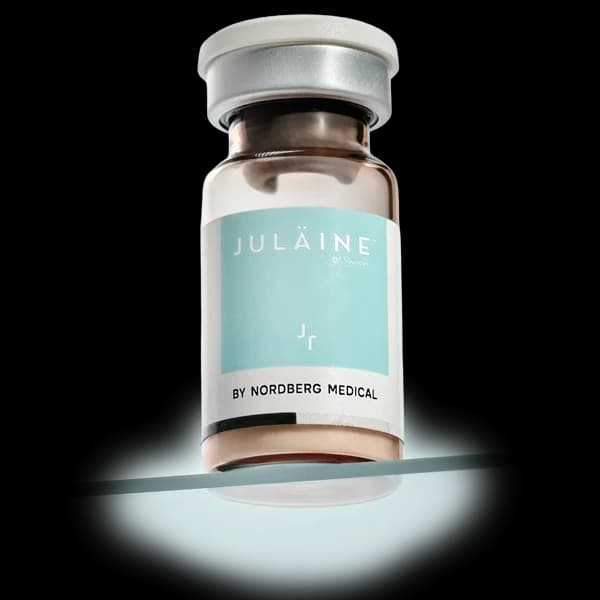
Julaine is a biostimulator. It softens the skin on the day of treatment, producing an immediate improvement, but its primary effect develops over the following weeks and months as the skin responds by producing new collagen. That collagen is what delivers the firming and lifting effect over time. The product itself is eventually absorbed by the body, leaving behind the structural improvement the skin has built in response to it.

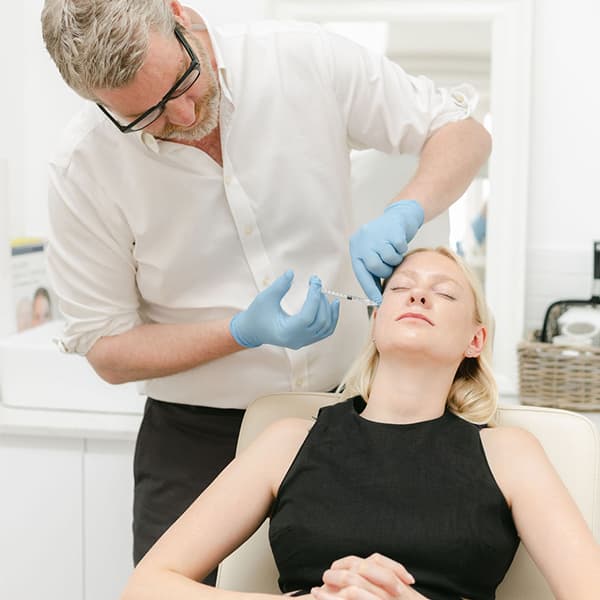
Dermal filler is well suited to patients with defined, localised concerns – flat or deflated cheeks, hollowing under the eyes, volume loss around the mouth, a weak chin or an underdefined jawline. It is also appropriate where an immediate result is the priority.
Julaine is better suited to patients whose concern is more diffuse – early jowling, softening along the jawline, a general loss of structure and firmness across the lower face. It is also a good fit for patients who want improvement that develops gradually rather than an overnight change. Patients in their forties and fifties tend to respond particularly well, as the skin is still capable of producing a meaningful collagen response when given the right stimulus.
Reversibility is the most practically significant difference in this comparison. Dermal filler can be dissolved within 24 hours if the patient is unhappy or if a complication arises. Julaine cannot be dissolved – it is absorbed by the body naturally over its duration, and the result remains with the patient throughout. That requires a more considered and experienced approach at the point of treatment, which is why at L’Atelier Aesthetics Dr Brennand always begins conservatively and builds gradually.
In practice the two treatments complement each other well. A common plan for a patient in their mid-forties is Julaine first – to rebuild firmness over three to four months – followed by small, specific amounts of filler to address any localised hollowing that remains. Leading with filler alone in that patient can add volume without addressing the underlying loss of skin quality, which often produces a result that appears slightly at odds with the face.
| Variable | Julaine | Dermal filler |
|---|---|---|
How it works | Stimulates the skin to build new collagen | Adds volume to specific areas |
When you see results | Softening on the day, full result at 3 to 4 months | Immediate |
Duration | 12 to 18 months | 6-12 months |
Reversible | No | Yes |
Best for | Overall firmness, skin tightening, skin quality | Volumisation, defining, contouring |
With dermal filler, the effect is typically visible straight away, although some initial swelling can soften the result for the first couple of days. As the treatment settles, the final outcome is usually clearer within the first week. Most fillers last between 12 and 18 months, although this varies depending on the product, the treatment area and how quickly your body metabolises it. More mobile areas, including the lips, often break down sooner than areas such as the cheeks.
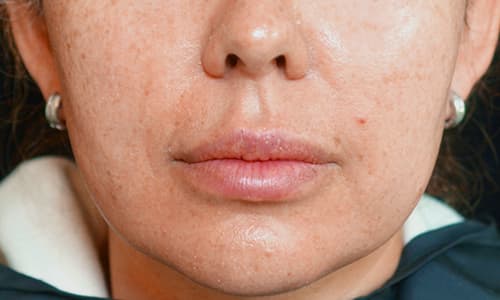
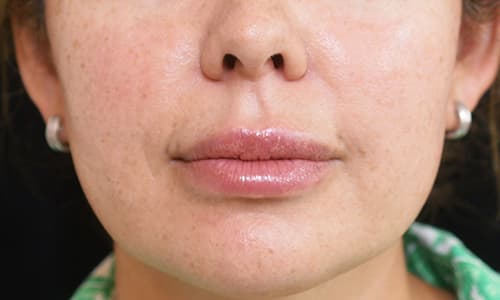
Julaine delivers its result more gradually. While there may be an initial improvement in skin texture or softness after treatment, the real benefit builds over time as the skin responds by producing new collagen. Most patients see progressive improvement over the following two to three months, with the full effect often becoming more apparent by three to four months after the second session. Results typically last around 12 to 18 months, with maintenance treatment helping to prolong and preserve the outcome.
“The question I ask patients is: do you want to look different, or do you want your face to look like a better-rested version of itself? Filler is often the right answer to the first. Julaine is almost always the right answer to the second. And for patients who want both, the order matters. Julaine first, filler to refine afterwards – never the other way around.”
Dr Duncan Brennand, Lead Aesthetic Doctor, L’Atelier Aesthetics
At L’Atelier Aesthetics, Dr Brennand personally delivers every Julaine and every filler treatment. Injectable work is not delegated. Planning, dosing and placement all sit with the doctor.
L’Atelier Aesthetics is a doctor-led clinic at 101 Harley Street, London. Every injectable treatment begins with a clinical consultation with Dr Duncan Brennand, who assesses the face, identifies the presenting concern and determines the most appropriate treatment – or combination – before any procedure takes place.
Dr Brennand is a GMC-registered aesthetic doctor with over a decade of experience on Harley Street. His GMC reference number is 4341662, verifiable on the GMC medical register. Patients are encouraged to verify this before booking injectable treatment anywhere.
The clinic is at 101 Harley Street, London W1G 6AH, a short walk from Bond Street, Oxford Circus and Regent’s Park underground stations.
Neither is better overall as they do different jobs. Julaine is better for overall firmness, skin tightening and skin quality. Dermal filler is better for specific concerns like flat cheeks, hollow temples, dark circles under the eyes or increasing lip volume. Dr Brennand will advise at consultation based on what you are trying to treat.
Yes, and most longer-term plans involve both. Julaine is usually done first to build the collagen foundation over three to four months, then filler is added in small, specific amounts to refine what remains. Dr Brennand sequences the two so they work together rather than against each other.
Julaine results typically last 12 to 18 months after a full course of one to two treatments. A single top-up at around 12 months keeps the benefit going.
No. Unlike dermal filler, Julaine cannot be dissolved. It is absorbed by the body naturally over 12 to 18 months. At L’Atelier Aesthetics, Dr Brennand always starts conservatively and builds gradually, so patients can always add more but are rarely in a position of wanting less.
For early jowling, Julaine is usually the first choice because it rebuilds firmness along the jawline rather than masking the softening with volume. For more advanced jowling, a combination of Julaine, filler and an energy-based tightening treatment often works best.
Julaine and filler are both priced per treatment.
Julaine starts from £1000*
HA Dermal fillers start from £325*
We welcome patients from across Marylebone, Mayfair, Fitzrovia, Regent’s Park, Soho, Knightsbridge, Belgravia, Chelsea and Kensington, as well as visitors travelling to London for specialist aesthetic and skin treatments. Our location benefits from excellent transport links, with Oxford Circus only a 13 minute walk away, Bond Street and Regent’s Park Underground stations are also both within easy reach. The clinic is also conveniently accessible from major London rail stations and Heathrow, Gatwick and London City airports thanks to the Elizabeth line, making visits straightforward for both UK and international patients.
Whether you are travelling from within London or further afield, our Harley Street clinic provides a calm, professional environment for personalised aesthetic and skin health treatments in one of the capital’s most respected medical locations.