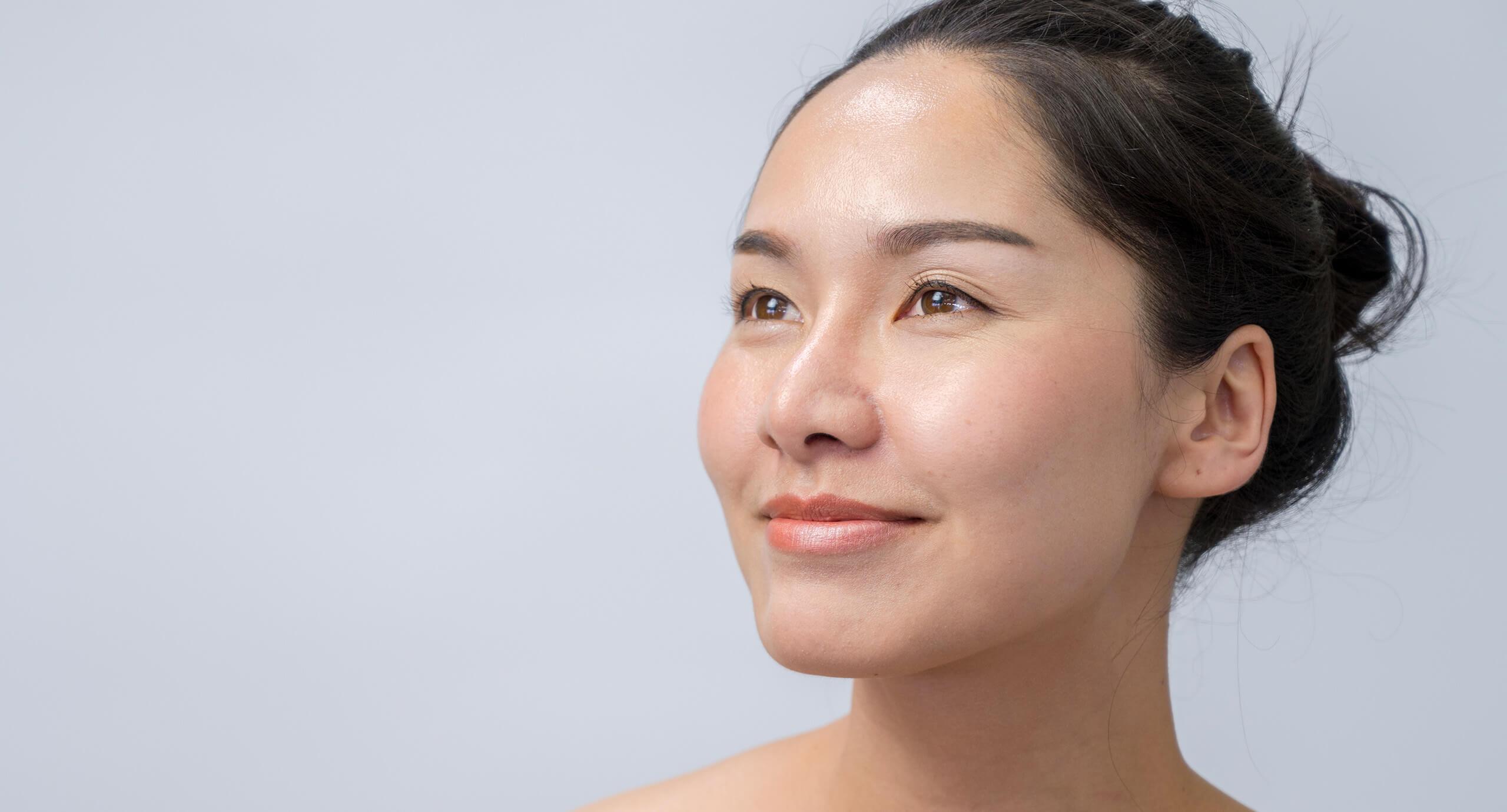
Dull skin is often a combination of surface build-up, dehydration, congestion and uneven pigmentation rather than one problem. The most suitable treatment depends on which factor is responsible and how soon you want to see a change. HydraFacial can offer a quick refresh, while peels, SkinPen and skin boosters suit different concerns and timelines.
Party season tends to make skin texture more noticeable, particularly under make-up or bright indoor lighting. At L’Atelier Aesthetics, the starting point is not simply finding a treatment advertised for glow. It is understanding why the skin is reflecting light unevenly.
If the skin looks temporarily lacklustre because it is congested or dehydrated, a HydraFacial may be a sensible short-term option. Uneven pigmentation or persistent roughness may call for a peel. SkinPen is more relevant when texture and fine lines are the priorities, while skin boosters may suit selected people whose skin quality and hydration need longer-term support.
None of these is universally the best treatment. A gentle facial will not erase established pigmentation, and a deeper procedure may be unnecessary when a simple barrier-supporting routine would resolve the problem.
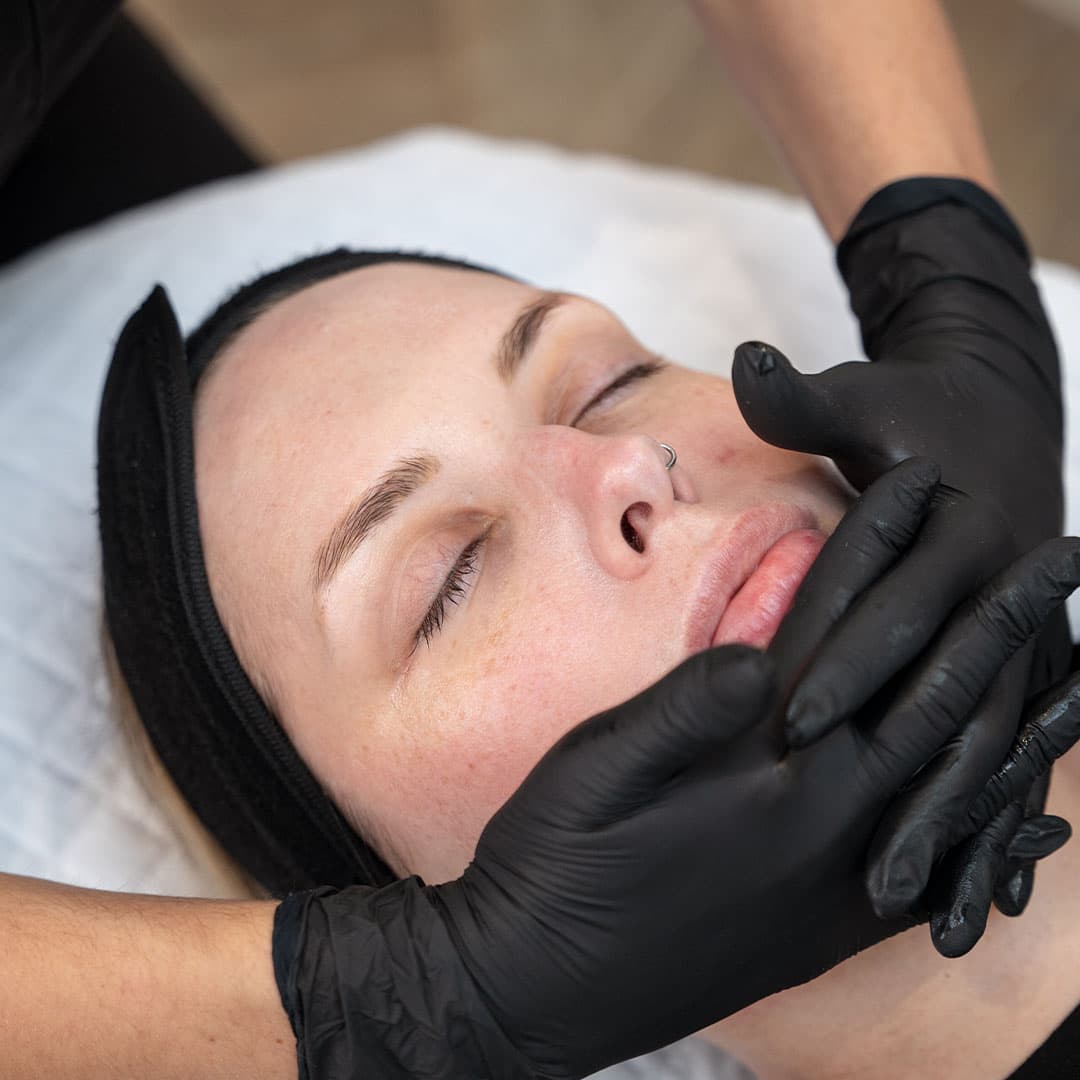
Healthy-looking skin reflects light relatively evenly. When the surface is dry, rough or uneven in tone, light scatters differently and the complexion can appear flat. Several everyday changes contribute during colder months.
The same appearance can arise from different causes. Someone with pigment does not necessarily need the same treatment as someone whose skin is dry but otherwise even. A clinical skin assessment can explore the pattern, while OBSERV skin imaging may help reveal features that are less obvious in ordinary lighting.

| Concern | Treatment | What to know |
|---|---|---|
| Quick surface refresh | HydraFacial | Combines cleansing, exfoliation and hydration-oriented steps. It may suit skin that feels congested or temporarily flat, especially when the priority is an event rather than a long programme. The difference is often more about a refreshed appearance than a structural change. |
| Uneven tone and roughness | The Perfect Peel | May be considered when controlled exfoliation is appropriate. It requires a genuine recovery period because visible peeling can occur for much of the first week. The treatment is not a last-minute facial. |
| Persistent texture | SkinPen microneedling | Uses controlled needling to encourage skin renewal. It can be more relevant when pores, fine lines or selected superficial scars are making the complexion look irregular. Improvement develops over weeks and may require a course. |
| Dry-looking, crepey skin quality | Skin boosters | May help selected people where hydration and skin quality are leading issues. They do not replace volume and should not be expected to resolve dark patches or deeper laxity. |
| Selected skin-renewal concerns | Regen3 Complex | Whether this is appropriate depends on the clinical indication, so it should not be assumed to be a shortcut to the same result as a peel or HydraFacial. |
Active dermatitis, infection, a disrupted barrier, a history of significant pigmentation after injury or other contraindications may mean delaying a procedure. The clinic should establish suitability before choosing the treatment calendar.
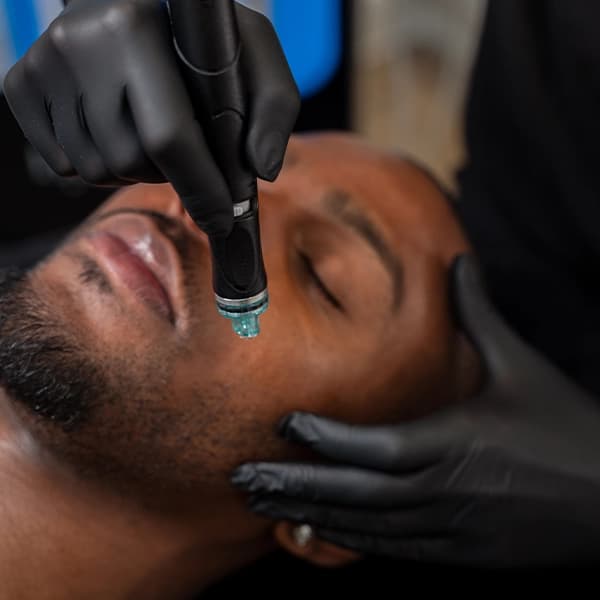
For illustration, these booking windows assume an important event in mid-December. They are planning buffers rather than guaranteed recovery dates.
A HydraFacial is not necessarily the right choice if the main issue is stubborn pigment. Equally, booking a peel a few days before an event creates unnecessary pressure. The clinic’s article on how long HydraFacial results last addresses the separate question of maintenance rather than which concern it treats.
| Treatment | Better suited to | Typical downtime | Event planning |
|---|---|---|---|
The Perfect Peel | Uneven tone and rough surface | Peeling commonly over days two to seven | Two weeks minimum; three to four preferred |
SkinPen | Texture, pores and some fine lines | Redness and sensitivity for a few days | Allow one to two weeks or longer |
Skin boosters | Selected hydration and skin-quality concerns | Possible temporary injection marks | Plan several weeks ahead |
In the first few days: a HydraFacial may leave skin feeling smoother and appearing fresher, subject to individual response. Consistent moisturising and sun protection can also help a dehydrated barrier look and feel more comfortable.
During the first week after a peel: The Perfect Peel may produce tightness followed by visible peeling. It is too early to judge the final result while the surface is shedding. Leave the skin alone and follow the aftercare precisely.
Over the following weeks: SkinPen results develop gradually as the skin responds to treatment. One session should not be confused with the outcome of a full recommended course.
Across a longer plan: injectable skin-quality treatments may have a more gradual response, requiring review and potentially further sessions. If the intended improvement depends on collagen or a series of treatments, the best booking date is earlier than the last available appointment.
These windows are especially relevant when deciding between a short-term cosmetic refresh and a course intended to change the underlying texture or skin quality.
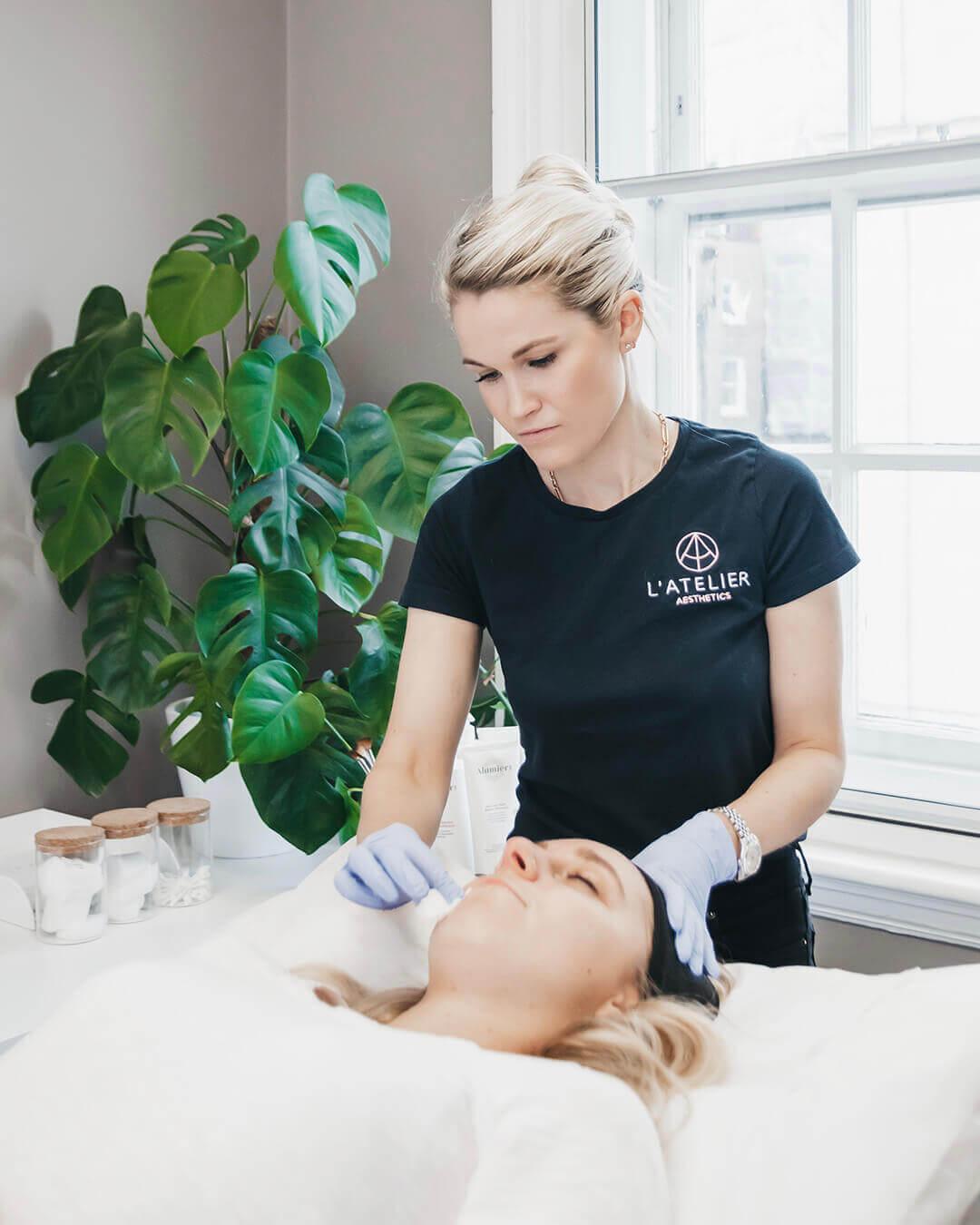
A well-chosen treatment is easier to maintain when everyday skincare is not working against it. Winter can encourage over-cleansing and aggressive exfoliation, particularly when skin feels rough, but those habits can worsen irritation.
The best home-care advice depends on whether your skin is oily, dry, sensitive or prone to pigment. The team may suggest suitable products within the clinic’s AlumierMD skincare range after assessing your skin and current routine.
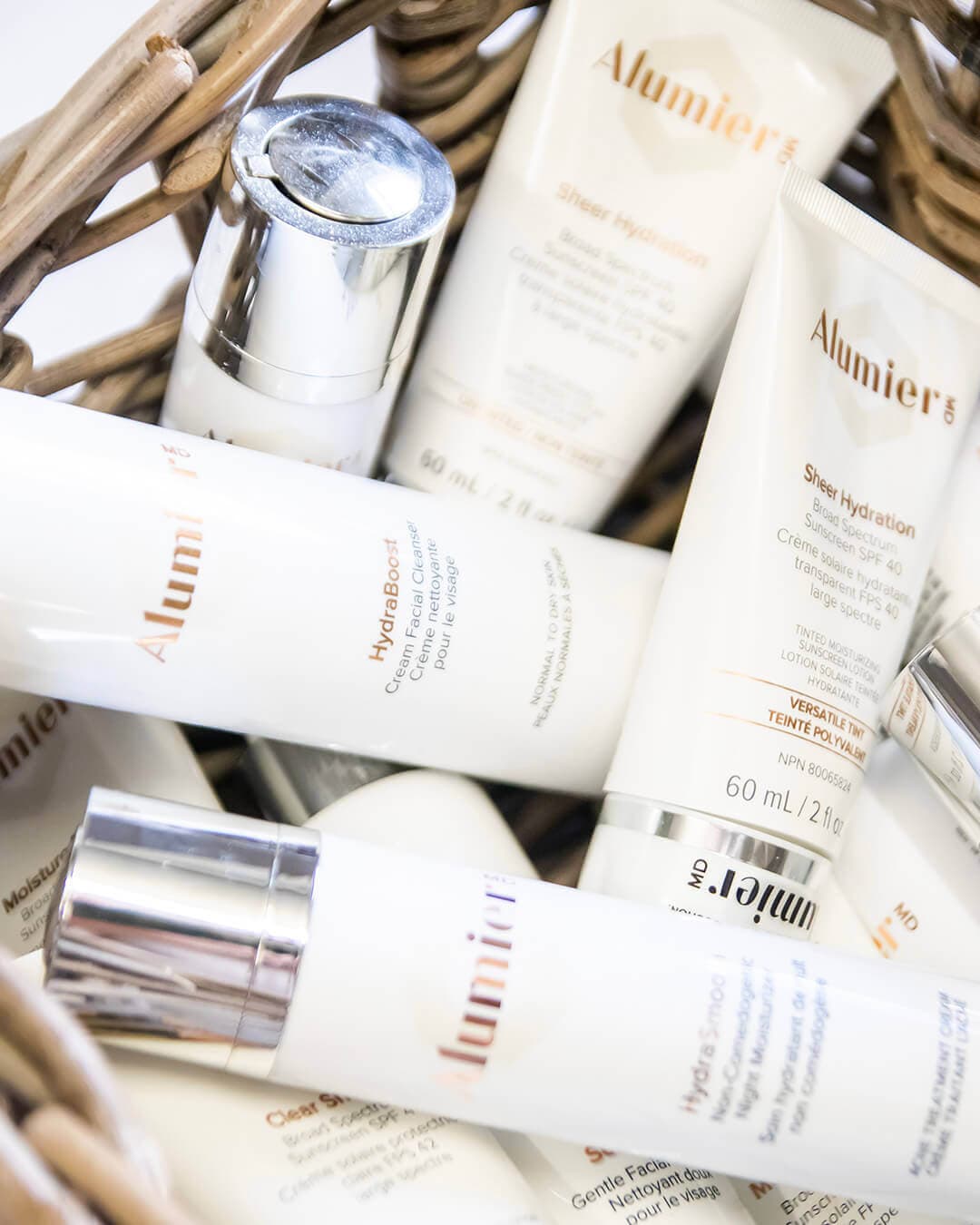
At L’Atelier, the assessment considers the appearance of the skin and its underlying causes. Bronte Bell and Kate Varga are among the team providing HydraFacial, with SkinPen and peel procedures delivered by appropriately trained practitioners after consultation. Dr Duncan Brennand administers injectable skin booster treatments.
This distinction matters because a skin concern is not a shopping list. A medical assessment can identify when dullness is linked to pigmentation, inflammation or another condition, while the treating practitioner guides the practical steps and aftercare.
The simplest answer may involve improving the home routine first. Skin that is already irritated or dehydrated does not necessarily benefit from a more aggressive peel, and choosing a treatment to meet a party deadline should never override suitability.
Dull skin is not always a sign that you need a stronger procedure. The right response may be better hydration, careful exfoliation or a targeted treatment for texture or pigment. If you are planning for party season, L’Atelier’s clinic team can help match your concern to a realistic treatment and recovery window.

A HydraFacial may give skin a refreshed appearance shortly after treatment, particularly when congestion or dehydration contributes to dullness. Results vary and it does not replace treatment for persistent pigmentation.
It may be useful where dullness is associated with uneven tone, superficial texture or sun-related discolouration. It requires several days of peeling, so it is not ideal immediately before an event.
SkinPen may help when dullness is partly due to uneven texture or fine lines. Its effects develop gradually and it is less suitable as a last-minute pre-party procedure.
They can be considered for selected skin-quality and hydration concerns. They are not the answer to every cause of dullness, and suitability depends on medical assessment.
HydraFacial starts at £95.
Frequency depends on your skin, goals and other treatments. Some people choose periodic maintenance, while others benefit more from changing their skincare or treating a different underlying concern.
We welcome patients from across Marylebone, Mayfair, Fitzrovia, Regent’s Park, Soho, Knightsbridge, Belgravia, Chelsea and Kensington, as well as visitors travelling to London for specialist aesthetic and skin treatments. Our location benefits from excellent transport links, with Oxford Circus only a 13 minute walk away, Bond Street and Regent’s Park Underground stations are also both within easy reach. The clinic is also conveniently accessible from major London rail stations and Heathrow, Gatwick and London City airports thanks to the Elizabeth line, making visits straightforward for both UK and international patients.
Whether you are travelling from within London or further afield, our Harley Street clinic provides a calm, professional environment for personalised aesthetic and skin health treatments in one of the capital’s most respected medical locations.