
HydraFacial results are visible straight away for many people, with skin often looking brighter, smoother and more hydrated after just one treatment. How long that fresh glow lasts varies from person to person, while regular treatments can help maintain the benefits over time. You don’t necessarily need a HydraFacial every month to enjoy the best of the benefits.
So, how often should you actually have a HydraFacial? That depends on your skin, what you want to improve and whether you’re planning a one-off treatment or looking for ongoing maintenance.
One of the main appeals of HydraFacial is that you can usually see a difference immediately after treatment.
HydraFacial combines cleansing, exfoliation, extraction and hydration in one appointment. As a result, skin can look fresher and more radiant straight away, while also feeling smoother and better hydrated.
How noticeable that change is depends on your starting point. If your skin is particularly dull, dehydrated or congested, the difference may be more obvious. If you already have a consistent skincare routine and relatively balanced skin, the result may be subtler.
Your goals matter too. Someone treating congestion may judge their HydraFacial results differently from someone who simply wants their skin to look fresh and glowing before an event.
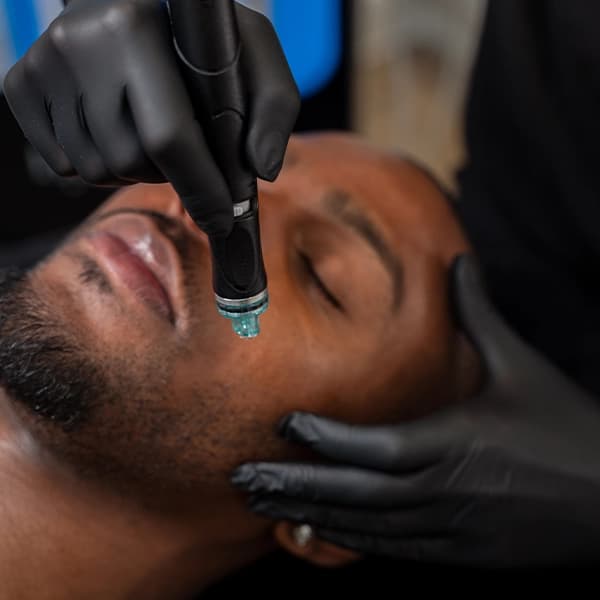
The visible HydraFacial glow may be most noticeable in the days following treatment, while improvements in hydration, smoothness and congestion can last longer. There isn’t one set duration because the different benefits fade at different rates.
It can help to think about your results separately:
| HydraFacial benefit | What to expect |
|---|---|
| Glow and radiance | Often most noticeable soon after treatment before gradually fading. |
| Hydration | Skin may continue to feel softer and more hydrated after the initial glow settles. |
| Smoothness | Exfoliation can leave the skin feeling smoother until dead skin cells gradually begin to build up again. |
| Congestion | Extraction can clear existing congestion, although oil and debris will naturally begin to accumulate again over time. |
| Ongoing skin quality | Regular treatments can form part of a longer-term skincare plan where appropriate. |
Your baseline skin condition, home skincare and lifestyle all influence how long you notice the benefits.
So, rather than thinking of your HydraFacial results as something that suddenly “wears off”, it is more accurate to think of the skin gradually returning to its usual cycle.


HydraFacial results aren’t permanent because your skin never stops changing.
Skin cells continually renew, while your sebaceous glands keep producing oil. Dead skin cells, make-up, skincare products and everyday environmental exposure can also contribute to congestion and dullness over time.
Your lifestyle can make a difference too. Sun exposure, dehydration and an unsuitable skincare routine may all affect how your skin looks and feels between treatments.
None of this means your HydraFacial has stopped “working”. It simply means the skin you treated continues to function and renew itself afterwards.
A good home routine can help maintain the benefits, while further HydraFacials can be scheduled when they genuinely add something to your skin rather than simply because a certain amount of time has passed.
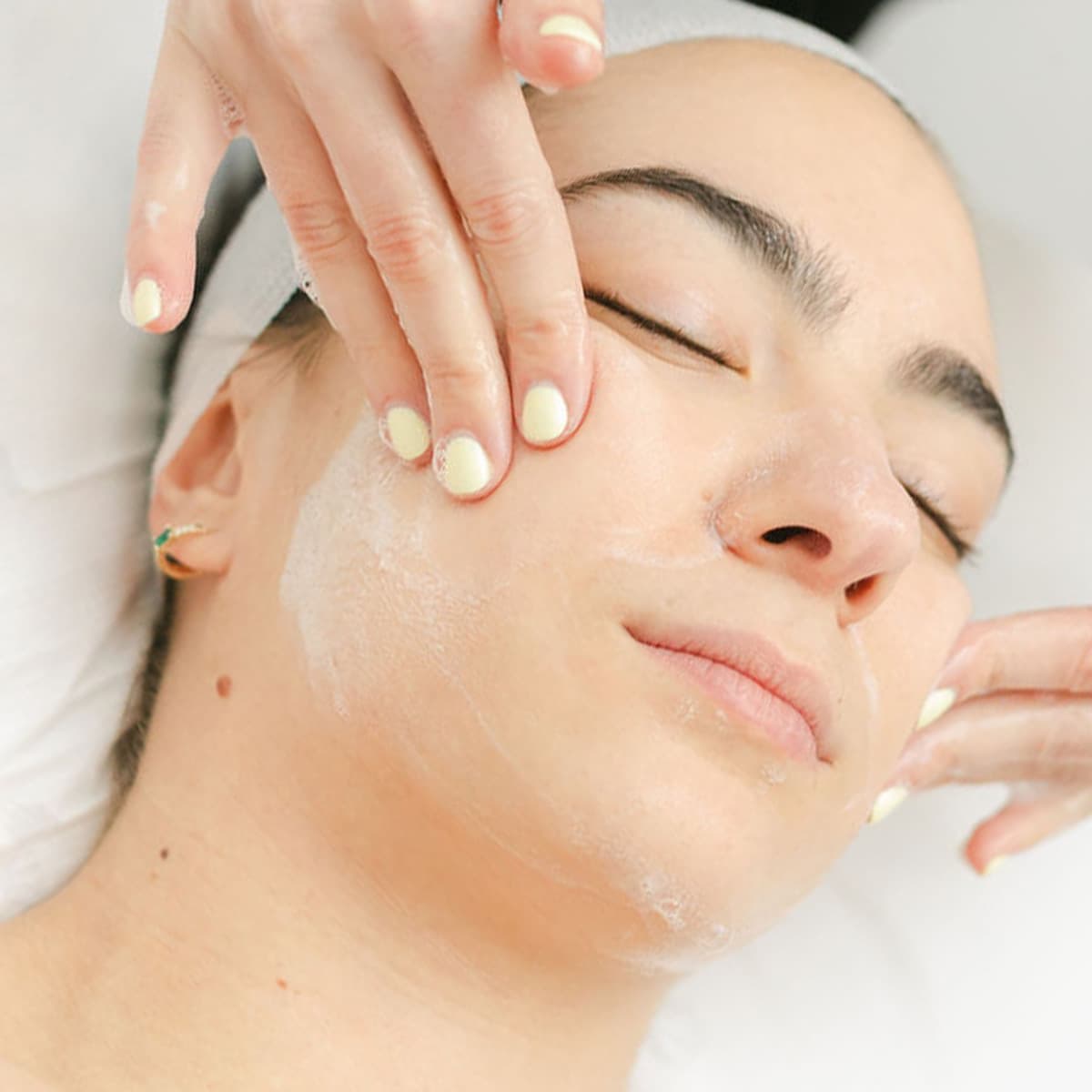
There is no ideal HydraFacial frequency that applies to everyone. You might have one as a standalone treatment, book them regularly for maintenance or follow a more personalised schedule to address a particular concern.
If you simply want brighter, fresher-looking skin before an occasion, one treatment may be all you’re looking for.
Alternatively, regular HydraFacials can be useful if congestion, dehydration or dullness tends to return over time. How closely you space those appointments should depend on how your skin responds.
If you’re working towards a particular skin goal, your HydraFacial schedule may also form part of a wider treatment or skincare plan.
At L’Atelier Aesthetics, your skin can be assessed before deciding how frequently treatment is worthwhile. Where appropriate, an OBSERV skin analysis can also provide a closer look at concerns that aren’t always obvious from the surface alone.
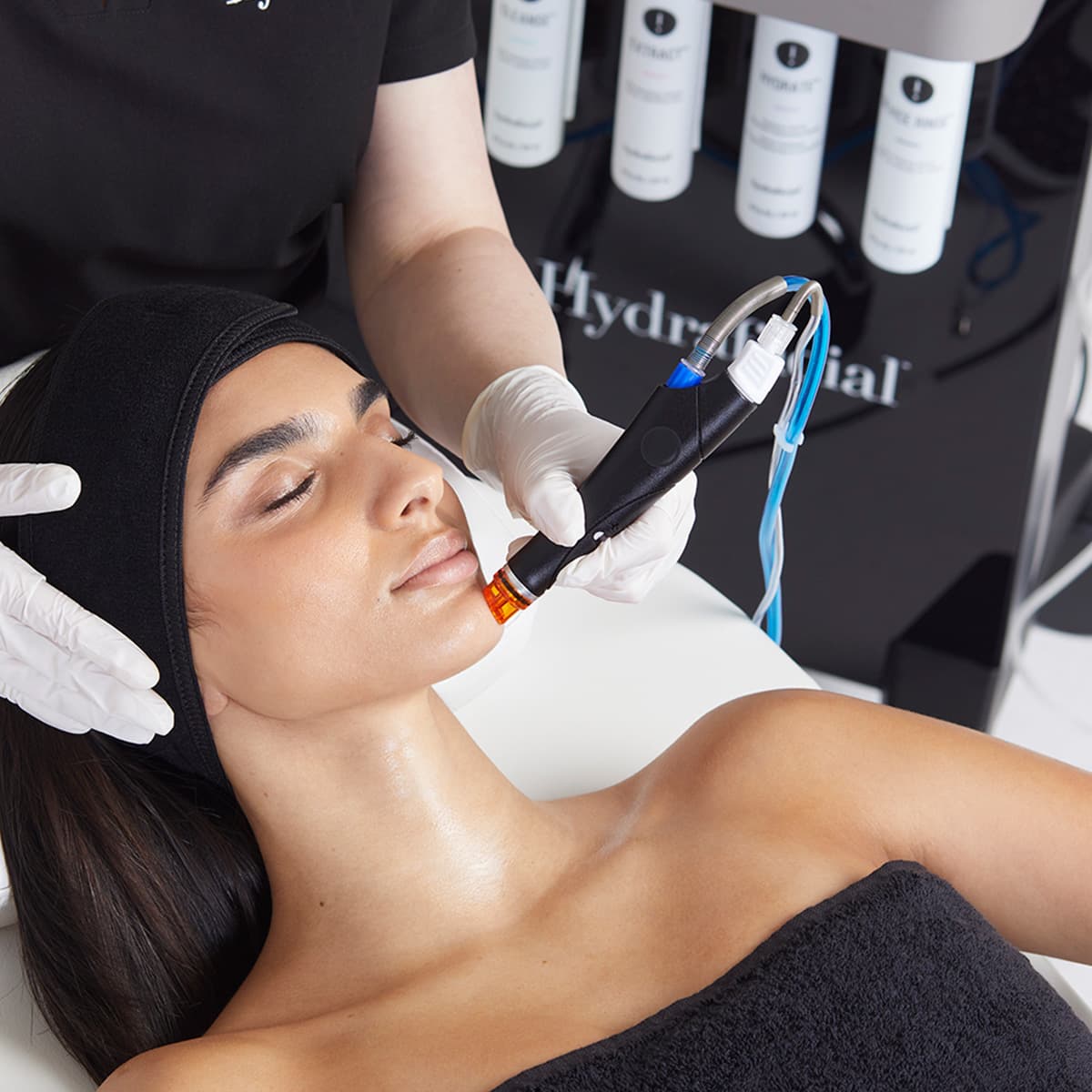
No. You do not need to have a HydraFacial every month simply because monthly treatments are commonly advertised.
For some people, regular treatments can be a useful way to manage recurring congestion, dehydration or dullness. Others may find their skin stays balanced for longer and prefer more occasional appointments.
Your routine outside the clinic matters as well. Someone with a well-suited skincare routine may have different maintenance needs from someone struggling with persistent congestion or dehydration.
The important question isn’t whether it has been four weeks since your last appointment. It is whether another treatment would benefit your skin at that point.
A personalised approach also helps avoid treating the skin more frequently than necessary.
For an important event, it is usually better to have your HydraFacial a few days beforehand rather than trying the treatment for the first time immediately before the occasion.
HydraFacial is popular before weddings, parties and photographs because skin can look brighter and more hydrated soon after treatment. However, everyone’s skin responds slightly differently.
If you have never had one before, it can be sensible to try HydraFacial well ahead of your event first. You’ll then know how your skin responds and when you personally think it looks its best.
For a wedding or another occasion where photographs really matter, your practitioner can help you plan the timing rather than relying on a generic “perfect” number of days.
This becomes even more useful if you’re considering several treatments in the months before the event. They can then be planned as part of a wider skincare programme instead of being squeezed into the final few weeks.


A simple, consistent skincare routine can help you maintain the smoothness, hydration and radiance you notice after HydraFacial.
| Aftercare tip | Why it helps |
|---|---|
| Wear SPF every day | Protecting your skin from UV exposure helps maintain overall skin quality and reduces unnecessary damage. |
| Keep your skin hydrated | Use moisturising products that suit your skin rather than adding lots of new products immediately after treatment. |
| Follow a consistent routine | Your results are more likely to be supported by sensible daily skincare than occasional bursts of intensive treatment. |
| Use active ingredients appropriately | Retinoids, exfoliating acids and other actives can be useful, but more isn’t always better. Your practitioner can advise which products make sense for your skin and when to restart them after treatment. |
| Don’t over-exfoliate | HydraFacial already includes exfoliation. Adding unnecessary scrubs, acids or other exfoliating treatments can irritate the skin rather than prolong your glow. |
Ultimately, maintaining good skin isn’t about trying to preserve one HydraFacial indefinitely. It is about supporting your skin consistently between appointments.

Yes, HydraFacial can form part of a wider treatment plan, but the right combination and timing depend on your skin and the other treatments you’re considering.
For example, HydraFacial may be used to support general skin health while another treatment addresses a more specific concern. However, that doesn’t mean every treatment should be performed together or close to the same date.
If you’re considering several treatments, your practitioner can recommend the safest order and spacing between them. This is particularly important before a major event, when trying to fit too much into a short period can be counterproductive.

The fresh HydraFacial glow is often most noticeable during the days after treatment before gradually fading. Exactly how long you notice it depends on your skin condition, home skincare and lifestyle.
It can be. One HydraFacial may be enough if you want a one-off boost in hydration and radiance. If you’re trying to manage an ongoing concern such as congestion or maintain your results, regular treatments may be more appropriate.
You can have regular HydraFacials if they are appropriate for your skin, but monthly treatment isn’t automatically necessary. Your ideal frequency depends on your skin condition, goals and how long you notice the benefits between appointments.
Booking a few days before an event gives your skin some time to settle while keeping the treatment close to the occasion. If you’ve never had a HydraFacial before, consider trying one well ahead of an important event so you know how your skin responds.
HydraFacial typically involves minimal downtime, and many people return to their usual activities afterwards. However, some temporary redness or sensitivity can occur. Your practitioner will explain what to expect based on your skin and treatment.
Your practitioner can advise when to apply make-up after your HydraFacial based on your skin and the treatment performed. If possible, you may prefer to leave your skin make-up free for a while afterwards rather than applying products immediately.
There is no rule that says good HydraFacial results depend on having treatment every month. Some people enjoy regular maintenance, while others book occasionally when their skin needs a refresh.
The best schedule is one that responds to your skin rather than the calendar.
At L’Atelier Aesthetics, your practitioner can assess your skin, discuss what you want to improve and recommend how HydraFacial could fit into your wider routine. If you’re planning for a wedding or another important event, the team can also help you time your treatments so your skin has the chance to look its best when it matters.
We welcome patients from across Marylebone, Mayfair, Fitzrovia, Regent’s Park, Soho, Knightsbridge, Belgravia, Chelsea and Kensington, as well as visitors travelling to London for specialist aesthetic and skin treatments. Our location benefits from excellent transport links, with Oxford Circus only a 13 minute walk away, Bond Street and Regent’s Park Underground stations are also both within easy reach. The clinic is also conveniently accessible from major London rail stations and Heathrow, Gatwick and London City airports thanks to the Elizabeth line, making visits straightforward for both UK and international patients.
Whether you are travelling from within London or further afield, our Harley Street clinic provides a calm, professional environment for personalised aesthetic and skin health treatments in one of the capital’s most respected medical locations.