
Dermal fillers can be worth it when facial volume loss or a lack of definition is the concern, and treatment is planned conservatively. They are less worthwhile when skin laxity is the main issue. At L’Atelier Aesthetics on Harley Street in London, Dr Duncan Brennand considers whether carefully placed filler will genuinely improve facial balance, rather than simply adding volume.
The decision starts with whether the change you want is achievable with filler, whether you are comfortable with the maintenance, and whether another treatment would serve you better.
This guide explains how hyaluronic acid fillers work, who they suit, how they compare with skin boosters, Julaine and Sofwave, what recovery looks like and what makes treatment good value.
Are fillers worth it? Carefully placed hyaluronic acid (HA) filler is worth it for restoring lost facial volume and definition, with results typically lasting 9 to 18 months depending on the product, the area and the individual. That figure is a guide not a promise.
Results are visible straight away, although swelling after treatment can disguise the finished effect for the first fortnight. Good value is a result that suits your features and still feels worthwhile as the product gradually softens. It is not the most dramatic before-and-after photograph.
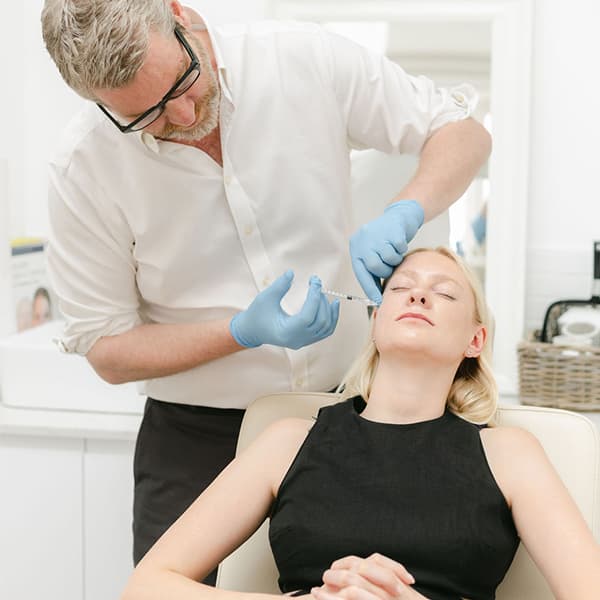
Hyaluronic acid is a substance naturally present in the skin. HA dermal fillers use a formulated gel to add or restore volume, improve contour and soften selected folds. Different gel characteristics suit different areas: a more supportive product may help define the chin or cheek, while a softer one may be chosen where flexibility is important.
An experienced injector considers how the face moves, not only how it looks at rest. Restoring cheek support, for example, can sometimes change the appearance of a lower facial fold without placing filler directly into that fold. Equally, adding more gel does not automatically make a face look younger or more rested.
Because HA is broken down naturally by the body, results fade gradually over time. HA filler can also be dissolved if needed, although dissolving is a medical procedure in its own right rather than an instant reset. Our filler dissolving treatment page explains how correction is assessed, and why it should never be treated as a casual safety net.

Facial filler makes the most sense when there is a specific structural change to address. Common reasons include flattening through the mid-face, hollowing at the cheeks, loss of chin projection or a jawline that would benefit from carefully judged definition. It may also be considered for some nose-to-mouth folds and marionette lines when volume distribution contributes to the concern.
For selected people, filler may be used for carefully planned non-surgical rhinoplasty. This is a higher-risk area, however, and not a routine alternative to surgery. Suitability and the limits of what can safely be changed matter more than the convenience of a non-surgical option.
Filler offers less value where the dominant problem is loose or sagging skin. It does not remove excess skin and cannot reproduce a surgical lift. Using volume repeatedly to compensate for laxity can leave the face looking heavier rather than fresher. The same caution applies if you want a major change in one sitting, or if the reason for treatment has not been clearly established.
Treatment should be avoided during pregnancy or breastfeeding, when there is active infection or inflammation at the planned site, or where a medical assessment identifies other risks. Cosmetic filler injections are prohibited for under-18s in England, subject to narrow medical exceptions. Your full medical history and expectations should be discussed before proceeding.
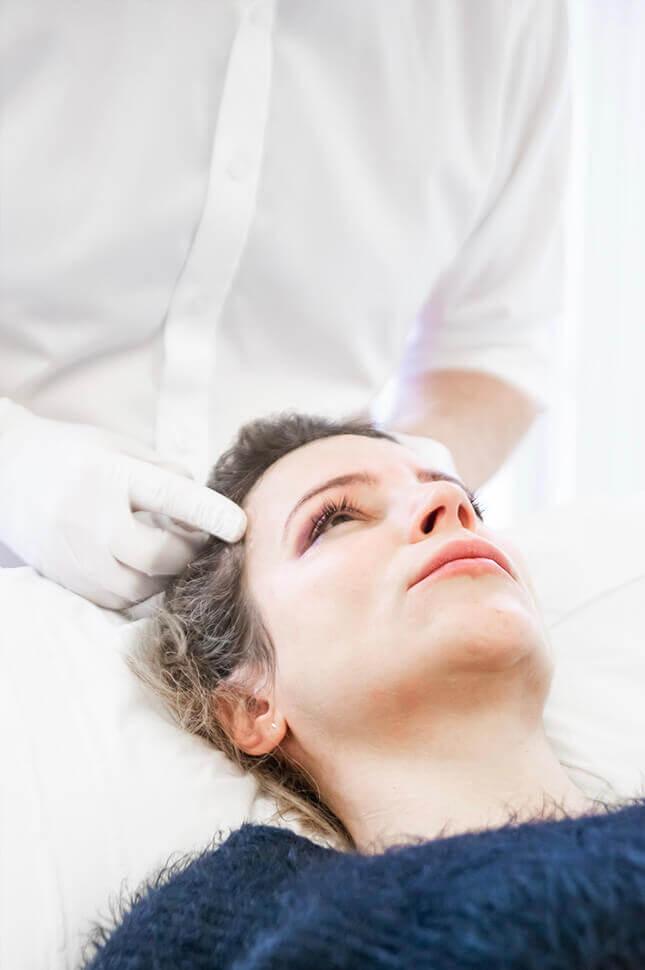
These treatments are often grouped together as facial rejuvenation, but they solve different problems. The right choice depends on whether your main concern is volume, skin quality or firmness.
A skin booster cannot replace filler if your concern is hollow cheeks, and structural filler is not the answer to dry or crepey skin. We look at these trade-offs in more depth in our Profhilo and dermal fillers comparison and our Julaine versus dermal fillers guide.
At L’Atelier, we may favour Julaine or Sofwave when the underlying concern is skin quality or laxity rather than missing volume. A face does not need additional fullness simply because ageing has become noticeable.
| Treatment | What it does | Best for | Results window |
|---|---|---|---|
HA dermal fillers | Restores volume and refines contour | Mid-face flattening, folds, chin and jawline | Visible immediately, settled at around 2 weeks, typically lasting 9 to 18 months |
Skin boosters (Profhilo) | Improves hydration and overall skin quality | Dehydrated, dull or crepey skin | Builds gradually over a course of treatment |
Julaine | Stimulates the skin’s own collagen production | Thinning skin and a subtle loss of support | Progressive, developing over the following months |
Sofwave | Lifts and tightens using ultrasound energy | Mild to moderate laxity and early loss of firmness | Develops gradually over the following weeks and months |
Facial filler appointments include assessment, treatment planning, the injections themselves and aftercare guidance. The time required depends on the area and complexity, so it is better to confirm the appointment length when booking rather than assume every treatment is identical.
| Stage | What to expect |
|---|---|
| Immediately afterwards | A visible contour change is possible, but temporary swelling, redness or tenderness may be present. Small bruises can also appear, even after an otherwise straightforward appointment. |
| First 48 hours | Swelling may fluctuate. The clinic’s current guidance advises avoiding make-up for the first 12 hours, avoiding pressure for 24 to 48 hours, and steering clear of saunas and sunbeds during the immediate recovery period. |
| Days two to five | Residual swelling or bruising often becomes easier to judge. A result that looks slightly uneven during this window is not necessarily the final result, but anything unexpected or concerning should be discussed with the treating clinician. |
| Around two weeks | The result is generally more representative of how the filler will look once initial swelling has settled. This is a sensible point for review, rather than adding product in response to the first few days of swelling. |
| Over subsequent months | HA filler gradually breaks down. The nine-to-eighteen-month guide is influenced by treatment area, facial movement, product characteristics and metabolism. Maintenance is an individual choice, not an obligation. |
If you have a wedding or another photographed event, allow at least two weeks, and ideally four, between facial filler and the occasion. This provides a buffer for bruising, swelling or an adjustment in the treatment plan.
Severe, increasing pain, unusual blanching or discolouration, or any change in vision after filler requires urgent medical assessment.

The cost of filler should be weighed against the quality of assessment, the injector’s training, the product selected, the expected maintenance and the route for help after treatment. A lower initial price isn’t better if the product is placed in the wrong area or the result needs correcting.
At L’Atelier, Dr Duncan Brennand administers facial filler. His approach centres on facial proportion and suitability, including the option to recommend less treatment, a staged plan or no filler at all. The consultation makes space for an honest conversation about the difference between volume loss and skin laxity.
The right product must also match the anatomy. A cheek requiring structural support, for instance, should not automatically be approached like a superficial line. Good aftercare is part of the overall value, particularly if swelling or bruising prompts questions once you are home.

Some of the most effective aesthetic plans begin with improving skin quality rather than adding volume. When the skin is dehydrated, uneven or beginning to lose firmness, treating those features first can make the next decision clearer. A conservative amount of filler may then be sufficient, or it may not be necessary at all.
A review after initial settling is particularly important. It is easier to make a thoughtful decision when swelling is no longer distorting the appearance than to pursue symmetry or fullness immediately after injections.
Dermal filler is worth considering when there is identifiable volume loss or a proportion concern that a modest amount of HA gel can address. It is poor value when used to chase lift, completely erase natural facial movement or replace a proper diagnosis of skin change. A personalised assessment at L’Atelier Aesthetics helps establish whether facial dermal fillers are the right choice.

They can be, particularly when mid-face volume loss contributes to the fold. Treating the cheek area may sometimes be more appropriate than placing filler directly into the line. Deep folds caused largely by skin laxity may respond less well.
The clinic gives a typical guide of nine to eighteen months for facial HA filler, although this varies by area, product and individual. Visible results settle over the first couple of weeks and fade gradually thereafter.
Dermal filler at L’Atelier Aesthetics starts from £325 The final cost depends on the areas treated and the amount of product your plan needs, which Dr Brennand confirms at your consultation. A £50 deposit secures your consultation.
They can look very natural when the indication is right and volume is used with restraint. Product choice, placement and attention to facial movement all matter. Natural results should preserve rather than replace your individual features.
HA filler can sometimes be dissolved by a qualified clinician, but correction is a medical decision, not an assurance of a risk-free or perfect reversal. Assessment is needed before deciding whether dissolving is appropriate.
Dermal filler is a medical procedure with risks, including bruising, infection, vascular complications and, rarely, serious injury. Appropriate training, anatomical knowledge, informed consent and access to urgent assessment are essential. No injectable procedure is entirely risk-free.
We welcome patients from across Marylebone, Mayfair, Fitzrovia, Regent’s Park, Soho, Knightsbridge, Belgravia, Chelsea and Kensington, as well as visitors travelling to London for specialist aesthetic and skin treatments. Our location benefits from excellent transport links, with Oxford Circus only a 13 minute walk away, Bond Street and Regent’s Park Underground stations are also both within easy reach. The clinic is also conveniently accessible from major London rail stations and Heathrow, Gatwick and London City airports thanks to the Elizabeth line, making visits straightforward for both UK and international patients.
Whether you are travelling from within London or further afield, our Harley Street clinic provides a calm, professional environment for personalised aesthetic and skin health treatments in one of the capital’s most respected medical locations.