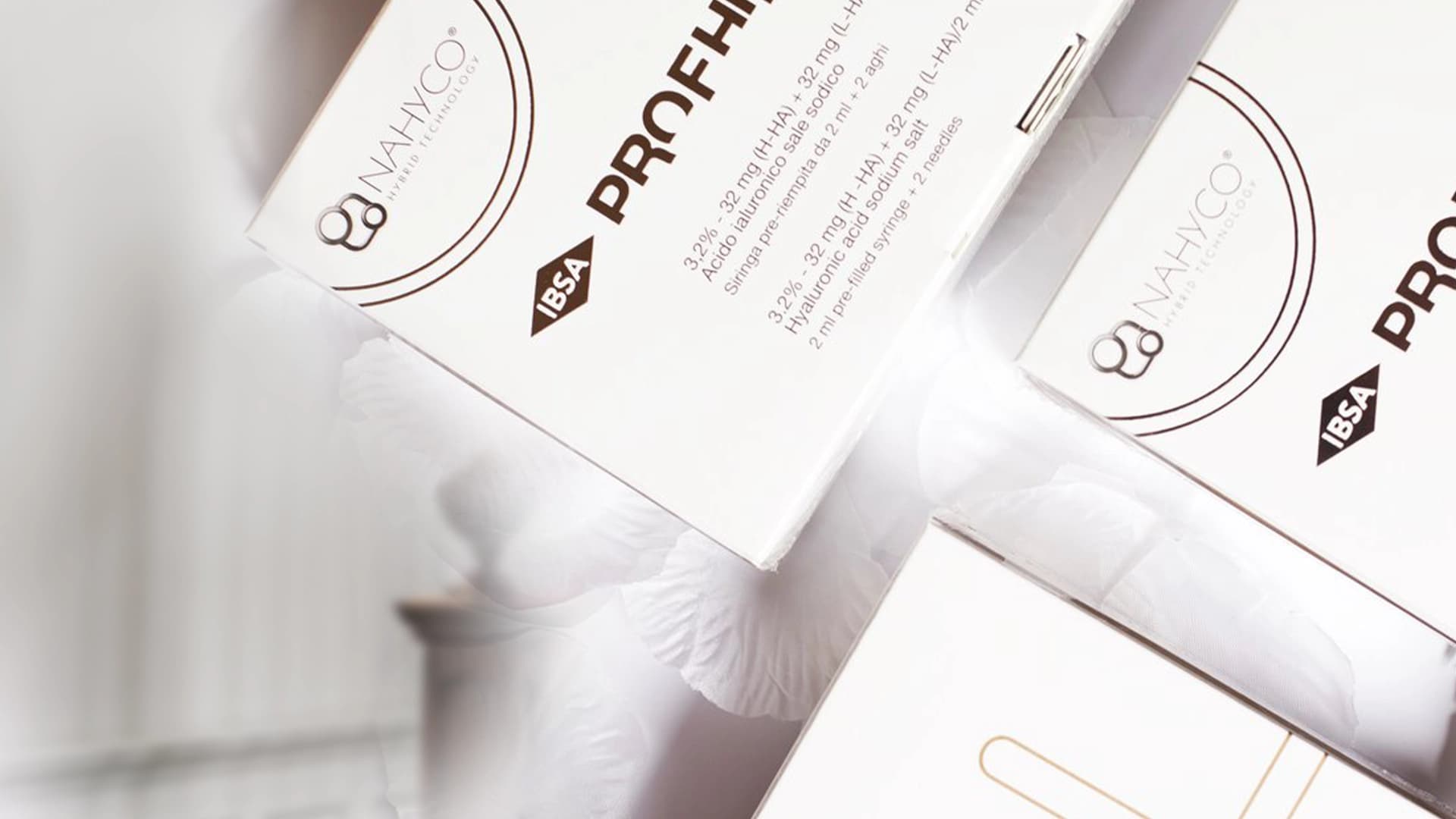
Polynucleotides and Profhilo are both injectable skin treatments, but they work in fundamentally different ways. Polynucleotides use DNA-derived fragments to stimulate cellular repair and regeneration from within. Profhilo is a high-concentration hyaluronic acid that intensely hydrates and bioremodels the skin. Both improve skin quality, but they address different underlying concerns and often complement each other rather than compete.
Authored and reviewed by Dr Duncan Brennand, Lead Aesthetic Doctor, L’Atelier Aesthetics, Harley Street
See the key differences between these two treatments in the table to the side
| Polynucleotides | Profhilo | |
|---|---|---|
Source / composition | PDRN or PN extracted from salmon or trout DNA | High-concentration, high-molecular-weight HA (64 mg per session) |
Mechanism | Stimulates fibroblast activity and DNA repair; regenerative action | Bioremodelling via slow-release HA; deep hydration and tissue restructuring |
Primary improvements | Skin quality, texture, fine lines, crepiness, dark circles (periorbital) | Hydration, skin laxity, elasticity, overall radiance |
Key treatment areas | Face, neck, under eyes, periorbital zone, hands, scalp | Face, neck, decolletage, hands, inner arms |
Under-eye use | Frequently used; periorbital formulations available | Less common in the periorbital zone; primarily face and neck |
Sessions | Typically 2-4 initial sessions, 4 weeks apart | 2 sessions, 4 weeks apart |
Onset of results | Gradual; 4-8 weeks | 4-8 weeks |
Longevity | 6-12 months depending on product and skin condition | 6-9 months |
Polynucleotides (also referred to as PDRN, or polydeoxyribonucleotide) are highly purified fragments of DNA derived from salmon or trout. When injected into the skin, they bind to receptors on fibroblast cells and stimulate the production of collagen and elastin through a process called tissue regeneration. This is a repair-led mechanism: polynucleotides do not add volume or hydration directly. Instead, they trigger the skin’s own repair pathways to improve quality, density and texture over time.
They are particularly well suited to areas where the skin is thin and delicate, including the periorbital zone (under and around the eyes), neck and the backs of hands. Results are gradual, appearing over four to eight weeks as the regenerative process takes hold.
For a full explanation of how polynucleotides work and who they are suited for, see the polynucleotides treatment page.
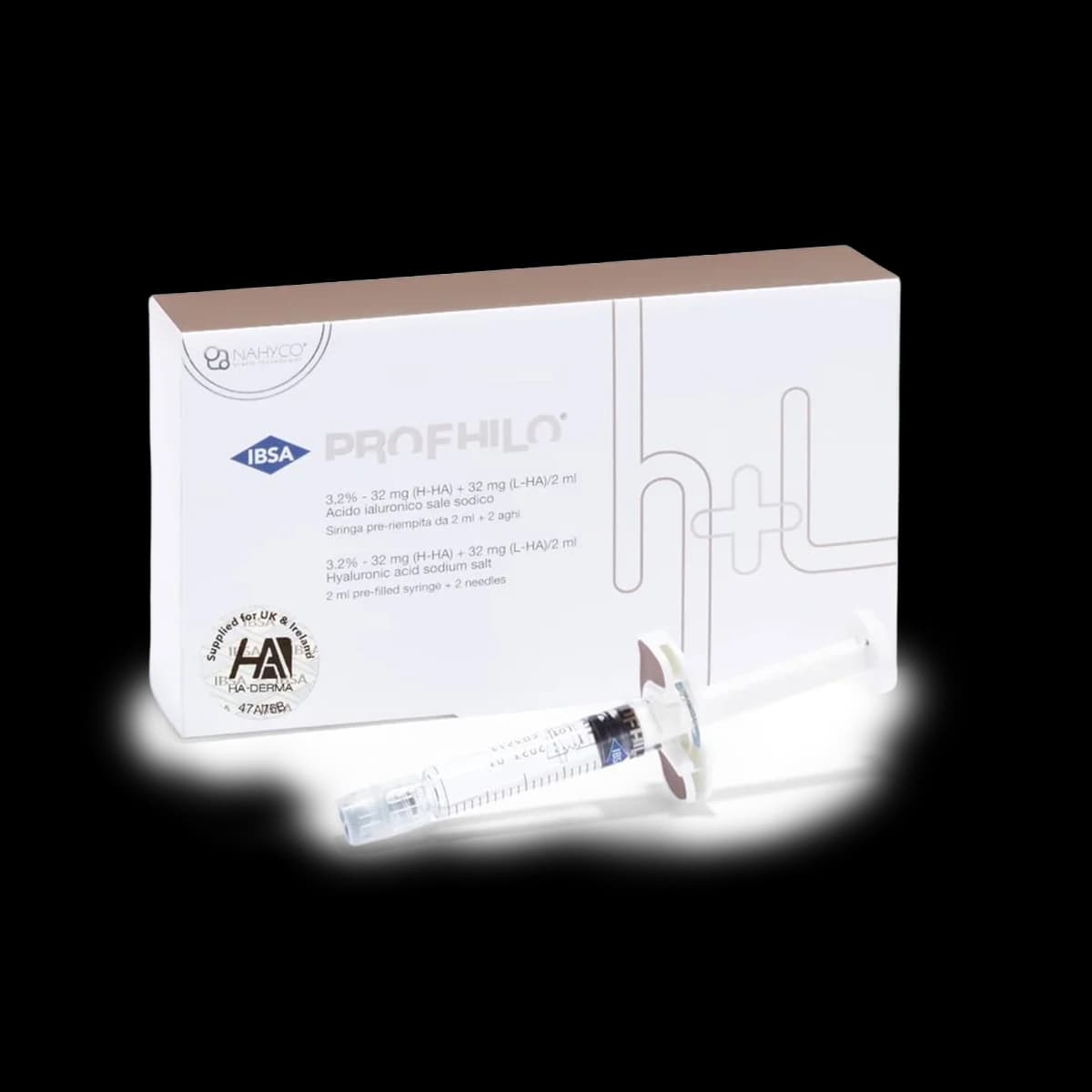
Profhilo is a skin booster containing one of the highest concentrations of hyaluronic acid (HA) available in an injectable treatment: 64 mg per 2 ml. Unlike dermal fillers, it is not designed to add volume or structure. Instead, it disperses through the tissue and acts as a bioremodeller, stimulating collagen and elastin while providing sustained, deep hydration.
The standard protocol involves two sessions four weeks apart, with results typically visible from four to eight weeks after the second session. It works well across the face, neck, decolletage and hands, addressing laxity, dullness and loss of skin firmness.
At L’Atelier Aesthetics, Profhilo is Dr Brennand’s preferred skin booster. Further detail on the treatment can be found in the post Is Profhilo Worth It, or on the skin boosters treatment page.

For the under-eye area specifically, polynucleotides are generally the preferred option. The periorbital zone is one of the most delicate areas of the face: the skin is thin, prone to crepiness, and particularly susceptible to dark circles caused by poor local circulation. The regenerative action of polynucleotides, combined with the availability of periorbital-specific formulations, makes them well suited to address these concerns.
Profhilo is less commonly used in the periorbital zone. While HA-based treatments can be placed around the eye area, the bioremodelling approach of Profhilo is better suited to larger surface areas such as the full face and neck. For sunken or hollow eyes, a different approach again may be appropriate.
At L’Atelier Aesthetics, Dr Brennand assesses the under-eye area as part of a full facial consultation before recommending any treatment. See the polynucleotides treatment page for detail on periorbital applications.

No. Profhilo and polynucleotides are categorically different treatments, despite both being injectables used to improve skin quality.
Profhilo is made from hyaluronic acid, a naturally occurring molecule found throughout the body’s connective tissue. Polynucleotides are derived from purified salmon or trout DNA. Their sources, mechanisms and primary actions are all distinct.
The confusion is understandable: both treatments are often discussed in the same breath as skin quality treatments, and both can be used on the face and neck. The key difference is in what they actually do. Profhilo hydrates and bioremodels using HA. Polynucleotides stimulate cellular repair and fibroblast activity using DNA-derived fragments. One works primarily through hydration and soft tissue remodelling; the other works through biological regeneration.
Polynucleotides and Profhilo sit in a broader category of treatments that support skin quality without adding structural volume. A third category, collagen biostimulators, works differently again: these injectables use biocompatible substances such as poly-L-lactic acid (in the case of Julaine) to trigger a sustained collagen-building response over several months.
Where polynucleotides and Profhilo tend to suit patients with early-to-moderate skin quality concerns, collagen biostimulators are often considered when greater volume restoration or longer-lasting structural improvement is the priority. Dr Brennand frequently combines treatments from all three categories within a personalised treatment plan.
For a full comparison of Julaine and Sculptra, see Sculptra vs Julaine. Clinical detail on Julaine is available on the Julaine treatment page.
Both treatments are well tolerated, and neither is inherently superior. The right choice depends on the specific concern being addressed.
Polynucleotides may suit you if:
Profhilo may suit you if:
Importantly, the two treatments are not mutually exclusive. A number of patients at L’Atelier Aesthetics have both as part of a combination programme: polynucleotides for targeted cellular repair and Profhilo for broader hydration and tissue remodelling. Dr Brennand plans each programme individually, based on skin analysis and a thorough consultation.
To discuss which approach is appropriate for your skin, book a consultation with Dr Brennand.


No. Profhilo is a hyaluronic acid-based bioremodeller; polynucleotides are DNA-derived injectable treatments. They work through completely different mechanisms. Profhilo hydrates and remodels through the slow dispersal of high-concentration HA. Polynucleotides stimulate fibroblast activity and cellular repair through PDRN or PN fragments. The treatments are distinct in source, mechanism and primary indication.
Results from polynucleotides typically last six to twelve months, depending on the product used, the number of initial sessions completed and the patient’s skin condition. Profhilo results generally last six to nine months. In both cases, maintenance sessions help sustain the outcome. The difference in longevity is not dramatic enough to make it the deciding factor; the primary consideration should be the skin concern being addressed.
Yes, and many patients at L’Atelier Aesthetics do. The two treatments address different aspects of skin quality and are complementary. Polynucleotides provide targeted cellular regeneration; Profhilo delivers broader hydration and tissue remodelling. Whether combining both is appropriate depends on individual skin concerns and budget. Dr Brennand assesses this during consultation and builds a sequenced plan where relevant.
For the periorbital zone, polynucleotides are generally preferred. Periorbital-specific formulations are available, and the regenerative mechanism is well suited to thin, delicate skin with crepiness or dark circles. Profhilo is not commonly used in the under-eye area; its bioremodelling action is better suited to larger surface areas. For deeper hollowing or sunken appearance in the under-eye zone, a different treatment approach may be more appropriate, which Dr Brennand would discuss at consultation.
We welcome patients from across Marylebone, Mayfair, Fitzrovia, Regent’s Park, Soho, Knightsbridge, Belgravia, Chelsea and Kensington, as well as visitors travelling to London for specialist aesthetic and skin treatments. Our location benefits from excellent transport links, with Oxford Circus only a 13 minute walk away, Bond Street and Regent’s Park Underground stations are also both within easy reach. The clinic is also conveniently accessible from major London rail stations and Heathrow, Gatwick and London City airports thanks to the Elizabeth line, making visits straightforward for both UK and international patients.
Whether you are travelling from within London or further afield, our Harley Street clinic provides a calm, professional environment for personalised aesthetic and skin health treatments in one of the capital’s most respected medical locations.
Google Reviews Rated 4.9 ★ ★ ★ ★ ★ from 286 Reviews