
Julaine results develop gradually. Unlike a conventional dermal filler, the treatment is designed to stimulate collagen production over time, so you should not expect to leave your appointment with your final result.
Instead, changes in skin quality, firmness and the appearance of lines develop as your skin responds to treatment. This can make Julaine before and after results more subtle at first, but increasingly noticeable as the treatment takes effect.
Here, we explain what changes you may see, when Julaine results begin to appear and what to look for when comparing before and after photographs.
Julaine is designed to produce gradual changes rather than an immediate filler-style transformation.
It is a poly-L-lactic acid (PLLA) collagen biostimulator. Instead of adding volume with a gel, the treatment stimulates a response within the skin that supports new collagen formation over time.
The emphasis is on progressive facial rejuvenation rather than an immediate change in facial volume.
Because the changes happen gradually, you may not notice them from one day to the next. Comparing photographs taken at different stages of your treatment journey can make more subtle improvements easier to see.

Julaine works differently from a conventional hyaluronic acid dermal filler. Its effects rely on the skin’s response to poly-L-lactic acid rather than the immediate addition of volume with an injectable gel.
Julaine contains biodegradable microspheres made from poly-L-lactic acid, commonly shortened to PLLA.These microspheres are introduced into the tissue during treatment and gradually biodegrade over time.
The purpose of Julaine treatment is to encourage collagen production within the skin.
Collagen is an important structural protein that helps support the skin. Its production naturally changes as we age, contributing to changes in firmness, texture and the appearance of lines.
Julaine is designed to stimulate fibroblasts, the cells involved in collagen production, encouraging a gradual collagen response within the treated tissue.
Collagen formation takes time, which is why Julaine results are progressive rather than immediate.
The changes you see are linked to your body’s response to treatment. As this process develops, improvements in skin quality and firmness can become more apparent.
This also means that judging the result immediately after your appointment will not give you an accurate picture of the final outcome.


Julaine is not designed to produce its final result immediately. Changes develop gradually as the collagen response progresses, so the most useful before and after comparison comes later in the treatment journey.
Exactly when you notice a difference will depend on your skin, treatment plan and individual response.
Julaine results timeline at a glance
| Stage | What you may notice |
|---|---|
| Immediately after treatment | Temporary changes related to the injections themselves, rather than the final Julaine result |
| The first few weeks | Early settling, while the collagen response begins to develop |
| Progressive response | Gradual changes in skin firmness, quality and the appearance of lines may become more noticeable |
| Final assessment | Results are reviewed once enough time has passed for the collagen response to develop fully |
Your final result should only be assessed once sufficient time has passed for the treatment response to develop.
This is also why the timing of Julaine before and after photographs matters. An image taken too soon after treatment will not provide a meaningful representation of the eventual result.
Your practitioner will explain when to review your results and whether any further treatment is recommended as part of your individual plan.
Julaine is often used to address concerns relating to skin quality, firmness, lines and wrinkles.
Because the treatment works by stimulating collagen rather than providing immediate gel-based volume, the type of change is different from that associated with a conventional dermal filler.
Potential concerns may include:
The areas treated will depend on your individual concerns and the protocol used at 101 Harley Street. During your consultation, your practitioner will assess your skin and explain whether Julaine is appropriate for the areas you would like to address.
Before and after photographs are useful for understanding the type of change Julaine can produce, but they cannot predict exactly how your own result will look.
Everyone starts with different skin, and individual responses to collagen stimulation vary.
Several factors can influence your results.
| Factor | Why it matters |
|---|---|
| Your skin before treatment | Baseline skin quality and existing collagen levels affect your starting point. Someone with relatively mild changes may have different treatment goals from someone with more established signs of skin ageing. |
| Age | Ageing affects the structure and collagen content of the skin. However, age alone does not determine whether Julaine is suitable or what kind of result you can expect. |
| The area being treated | Different parts of the face have different characteristics, so the treatment plan will depend partly on the area and concern being addressed. |
| Your treatment plan | Julaine treatment is tailored to the individual. The number of sessions and timing between treatments may therefore differ depending on your starting point and goals. |
| Your individual response | Julaine relies on a biological response within your own skin. As a result, the speed and extent of visible change will not be identical for every patient. |
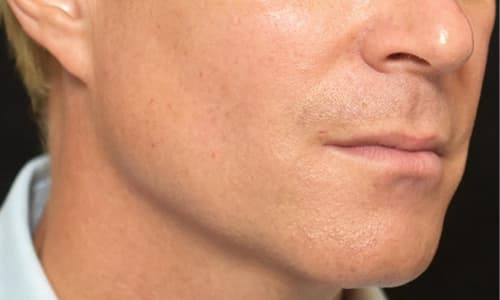
Julaine results are not permanent.
PLLA gradually biodegrades, while the collagen response stimulated by treatment can continue to influence the appearance and quality of the skin after the product itself has broken down.
How long results last will vary between individuals and may depend on factors including your skin, age, treatment plan and natural ageing process.
Some patients may also choose maintenance treatment to support their results over time. Your practitioner can discuss this with you during consultation and explain what a realistic longer-term treatment plan might look like.
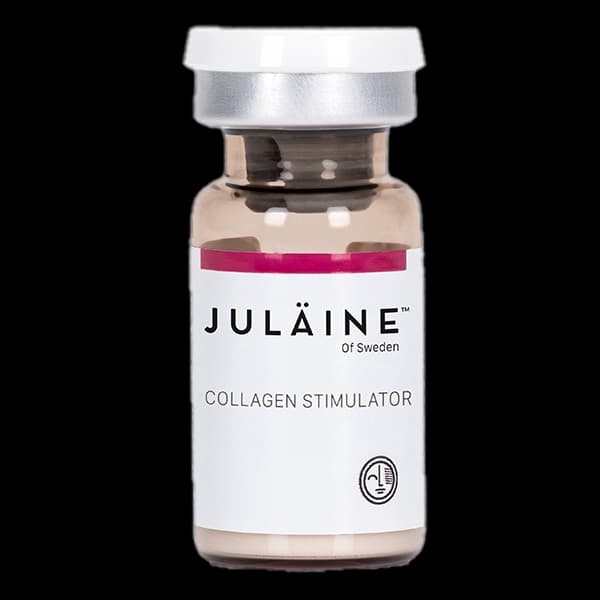
Before and after photographs can be helpful when considering Julaine, particularly because the changes are designed to develop gradually.
However, photographs are only useful when the comparison is consistent.
When looking at Julaine before and after images, check for:
| What to match | Why it matters |
|---|---|
| The same angle | Even a small change in head position can alter the appearance of facial contours. |
| Similar lighting | Shadows and directional lighting can make lines and skin texture appear more or less prominent. |
| The same facial expression | Smiling, frowning or raising the eyebrows can significantly change the appearance of lines. |
| A similar camera distance | Both photographs should show the face at a comparable scale. |
| An appropriate follow-up interval | The after photograph should allow enough time for the Julaine result to develop. |
| No filters or retouching | Clinical photography should show the skin as accurately as possible. |
Standardised clinical photographs make it easier to assess genuine changes in skin quality, firmness and the appearance of lines.
They can also be useful for assessing your own progress. Gradual changes are sometimes difficult to appreciate when you see your reflection every day.
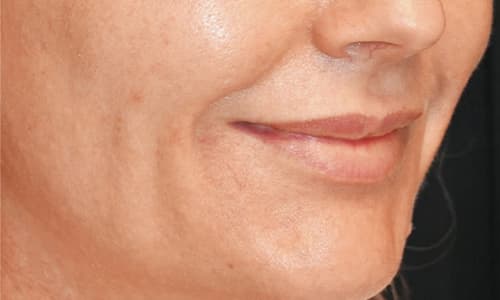
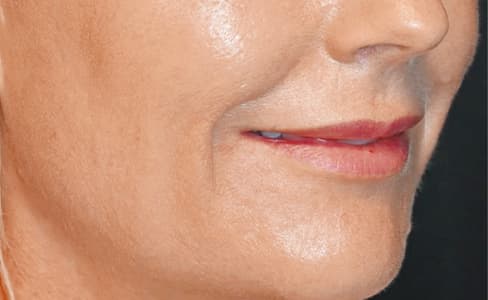
Julaine and hyaluronic acid dermal fillers can both form part of a facial rejuvenation plan, but they work differently. Dermal fillers add volume using an injectable gel, so changes can be visible immediately. They may be used where the aim is to restore or create volume in a particular area. Julaine takes a different approach. As a collagen biostimulator, it is designed to encourage a gradual collagen response, so changes develop over time rather than appearing immediately after treatment.
The right option therefore depends on what you would like to address. In some cases, different treatments may be recommended for different concerns. Your practitioner can explain which approach best matches your goals after assessing your face and skin in person.
No aesthetic injectable is suitable for everybody. Whether Julaine is appropriate for you depends on your skin, concerns, medical history and the type of change you would like to achieve.
It may appeal particularly to people who are comfortable with a gradual treatment approach rather than looking for an immediate change in facial volume. There are also circumstances in which an injectable treatment may not be appropriate. Your practitioner will take a medical history and assess your suitability before recommending treatment. If you are considering Julaine before or after facial surgery, timing requires additional consideration. Read our dedicated guide to Sculptra or Julaine for more information.
A consultation gives you the opportunity to discuss the changes you would like to see, understand whether Julaine is suitable for you and get a realistic idea of how your results may develop over time.
Your practitioner will assess your skin, discuss your goals and explain the recommended treatment plan and expected timeline.
Julaine results develop gradually rather than appearing immediately after treatment. Changes become visible as the collagen response develops, so your final result cannot be judged straight after your appointment. The exact timeline varies according to your treatment plan and individual response.
Julaine works progressively because it is designed to stimulate collagen production. This means changes in skin quality, firmness and the appearance of lines develop over time rather than immediately. Your practitioner can explain the expected timeline for your individual treatment plan.
Julaine results are not permanent, and their duration varies between patients. Factors such as your skin, age, treatment plan and natural ageing can all influence longevity. Maintenance treatment may be recommended depending on your individual response and goals.
Julaine is a collagen biostimulator rather than a conventional hyaluronic acid dermal filler. Dermal fillers use an injectable gel to provide volume, whereas Julaine is designed to stimulate collagen production so that changes develop progressively over time.
Julaine is made using poly-L-lactic acid, or PLLA, in the form of biodegradable microspheres. PLLA is used in collagen-stimulating injectable treatments andgradually biodegrades after treatment.
Yes. Julaine is designed to stimulate collagen production within the treated tissue. This gradual collagen response is why the treatment does not produce its final result immediately and why changes continue to develop after your appointment.
The number of Julaine treatments required depends on the protocol used and your individual treatment plan. Your practitioner will assess your skin and goals before recommending the appropriate number and spacing of sessions.
Look for photographs taken using the same lighting, angle, distance and facial expression. The after photograph should also have been taken at an appropriate point in the treatment journey, allowing time for results to develop. Avoid relying on images that appear filtered, retouched or inconsistently photographed.
We welcome patients from across Marylebone, Mayfair, Fitzrovia, Regent’s Park, Soho, Knightsbridge, Belgravia, Chelsea and Kensington, as well as visitors travelling to London for specialist aesthetic and skin treatments. Our location benefits from excellent transport links, with Oxford Circus only a 13 minute walk away, Bond Street and Regent’s Park Underground stations are also both within easy reach. The clinic is also conveniently accessible from major London rail stations and Heathrow, Gatwick and London City airports thanks to the Elizabeth line, making visits straightforward for both UK and international patients.
Whether you are travelling from within London or further afield, our Harley Street clinic provides a calm, professional environment for personalised aesthetic and skin health treatments in one of the capital’s most respected medical locations.