By the team at L’Atelier Aesthetics, checked by Dr Duncan Brennand, Lead Aesthetic Doctor, 101 Harley Street
Diagnostic skin imaging is now a core part of how treatment plans are built at L’Atelier Aesthetics. The concern a patient describes in the mirror is often different from what the skin actually requires, and the most accurate way to close that gap is to see what is happening beneath the surface before any recommendation is made.
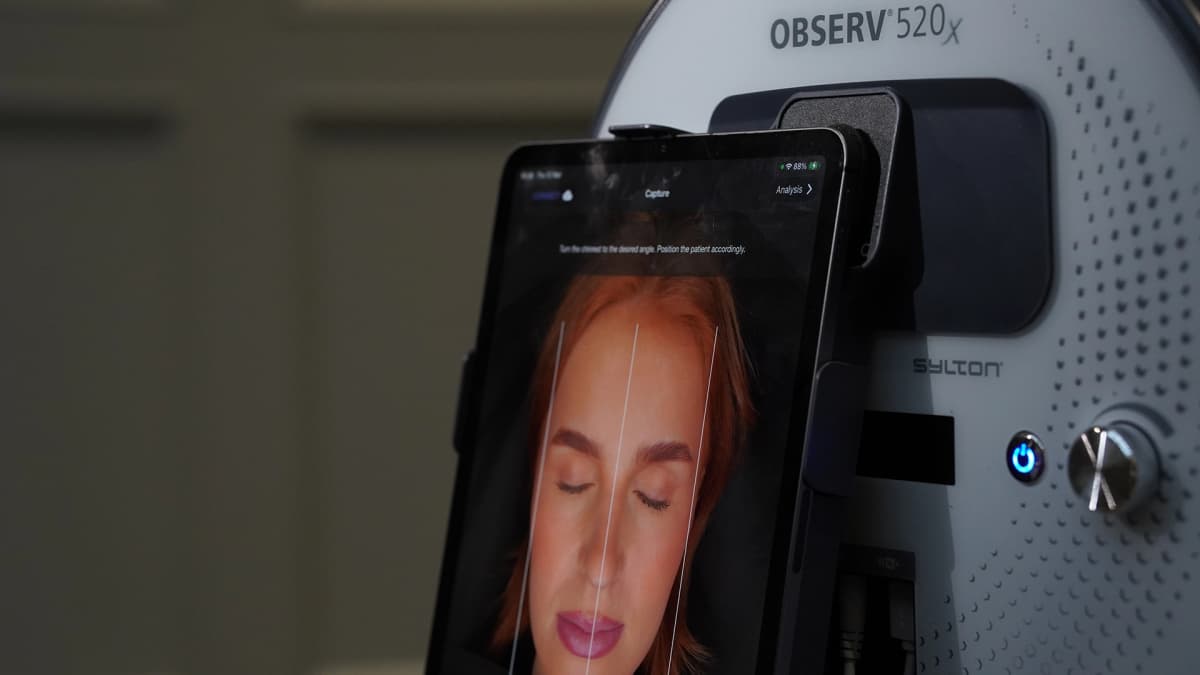
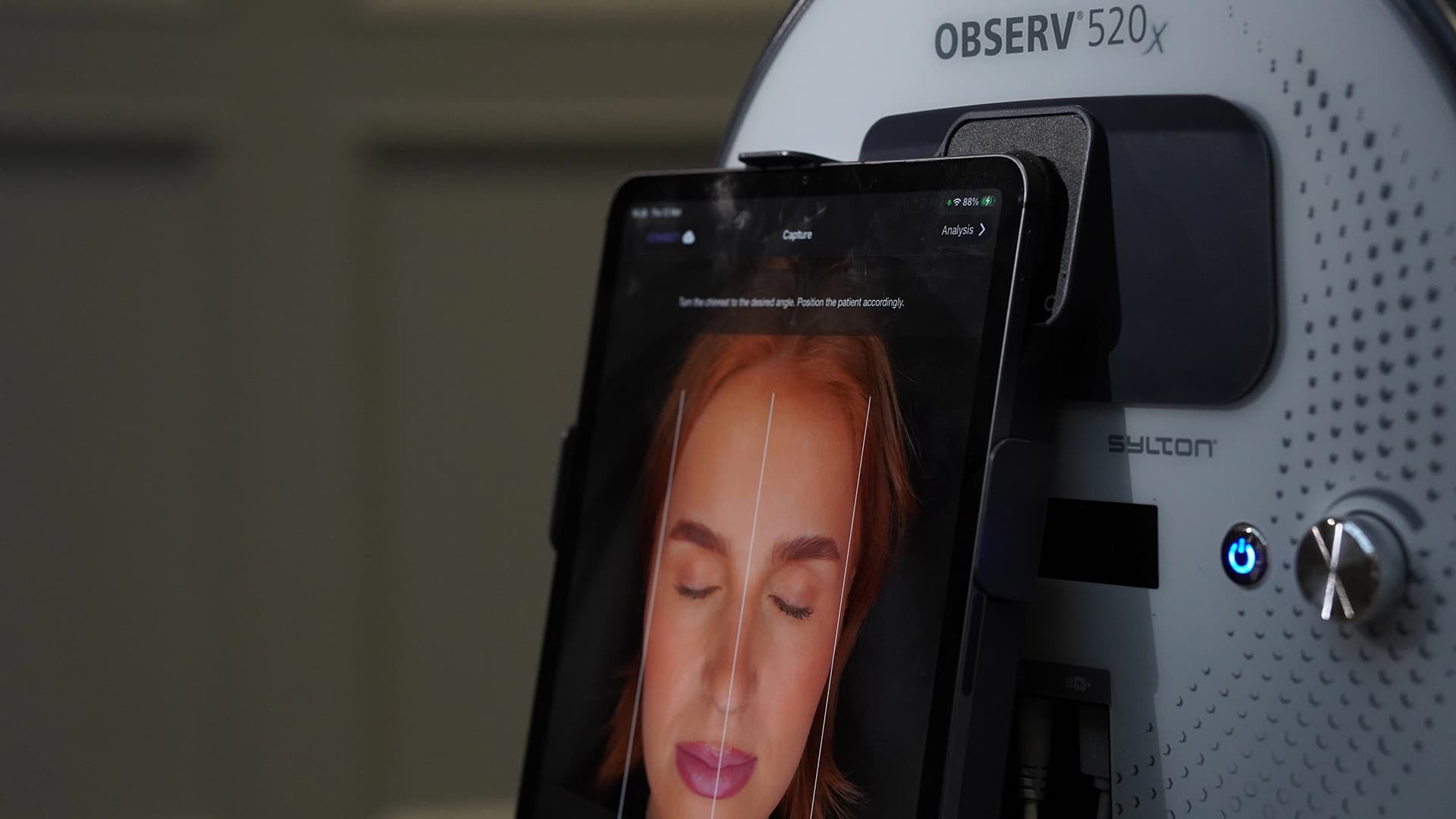
The Observ 520x is one of two skin imaging tools used at the clinic. This guide sets out what the scan reveals, how the process works, and why a proper diagnostic image belongs in any considered treatment plan.
An Observ 520x scan reveals layers of skin information that are not visible to the naked eye: pigmentation sitting deep in the skin before it surfaces, vascular patterns and areas of redness, surface texture, pore density, fine line detail and oil distribution. The device produces eight different imaging modes within a few minutes.
The value is not the image itself. It is what the image changes about the treatment plan.
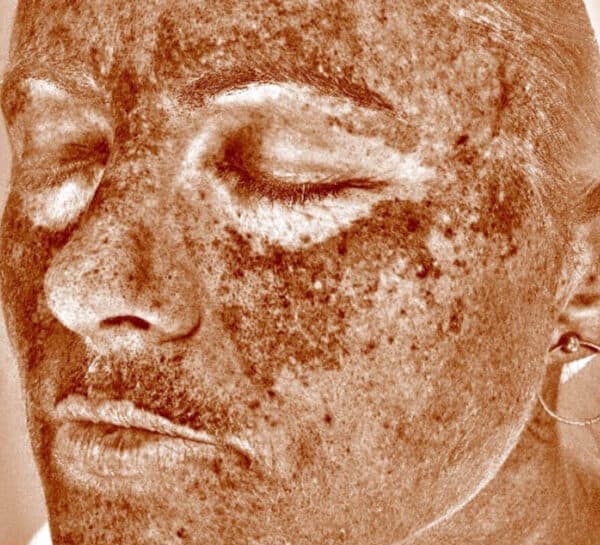
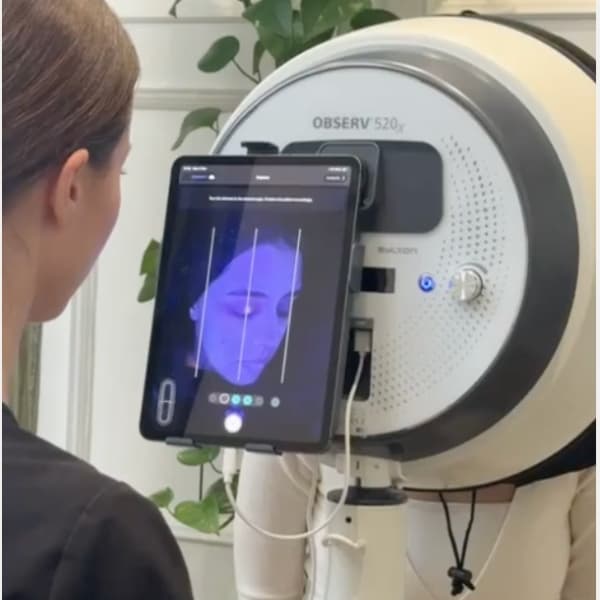
The Observ 520x captures images of the face under precisely controlled lighting conditions. Different types of light reveal different layers and concerns. Some modes show vascular patterns and areas of inflammation. Others reveal deep pigmentation that has not yet reached the skin surface. Others map texture, pore detail and surface quality. Each mode takes a matter of seconds.
The result is a clear picture of what is already present, what is developing below the surface, and what is likely to become visible over the coming months or years. That longer-range view is particularly useful for treatment planning. Most patients arrive with one or two presenting concerns. The scan regularly identifies a third that has not yet surfaced but is worth addressing early.
A skin analysis is useful for any patient building a meaningful treatment plan, but it is particularly valuable in specific circumstances.
For patients with pigmentation concerns, what is visible on the surface consistently underrepresents what is present in the deeper layers. For patients with redness or rosacea, understanding the vascular pattern helps identify the correct treatment rather than defaulting to resurfacing. For patients considering Morpheus8 or CoolPeel, a pre-treatment scan provides an objective baseline against which results can be measured. For patients with acne scarring, the texture mapping often captures detail that is difficult to assess by eye alone.
It is also valuable for patients at the start of a longer-term plan. A baseline image captured at the first consultation, rescanned at 12 months, provides a far more reliable measure of progress than memory or subjective assessment.
Pigmentation identified before it surfaces. Certain imaging modes can reveal pigmentation sitting in the deeper layers weeks or months before it becomes visible on the surface. Patients with a clear complexion in the mirror sometimes carry significant sub-surface pigmentation that will emerge with further sun exposure. This shifts the recommendation from treating what is visible now to preventing what is developing – a more clinically useful approach.
Vascular patterns that alter the treatment choice. Some modes reveal redness and visible vascularity that are not apparent to the naked eye. A patient presenting with general dullness sometimes has a significant vascular component driving the appearance, which responds to a different treatment entirely from a resurfacing laser. The scan is often what makes that distinction clear.
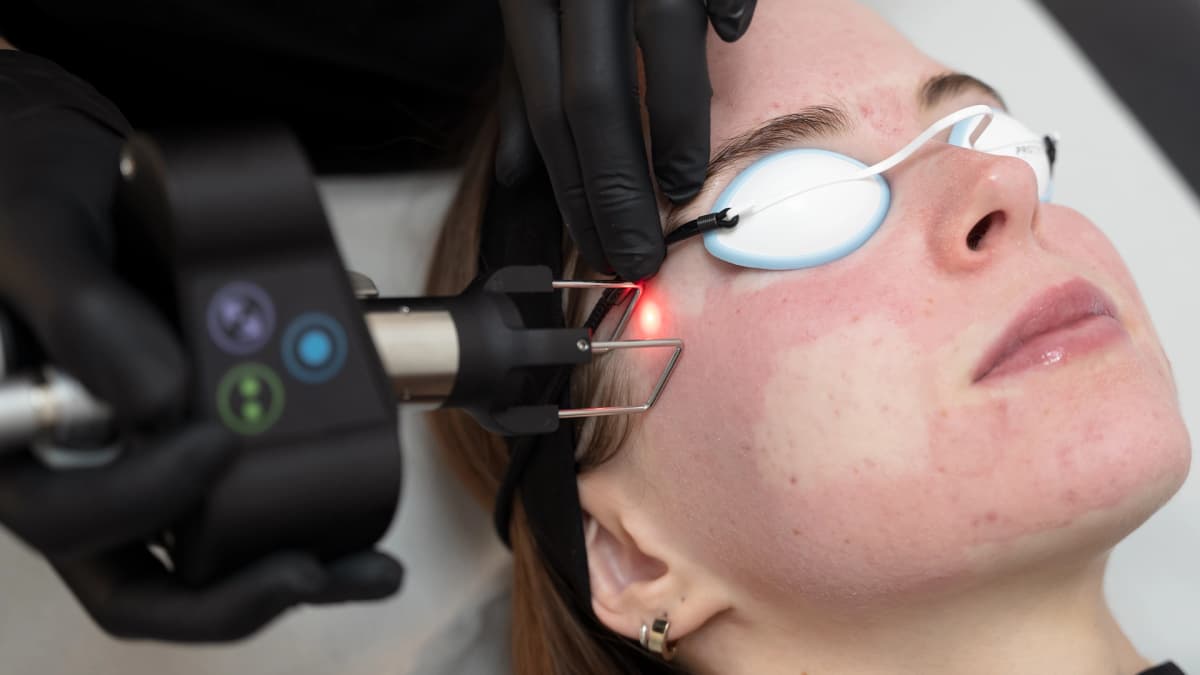
Texture and pore detail that guides resurfacing decisions. Texture mapping helps determine the appropriate treatment between CoolPeel, microneedling and Morpheus8. Not every patient with texture concerns requires the same approach. The scan helps identify whether the concern is pore enlargement in one area and fine lines in another, which may call for a lighter or more targeted intervention.

Treatment recommendations based on what is actually present in the skin rather than surface appearance alone
Early identification of developing pigmentation before it becomes visible
Clearer differentiation between vascular, textural and pigmentation concerns
An objective baseline for measuring the results of a treatment course
A more precise and informed consultation for both patient and doctor
The Observ 520x is used alongside the Visia facial analysis scanner at the clinic. The two devices overlap in some areas and complement each other in others. For most patients, one scan per consultation is appropriate. For patients with specific concerns such as deep pigmentation or a significant vascular component, both may be used.
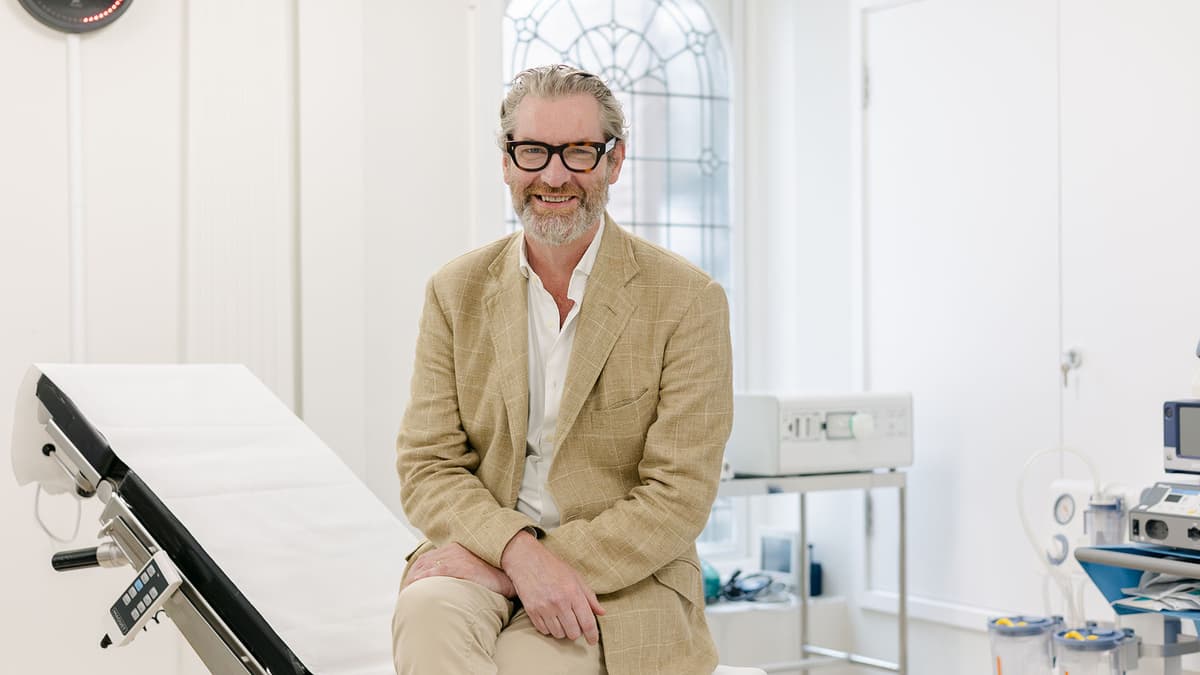
“The reason I use the Observ is that the skin at the surface is often the last thing to reveal what is actually going on. A patient who tells me their skin looks tired may have a vascular pattern I cannot see by eye, or a layer of pigmentation sitting deeper in the skin that will surface this summer. The scan is what turns a good consultation into a properly diagnostic one. It is not a sales tool. It is a planning tool.”
Dr Duncan Brennand, Lead Aesthetic Doctor, L’Atelier Aesthetics
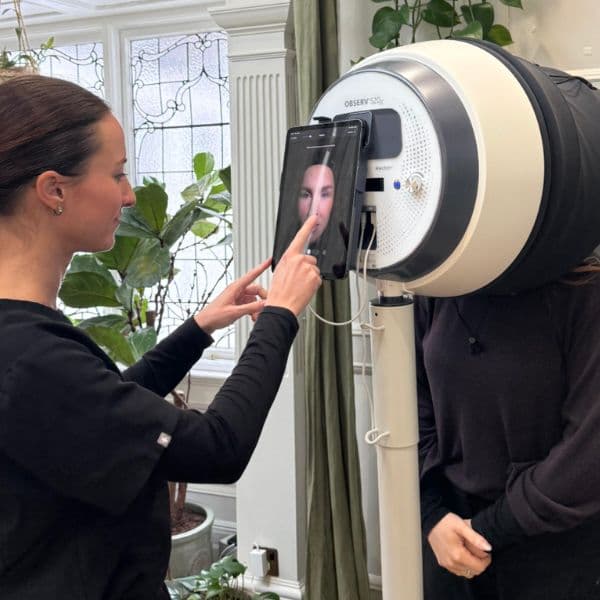
Skin analysis at the clinic is performed by the clinical team – Emma, Kate and Bronte – at the start of the consultation. Dr Brennand reviews the images with the patient and uses them to shape the treatment recommendation.
L’Atelier Aesthetics is a doctor-led clinic at 101 Harley Street, London. Every treatment plan is informed by a clinical consultation with Dr Duncan Brennand, who reviews diagnostic imaging alongside his own assessment before making any recommendation.
Dr Brennand is a GMC-registered aesthetic doctor with over a decade of experience on Harley Street. His GMC reference number is 4341662, verifiable on the GMC medical register.
The clinic is at 101 Harley Street, London W1G 6AH, a short walk from Bond Street, Oxford Circus and Regent’s Park underground stations.

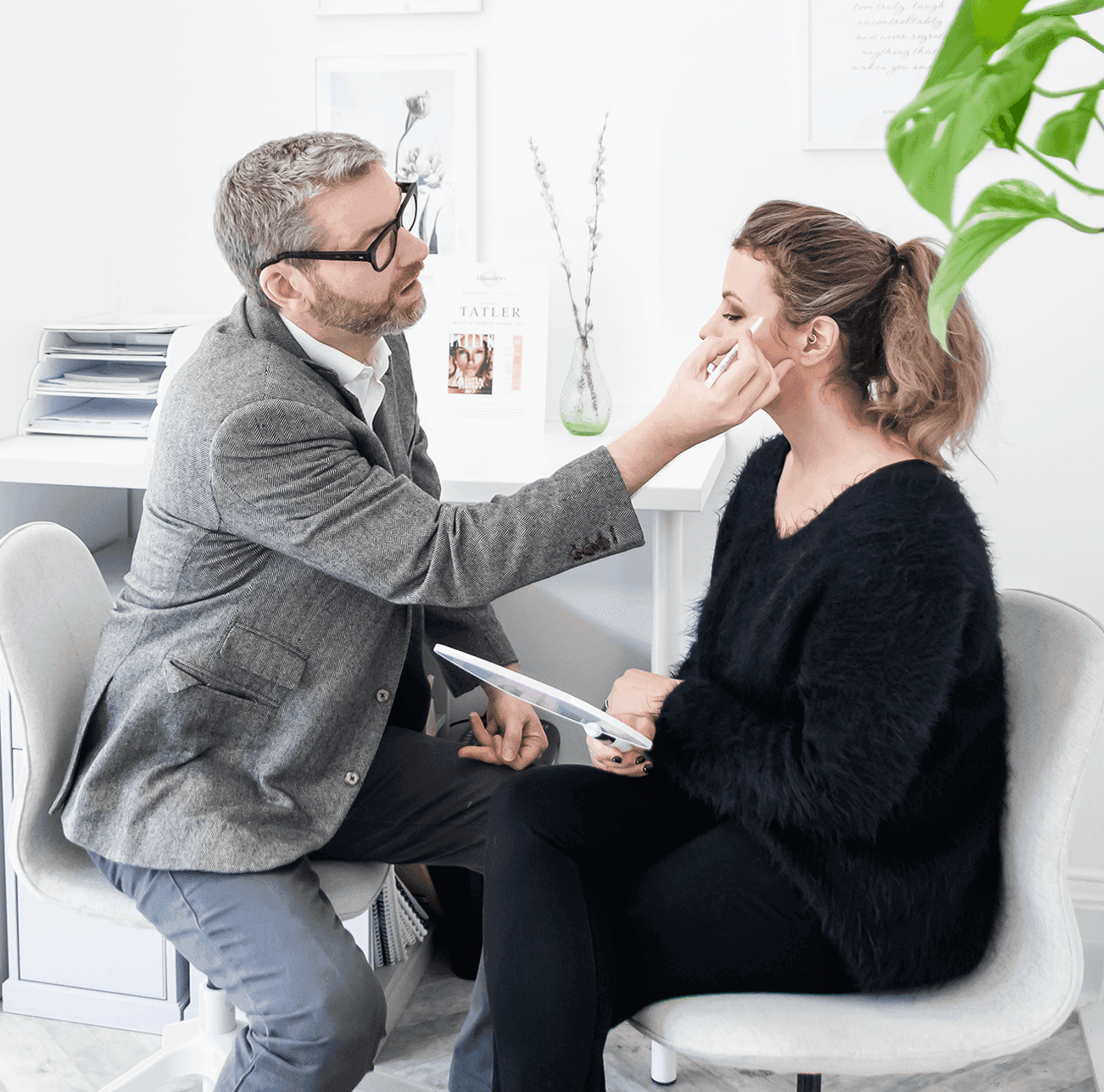
An Observ 520x scan reveals surface texture, pore density, deep pigmentation, vascular patterns and inflammation, fine line depth and oil distribution. The results directly shape the treatment plan Dr Brennand proposes.
The full scan takes around 10 minutes including set-up. The actual imaging is only a few seconds per mode. Results are reviewed with Dr Brennand during the consultation that follows.
Yes. The Observ 520x is a non-contact imaging device. There is nothing applied to the skin, no sensation during the scan, and no preparation needed beyond arriving with a clean face.
A baseline scan at your first consultation is standard. Repeat scans every 12 months during an active treatment plan provide a useful measure of progress. More frequent scans are not usually necessary.
No. The two devices are complementary. Observ is particularly strong for vascular patterns, deep pigmentation and surface detail. Visia is stronger for standardised serial imaging over time. For most patients one scan per consultation is enough, though some benefit from both.
The Observ 520x supports the clinical assessment but is not a replacement for a dermatology consultation. Where a scan raises a concern that goes beyond aesthetic treatment, Dr Brennand will refer the patient to a dermatologist for formal assessment and management.
We welcome patients from across Marylebone, Mayfair, Fitzrovia, Regent’s Park, Soho, Knightsbridge, Belgravia, Chelsea and Kensington, as well as visitors travelling to London for specialist aesthetic and skin treatments. Our location benefits from excellent transport links, with Oxford Circus only a 13 minute walk away, Bond Street and Regent’s Park Underground stations are also both within easy reach. The clinic is also conveniently accessible from major London rail stations and Heathrow, Gatwick and London City airports thanks to the Elizabeth line, making visits straightforward for both UK and international patients.
Whether you are travelling from within London or further afield, our Harley Street clinic provides a calm, professional environment for personalised aesthetic and skin health treatments in one of the capital’s most respected medical locations.