By the team at L’Atelier Aesthetics, checked by Dr Duncan Brennand, Lead Aesthetic Doctor, 101 Harley Street
Collagen-stimulating injectables have become one of the most discussed areas of aesthetic medicine over the last two years, and for most of that time the central question has been Sculptra or Julaine. Both work by encouraging the body to produce its own collagen over months, rather than adding immediate volume. In 2024 the answer at the clinic was often Sculptra, because the evidence base was established and the dosing was well understood. In 2026, Julaine has become the more frequent recommendation – and the reasons are worth setting out clearly.
For most patients in 2026, Julaine is the treatment recommended first. It produces a collagen response over time while also softening the skin on the day of treatment, making it a more immediately rewarding experience. Sculptra retains a clear role for patients who prioritise longevity above all else, or where larger body areas are being treated – but for the face, Julaine’s ability to deliver both an immediate and a progressive result is what most patients are actually looking for.

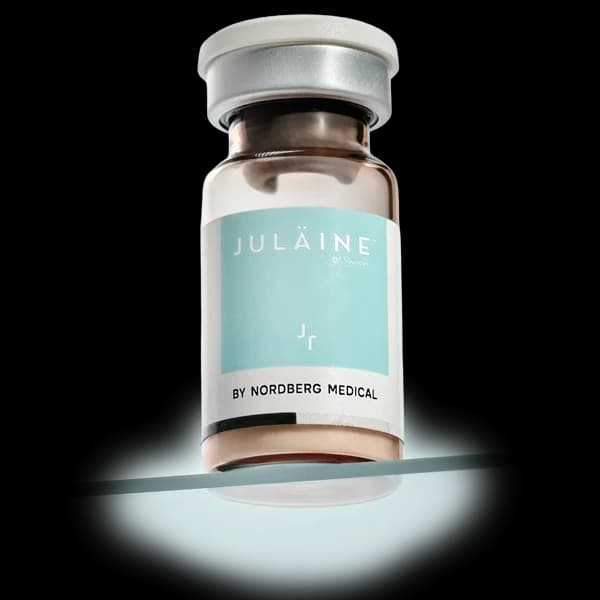
A collagen stimulator is not a filler. A filler adds volume at the point of injection. A collagen stimulator works differently – it encourages the skin to produce new collagen over the following months, gradually improving firmness, thickness and overall quality. The change is subtle initially and builds steadily, which is why results are best assessed at three to four months rather than immediately after treatment.
Sculptra works gradually with no softening effect on the day. Julaine produces the same collagen response but also softens the skin at the time of treatment, meaning there is a visible change when the patient leaves the clinic, with further improvement continuing from there.

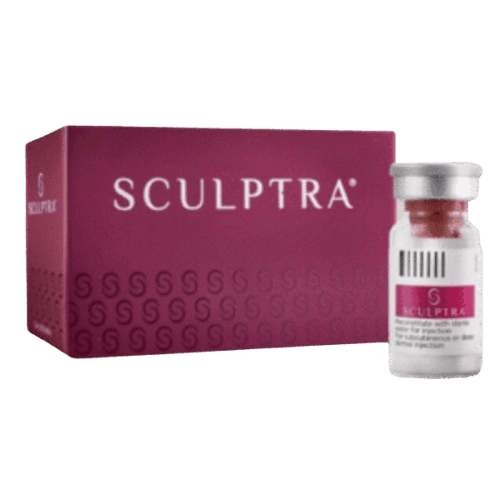
Collagen stimulators are well suited to patients in their late thirties, forties and fifties who are noticing a general decline in skin quality and firmness rather than one specific area they want to change. Common presentations include early jowling, softening along the jawline, a reduction in facial density and a general sense that the face looks less defined than it previously did.
Both treatments also work well alongside energy-based tightening procedures such as Sofwave or Morpheus8, where a combined approach addresses both skin quality and structural firmness.
They are not the right choice for patients seeking an immediate, targeted change in one specific area. For a defined hollow under the eye or in the cheek, a traditional dermal filler is usually more appropriate. Neither treatment is suitable during pregnancy, for patients with a tendency to raised scarring, or where there is any active skin concern in the area being treated.
The immediate softening effect is the primary practical reason Julaine has become the more frequent recommendation. Patients consistently want to see some change when they look in the mirror after treatment. Sculptra requires patients to wait six to eight weeks before anything becomes visible – which is sound clinically, but asks for a level of patience that not every patient finds straightforward. Julaine demonstrates the direction of travel on the day, which makes the months of gradual improvement considerably easier to trust.
Longevity remains Sculptra’s strongest argument. A full course can last up to 25 months. Julaine sits at 12 to 18 months for most patients. Where length of effect is the priority and the patient is comfortable waiting for the result, Sculptra remains a strong option. Where an immediate result alongside gradual improvement is the preference, Julaine is the better fit.
| Variable | Julaine | Sculptra |
|---|---|---|
Immediate effect | Skin looks softer on the day | Minimal, result builds over months |
Collagen response | Builds over 3 to 4 months | Builds over 3 to 4 months |
Sessions | 1 to 2 sessions | 2 to 3 sessions, 4–6 weeks apart |
Duration | 12 to 18 months | Up to 25 months |
Julaine: The skin appears softer on the day of treatment and continues to improve over the following three to four months. Most patients see the best result at around three to four months after the final session. Results typically last 12 to 18 months, with a maintenance treatment once a year sufficient for most patients.
Sculptra: A course of two to three sessions spaced four to six weeks apart, with results building gradually over three to four months. Results last up to 25 months in a well-dosed patient, with a single top-up at around 18 months.
“My updated view in 2026 is that Julaine is now my default choice for the face, and Sculptra is the treatment I reach for when longevity is the priority or when we are treating larger body areas. Julaine gives patients a result they can see on the day and builds from there, which is a considerably more straightforward experience for most people.”
Dr Duncan Brennand, Lead Aesthetic Doctor, L’Atelier Aesthetics
At L’Atelier Aesthetics, Dr Brennand personally delivers every Julaine and Sculptra treatment. The planning, dosing and placement all sit with the doctor.
L’Atelier Aesthetics is a doctor-led clinic at 101 Harley Street, London. Every collagen-stimulating treatment begins with a clinical consultation with Dr Duncan Brennand, who assesses the skin, discusses the patient’s concerns and designs a treatment plan before any procedure is carried out.
Dr Brennand is a GMC-registered aesthetic doctor with over a decade of experience on Harley Street. His GMC reference number is 4341662, verifiable on the GMC medical register. All injectable treatments at the clinic are performed personally by Dr Brennand – planning, dosing and delivery are never delegated to non-medical staff.
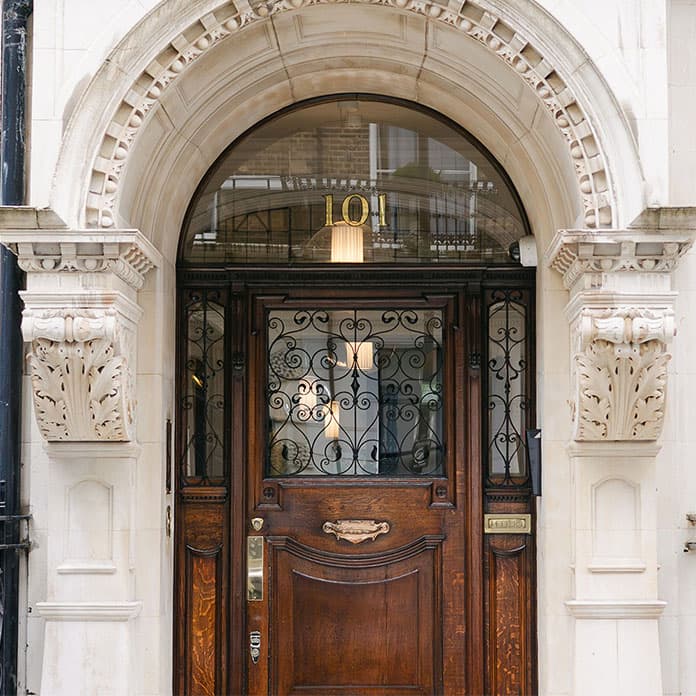
The clinic is at 101 Harley Street, London W1G 6AH, five to ten minutes on foot from Bond Street, Oxford Circus and Regent’s Park underground stations.

At L’Atelier Aesthetics, Julaine is now our first-choice treatment for most facial work in 2026. It stimulates collagen over time while also softening the skin on the day, which gives patients an immediate sense of the result and a gradual improvement from there. Sculptra remains our choice for patients who prioritise longevity or are being treated over larger areas.
Most patients need one to two treatments spaced four to six weeks apart. Dr Brennand confirms the exact number at consultation based on your skin, age and the area being treated.
Yes. Julaine is a regulated injectable and Dr Brennand has extensive experience with its use. The most common side effects are temporary redness, swelling or small bumps at the injection site, all of which settle within a few days.
Downtime is minimal. Some redness, mild swelling or small bumps can last up to 48 hours. Bruising can occur and typically clears within a few days. Most patients return to work the next day.
Yes. Julaine is often combined with Profhilo or dermal filler as part of a longer treatment plan. Dr Brennand will sequence the treatments at consultation so they complement each other.
Julaine is priced per treatment. Most patients need one to two treatments for the face. Exact dosing and pricing is confirmed at consultation with Dr Brennand.
We welcome patients from across Marylebone, Mayfair, Fitzrovia, Regent’s Park, Soho, Knightsbridge, Belgravia, Chelsea and Kensington, as well as visitors travelling to London for specialist aesthetic and skin treatments. Our location benefits from excellent transport links, with Oxford Circus only a 13 minute walk away, Bond Street and Regent’s Park Underground stations are also both within easy reach. The clinic is also conveniently accessible from major London rail stations and Heathrow, Gatwick and London City airports thanks to the Elizabeth line, making visits straightforward for both UK and international patients.
Whether you are travelling from within London or further afield, our Harley Street clinic provides a calm, professional environment for personalised aesthetic and skin health treatments in one of the capital’s most respected medical locations.