Written by the team at L’Atelier Aesthetics and checked by Dr Duncan Brennand
Few treatments in aesthetics carry as much misunderstanding as botulinum toxin. Despite being one of the most extensively studied cosmetic treatments in the world, it attracts persistent myths about safety, toxicity and long-term effects. Here, Dr Duncan Brennand addresses the most common concerns patients raise at L’Atelier Aesthetics.
The word “toxin” causes understandable concern, but it is worth understanding what this actually means in a clinical context. Virtually every pharmacologically active substance in medicine follows the same principle articulated by the 16th-century physician Paracelsus: the dose makes the poison. Water, oxygen and common vitamins all have lethal doses at extreme quantities. The question is never whether a substance is theoretically harmful in excess, but whether it is safe at the doses used therapeutically.
The doses of botulinum toxin used in cosmetic treatment are a tiny fraction of any clinically concerning threshold. A typical treatment uses somewhere between 20 and 60 units. The estimated lethal dose in humans is in the range of thousands of units administered intravenously. At cosmetic doses, botulinum toxin acts locally at the injection site, does not circulate systemically in meaningful amounts, and metabolises within months.
Botulinum toxin has been used in medicine since the 1970s, first in higher doses for conditions including strabismus, cervical dystonia and hyperhidrosis. Cosmetic use began in the late 1980s. The safety record across decades of clinical use, hundreds of millions of treatments, is extensive.
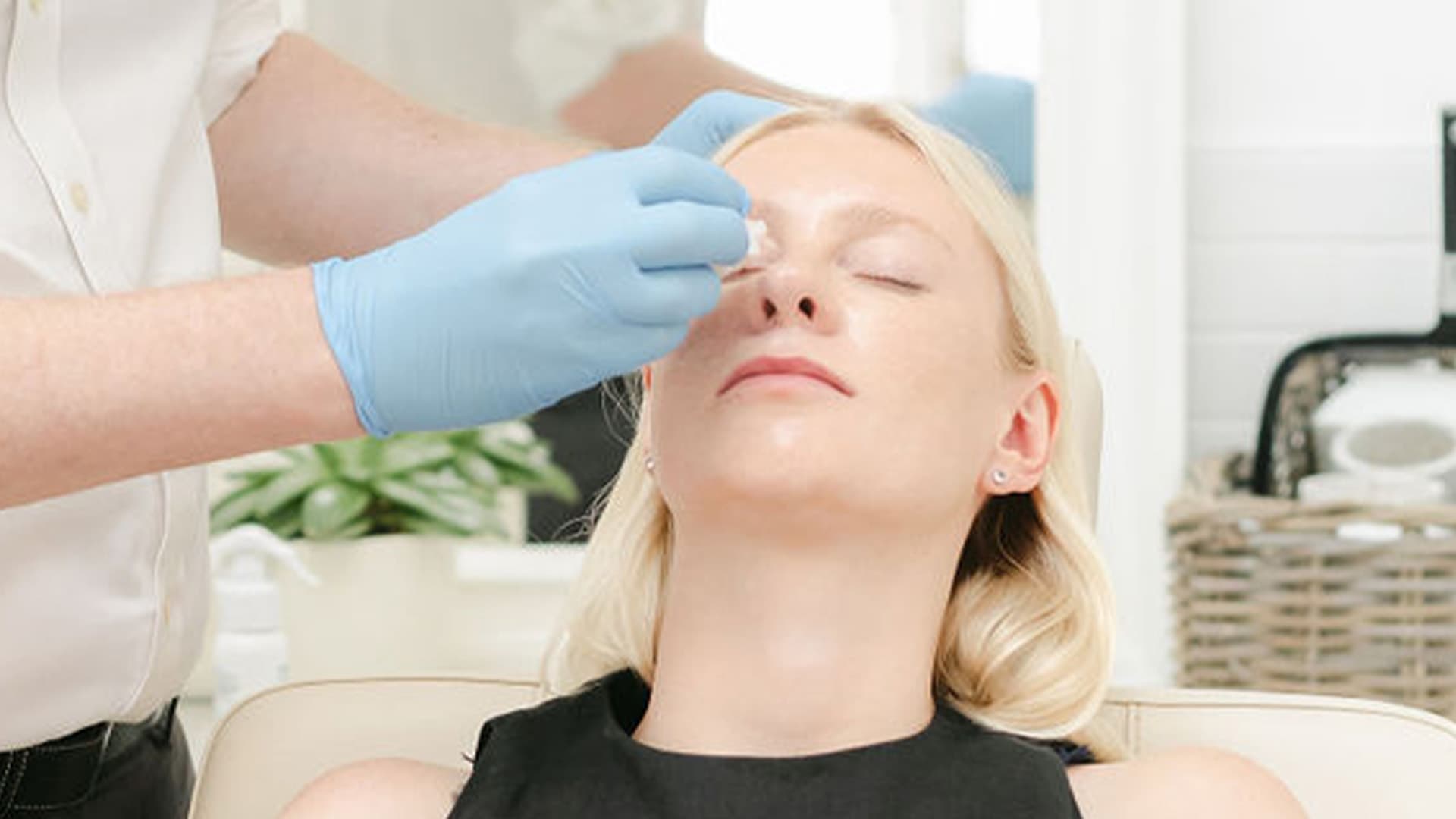
This outcome is entirely technique-dependent. The “frozen” appearance associated with botulinum toxin in popular culture results from over-treatment or misplaced injections that prevent natural facial movement. It is not an inherent property of the treatment. At L’Atelier Aesthetics, Dr Duncan Brennand’s approach prioritises subtle, natural-looking outcomes that preserve movement while softening lines. The goal is refinement, not immobility. Patients should be able to express emotions fully; the difference is simply that deep lines and creasing are softened in the process.
You can read more about our approach to anti-wrinkle injections on the treatment page.
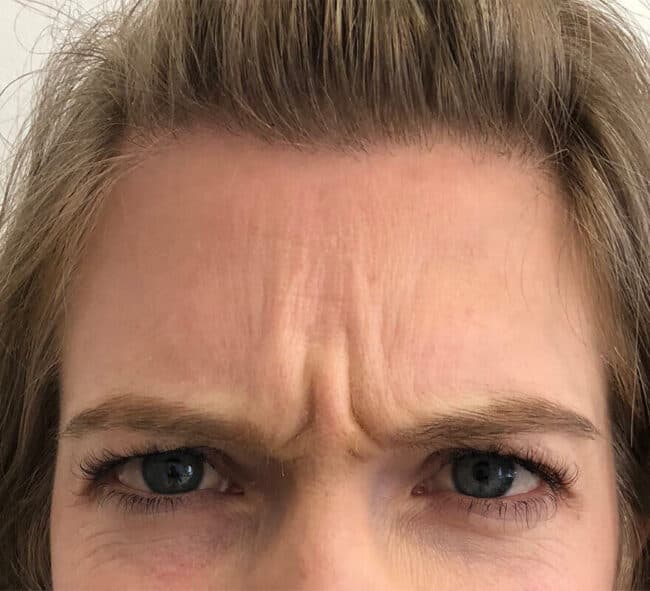
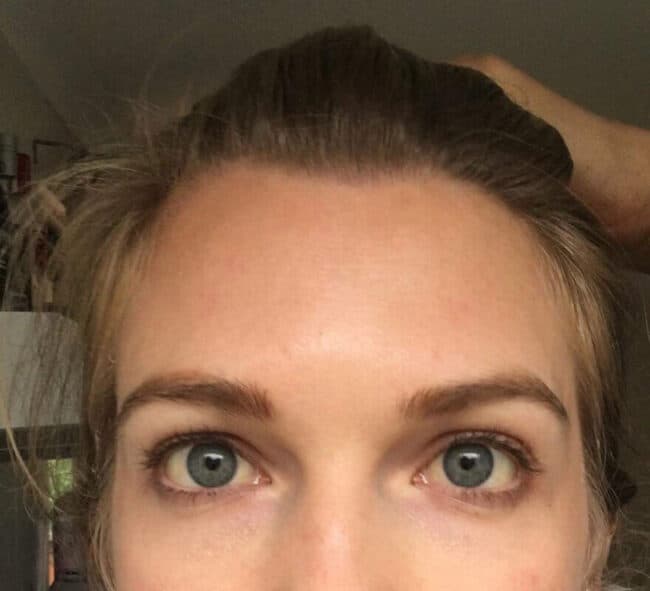
Botulinum toxin is temporary. It is metabolised by the body over a period of three to four months, and the treated muscles gradually regain full function. There is no permanent structural change to muscles with standard cosmetic use.
A common concern is that repeated treatment will cause muscles to waste away permanently. In practice, patients who use anti-wrinkle injections regularly over many years often find they need slightly less product over time, because the treated muscles are less actively engaged in creating the movements that cause lines. This is a predictable physiological adaptation, not damage.
Botulinum toxin has no addictive properties. There is no pharmacological mechanism by which it creates dependency. Patients who choose to continue treatment do so because they are satisfied with the results, not because of any physical compulsion.
The desire to maintain a result is not addiction. It is the same logic that explains why someone continues to use SPF or attends the dentist regularly. Many patients have anti-wrinkle injections for a period and then choose to stop, either because their priorities change or they are satisfied with the improvement in their skin from other treatments. When botulinum toxin wears off, the muscles gradually return to their prior pattern of movement. Lines will reappear, though in many cases the skin has benefited from the reduced mechanical stress during the treatment period.
There is no rebound worsening. Patients who stop treatment do not look worse than they did before they started.
Botulinum toxin has a wide range of cosmetic and medical applications beyond forehead lines and crow’s feet. At L’Atelier Aesthetics, it is used for:
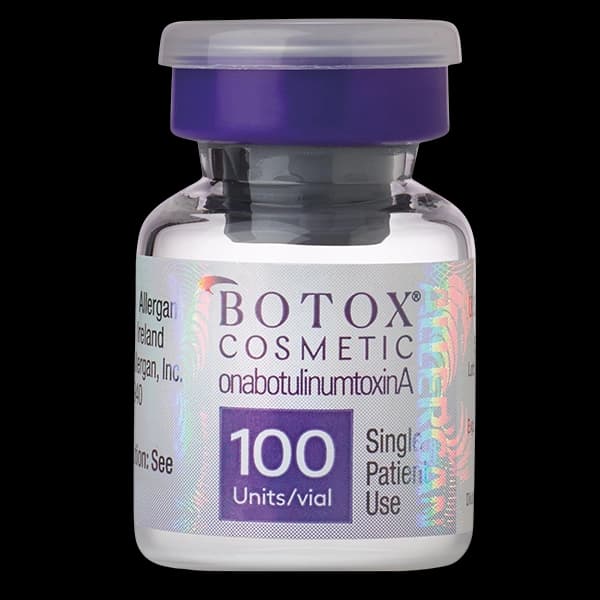
Several formulations of botulinum toxin A are available in the UK, including Botox, Azzalure, Bocouture and Dysport. These products have different unit conversions and slightly different diffusion profiles. The choice of product and the protocol used are clinical decisions that affect the outcome. The most significant variable, however, is the practitioner. In Dr Brennand’s view, the injector’s understanding of facial anatomy, treatment philosophy and technique matters far more than the brand of product used.
This is why we will always ensure your botox treatment is tailored to your goals as part of a thorough skin consultation.
In the UK, botulinum toxin is a prescription-only medicine and can only be administered by or under the supervision of a prescribing clinician. At L’Atelier Aesthetics, Dr Brennand personally consults and administers all injectable treatments. You can verify his registration on the GMC medical register (registration number 4341662) at gmc-uk.org.
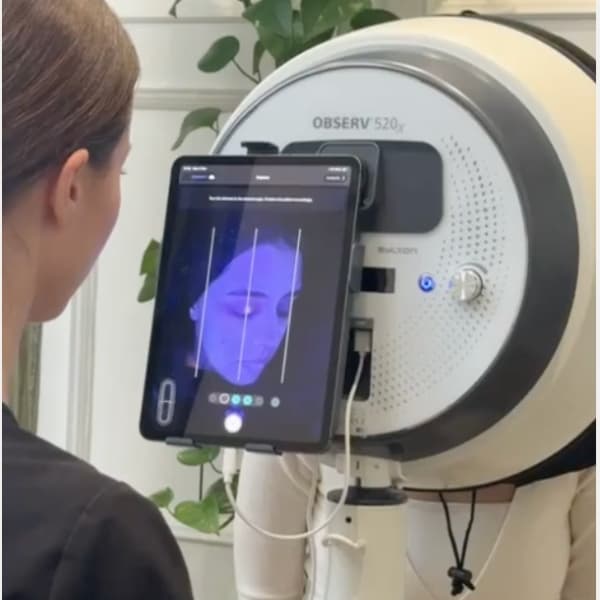
Dr Duncan Brennand will review your concerns, your medical history, any prior treatment history, and your aesthetic goals. He will assess your facial anatomy and movement before recommending a treatment plan. No treatment is administered at the same appointment as a new patient consultation.
Most patients describe the injections as a mild sting lasting a second or two. A fine-gauge needle is used and topical numbing can be applied beforehand for patients who prefer it. The treatment itself takes around 15 to 30 minutes.
Initial anti-wrinkle results become visible within two to five days, with the full effect apparent at two weeks. A follow-up review is offered to assess the outcome and address any areas that may benefit from a small additional treatment. Treatment results and timings do vary based on the individual.
Typically three to four months for most patients, though this varies depending on the treatment area, dosage, muscle mass and individual metabolism. Over time, some patients find intervals can extend slightly as muscles adapt.
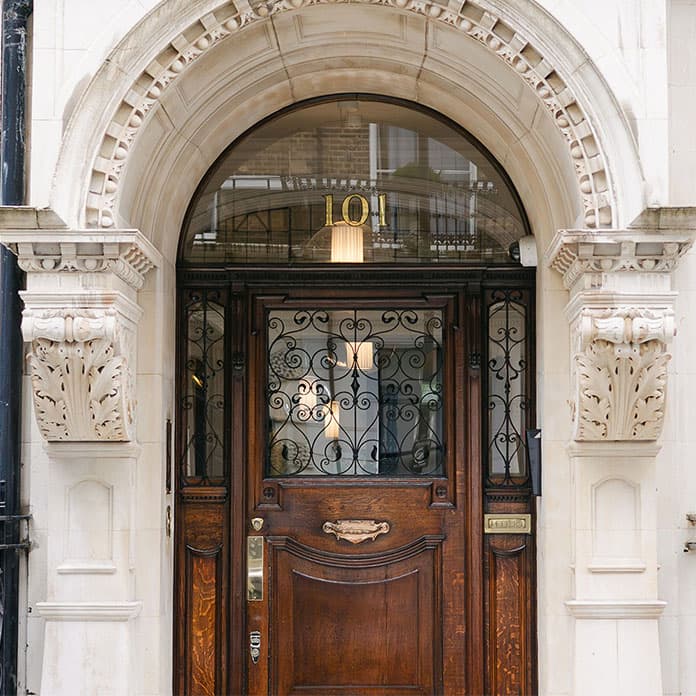
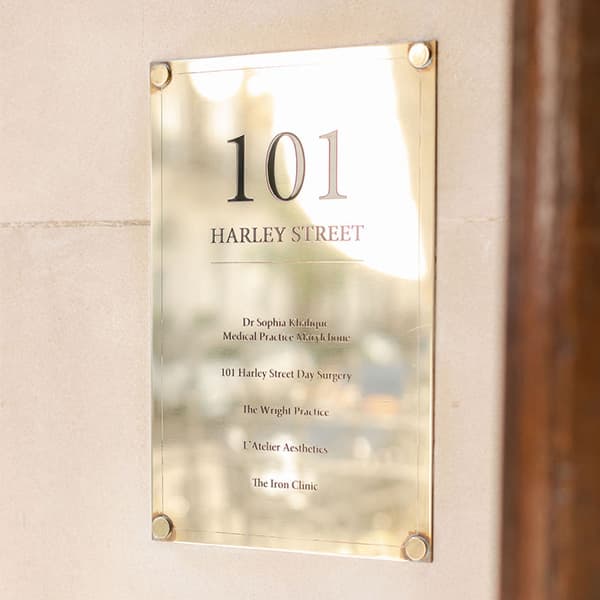
L’Atelier Aesthetics is located at 101 Harley Street, London W1G 6AH, a short walk from Bond Street, Oxford Circus and Regent’s Park tube stations. Consultations with Dr Brennand can be booked directly through our website, or you are welcome to call the clinic to arrange a time that suits you or give us a WhatsApp.
Our Botox prices start from £275*.
We welcome patients from across Marylebone, Mayfair, Fitzrovia, Regent’s Park, Soho, Knightsbridge, Belgravia, Chelsea and Kensington, as well as visitors travelling to London for specialist aesthetic and skin treatments. Our location benefits from excellent transport links, with Oxford Circus only a 13 minute walk away, Bond Street and Regent’s Park Underground stations are also both within easy reach. The clinic is also conveniently accessible from major London rail stations and Heathrow, Gatwick and London City airports thanks to the Elizabeth line, making visits straightforward for both UK and international patients.
Whether you are travelling from within London or further afield, our Harley Street clinic provides a calm, professional environment for personalised aesthetic and skin health treatments in one of the capital’s most respected medical locations.