Reduce stretch marks and smooth skin on the body and face with personalised non surgical treatments at L’Atelier, Harley Street, London.
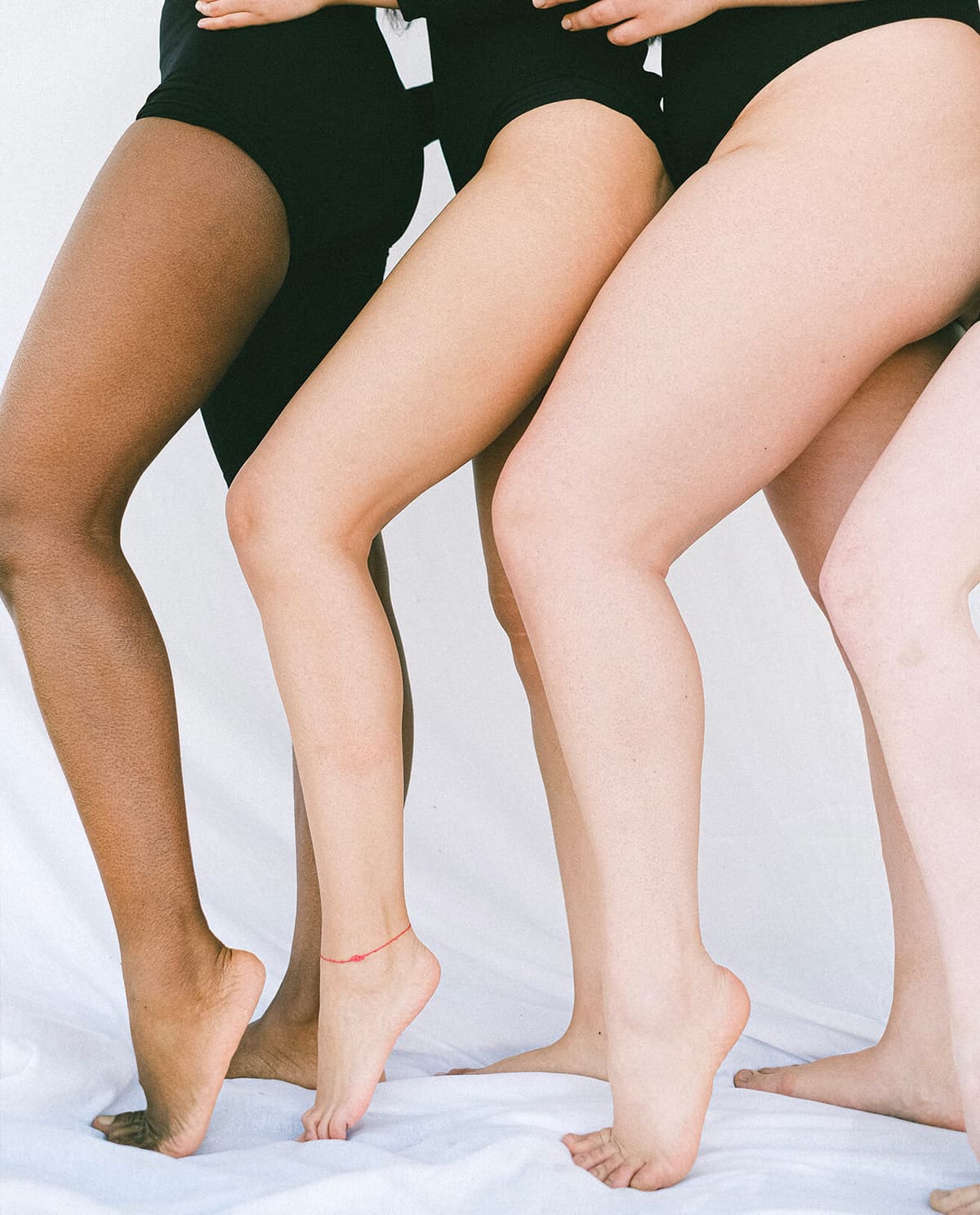
They are most common on the stomach, hips and thighs, and often appear during periods of rapid body change such as growth, pregnancy, weight fluctuations or increased muscle mass.
While completely natural, stretch marks can affect confidence and skin texture. They often begin as red, purple or pink streaks (striae rubrae) before fading into paler, silvery lines (striae alba). Over time, the skin may feel thinner or slightly indented in the affected areas.
At L’Atelier Aesthetics, we take a clinically led and personalised approach to improving stretch marks. By addressing collagen loss, skin thinning and structural weakness in the affected areas, we aim to restore smoother texture, stronger elasticity and healthier-looking skin.
Stretch marks form when the dermis (the supportive middle layer of the skin )stretches beyond its natural capacity. When the tissue fibres are unable to keep up with rapid expansion, tiny tears form within the dermis, creating visible streaks on the skin’s surface.
Common areas affected include:
Stomach:
Often due to pregnancy, growth, or weight changes.
Hips:
A common site as the body stores fat and muscle in this region.
Thighs:
Frequent in both men and women, especially during growth spurts or increases in muscle mass.
Stretch marks vary in colour and depth depending on their age, skin tone, genetics and how quickly they formed:
Rapid stretching of the skin:
Sudden changes in body shape or size can cause the dermal fibres to tear.
Reduced collagen and elastin:
Lower levels of skin elasticity make the skin more prone to visible stretching.
Genetics:
Some individuals are naturally more likely to develop stretch marks.
Hormonal changes:
Fluctuations during puberty, pregnancy or endocrine shifts can weaken the dermal structure.
Body composition changes:
Increases in muscle mass, fat distribution, or weight fluctuations can overstretch the skin.
Because these factors vary individually, every case of stretch marks is different in texture, depth and severity.
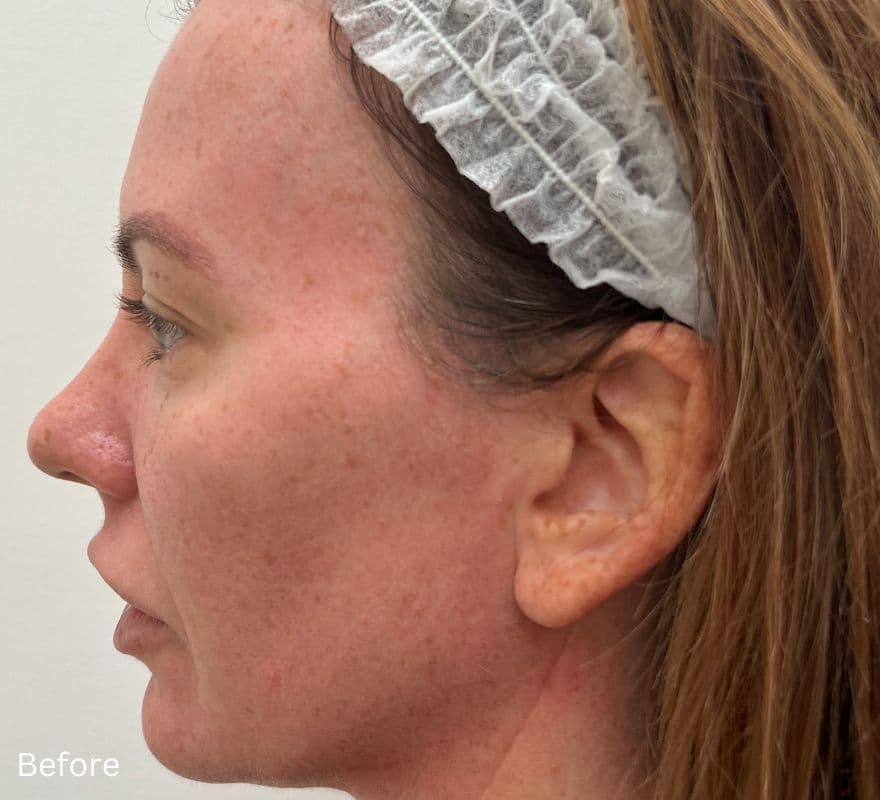
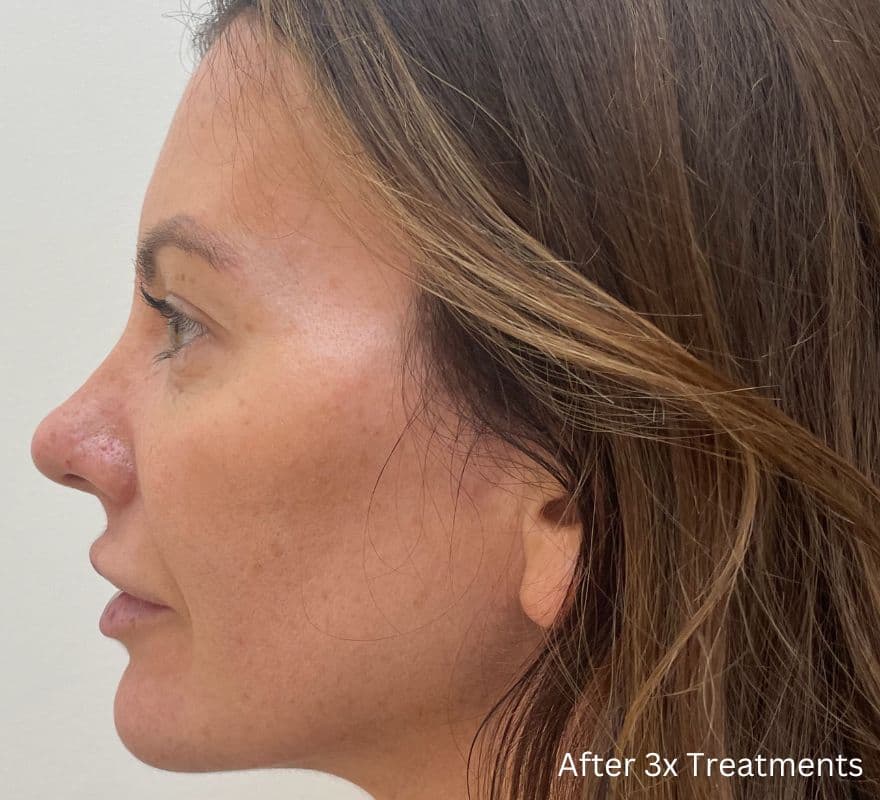
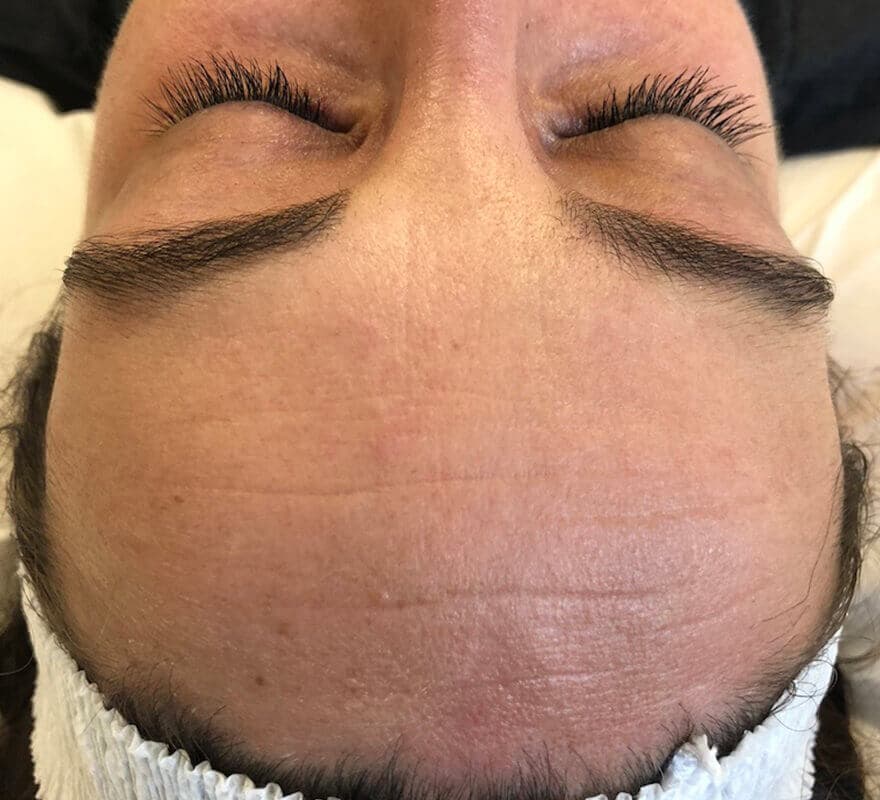
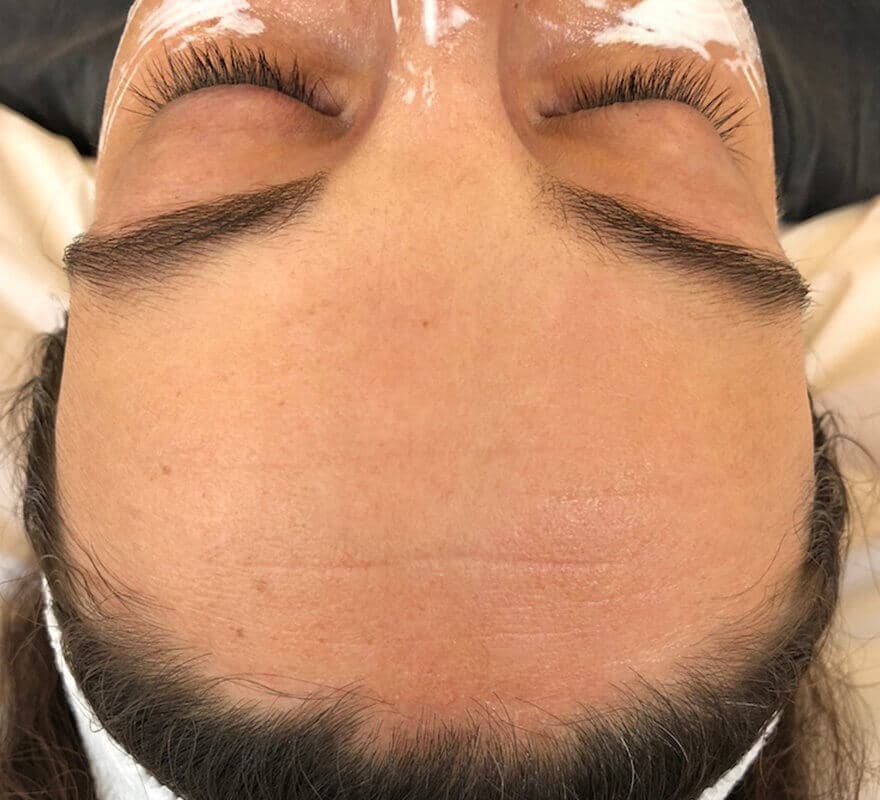
Stretch marks can appear on many areas of the body, including the stomach, hips, thighs, breasts, arms, buttocks and, in some cases, the face. Every case is different, so after your consultation we will recommend the most suitable treatment or combination to improve texture, strengthen the skin and soften the appearance of marks wherever they occur.
Morpheus8 is one of the most effective treatments for stretch marks on both the body and face.
It combines microneedling with radiofrequency energy to rebuild collagen in the deeper layers of the skin, smoothing texture and improving firmness.
Microneedling encourages the skin to repair itself by stimulating new collagen.
It is particularly effective for improving the appearance of stretch marks that are fine or moderate in depth.
Polynucleotides enhance regeneration and improve tissue quality from within.
They help strengthen weakened skin and support collagen rebuilding, making them ideal for stretch marks caused by thinning or loss of elasticity.
Juläine stimulates long-term collagen production and helps rebuild the deeper support structure within the skin.
It is a good option for stretch marks that appear indented or where the skin feels structurally weak.
Skin boosters deliver deep hydration and improve the surface quality of the skin.
While not a standalone treatment for deep stretch marks, they enhance smoothness and luminosity when used alongside collagen-stimulating treatments.
Stretch marks develop when the deeper layers of the skin stretch faster than they can adapt. This can happen during weight changes, growth spurts, pregnancy, muscle gain, hormonal shifts or due to genetic predisposition.
Stretch marks can be treated on the stomach, hips, thighs, breasts, buttocks, arms and, in some cases, the face. Your clinician will advise the safest and most effective approach for each area.
It depends on the depth, age and location of the stretch marks:
Morpheus8 for deeper or mature stretch marks
Microneedling for fine or moderate stretch marks
Polynucleotides to improve skin thickness and quality
Juläine for deeper structural strengthening
Skin boosters to enhance surface texture and hydration
Often, a combination approach gives the best results.
Stretch marks cannot be completely erased, but they can be significantly improved. With the right treatment, the skin can become smoother, firmer, and the marks can appear lighter and less visible.
Yes. Fresh stretch marks that appear red, pink or purple generally respond more quickly because collagen is still active in the area. Older, silvery marks can still improve, but may require more sessions.
Most clients require a course of 3–6 treatments, depending on the treatment chosen and the severity of the stretch marks. Your practitioner will advise the recommended number during your consultation.
Downtime varies by treatment:
Morpheus8: Mild redness and sensitivity for a few days
Microneedling: Pinkness for 24–48 hours
Polynucleotides / skin boosters: Slight swelling or small bumps that settle quickly
You can typically return to normal activities the same day or the next.
Most treatments are well tolerated. Numbing cream is often used for microneedling and Morpheus8 to ensure comfort.
Yes. The goal is to improve texture, firmness and overall skin quality gradually. Results develop naturally as collagen is rebuilt and the skin becomes stronger and smoother.
Absolutely. Many clients see the best results with a combination such as Morpheus8 & Polynucleotides, or Microneedling + skin boosters, depending on the depth and location of the stretch marks.
At L’Atelier, we take a thoughtful and clinically led approach to stretch marks, assessing the underlying changes in collagen, elasticity and skin structure that contribute to their appearance. With this understanding, we create a bespoke treatment plan designed to rebuild strength, refine texture and achieve smoother, more resilient skin over time.
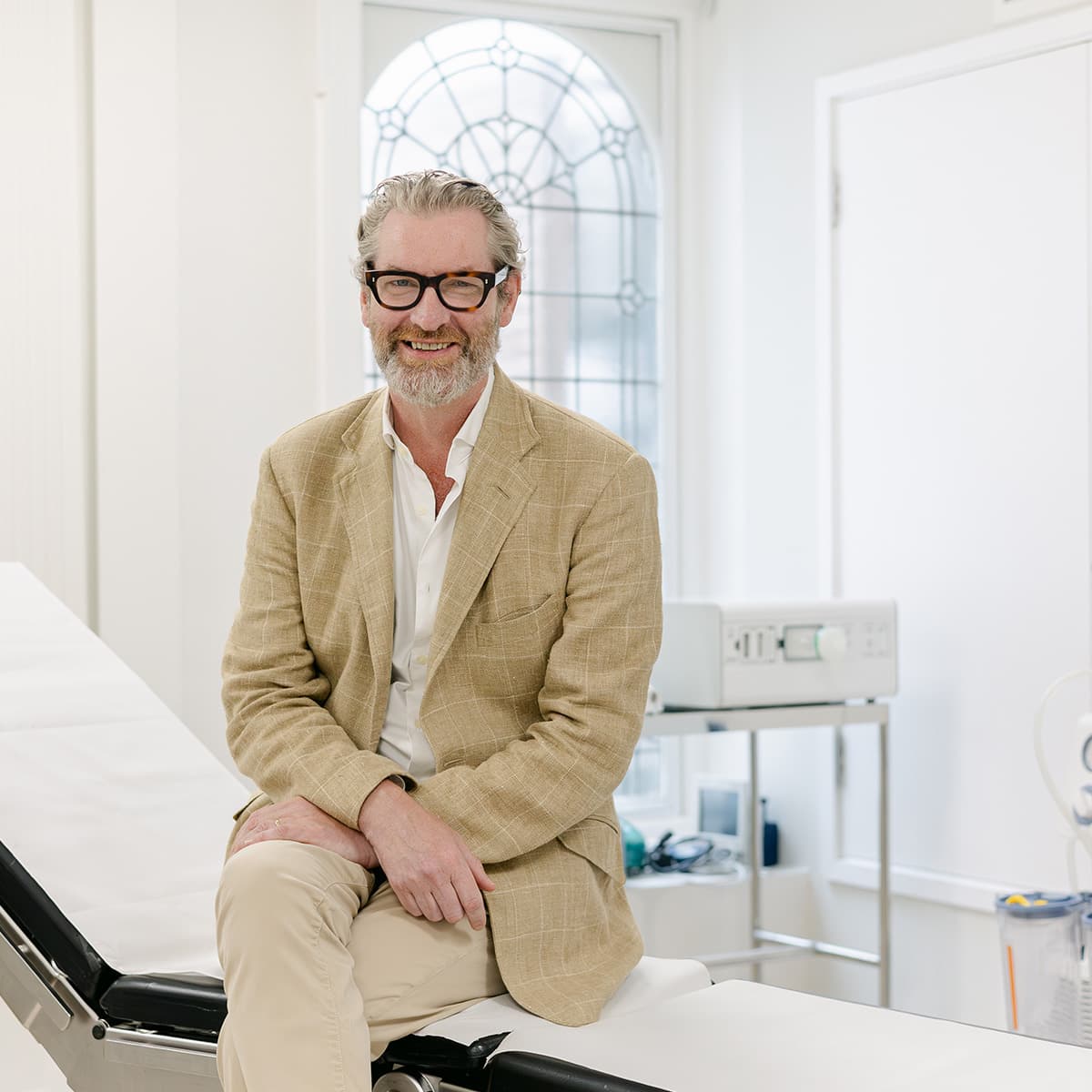
Dr Duncan Brennand is the Lead Aesthetic Physician at L’Atelier Aesthetics and has extensive experience in advanced collagen-stimulating treatments and skin remodelling. He specialises in addressing changes in skin texture and elasticity, making him highly skilled in treating stretch marks across the stomach, hips, thighs and other body areas.
Using a precise and clinically led approach, Dr Brennand combines treatments such as Morpheus8, microneedling, polynucleotides and bio-stimulators to rebuild strength within the skin and improve the appearance of both new and mature stretch marks. During your consultation, he will assess the depth, age and location of your stretch marks and create a personalised plan designed to achieve smoother, firmer and long lasting results.
We are delighted to have over 200+ 5 star reviews. Your feedback is always important to us, as it helps us to improve our systems and processes in our continual pursuit of excellence. If you have any suggestions, comments, or concerns please get in touch.
Considering a dermal filler treatment? Learn more through our blog articles.
We welcome patients from across Marylebone, Mayfair, Fitzrovia, Regent’s Park, Soho, Knightsbridge, Belgravia, Chelsea and Kensington, as well as visitors travelling to London for specialist aesthetic and skin treatments. Our location benefits from excellent transport links, with Oxford Circus only a 13 minute walk away, Bond Street and Regent’s Park Underground stations are also both within easy reach. The clinic is also conveniently accessible from major London rail stations and Heathrow, Gatwick and London City airports thanks to the Elizabeth line, making visits straightforward for both UK and international patients.
Whether you are travelling from within London or further afield, our Harley Street clinic provides a calm, professional environment for personalised aesthetic and skin health treatments in one of the capital’s most respected medical locations.
Google Reviews Rated 4.9 ★ ★ ★ ★ ★ from 271 Reviews