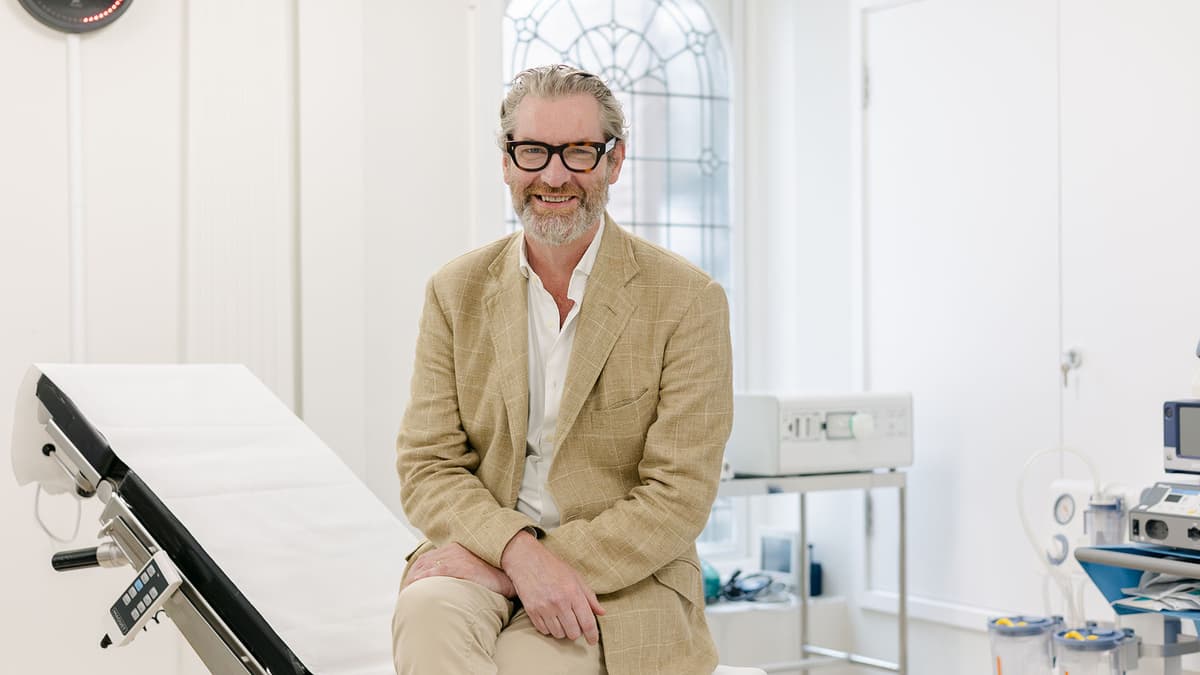
Written by the L’Atelier Aesthetics team on 5th February 2026 and checked by Dr Duncan Brennand.
Winter has a way of showing up on your skin. Heating, cold air, wind exposure and lower humidity can leave even healthy skin looking dull, dry or uneven. Pigmentation can appear more obvious, breakouts may linger longer, and texture can feel rough or tired.
It’s often around this time of year that patients start looking for a gentle “reset”.
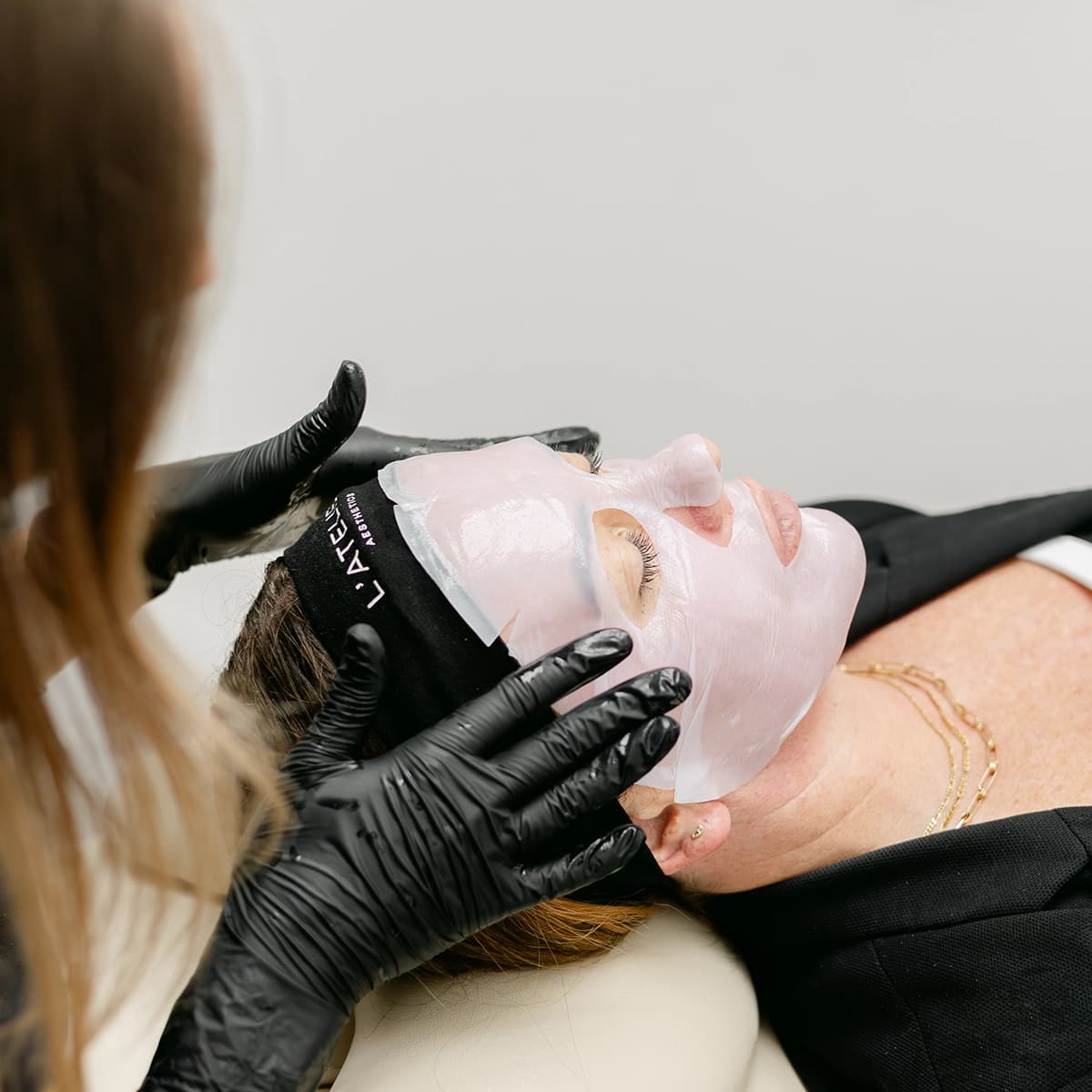
A chemical peel Winter treatment can be a simple, controlled way to refresh the skin, improve tone and restore clarity – but not all peels are the same. Understanding the differences helps you choose safely and get results that feel natural rather than aggressive.
Despite the name, chemical peels are usually much gentler than people expect.
In simple terms, a chemical peel helps the skin by using carefully selected acids to:
dissolve dead skin cells
increase cell turnover
unclog pores
stimulate fresh, healthy skin underneath
By encouraging the skin to renew itself, peels can improve:
dullness
uneven tone
breakouts
rough texture
Think of it as guiding your skin to behave like younger, healthier skin again.
Winter is often considered the ideal season for treatment for a few practical reasons.
Lower UV exposure reduces the risk of post-treatment pigmentation
Skin is typically less sweaty or irritated
It’s easier to stay out of strong sun while healing
Light flaking or redness is easier to manage day-to-day
For many patients, a chemical peel in Winter fits naturally into their routine and allows the skin to recover comfortably.
Not at all. Chemical peels vary in both strength and depth, and stronger doesn’t automatically mean better.The goal isn’t to remove as much skin as possible. It’s to choose the right peel for your skin type and concern. A well-selected superficial peel can often deliver better, safer results than an overly aggressive treatment. This is where our team at L’Atelier aesthetics comes in, we will recommend you the correct peel based on your needs and skin concerns.
Your practitioner will recommend the appropriate level based on your skin rather than jumping straight to the strongest option.
| L’Atelier Peel | Peel Depth | Why it fits | Typical Downtime |
|---|---|---|---|
| Radiance Peel | Superficial peel | Designed to refresh and refine the skin surface, improve glow and texture with minimal disruption | MinimalLight dryness or flaking0 to 2 days |
| Glow Peel | Superficial peel | Focuses on brightening and smoothing through gentle but effective exfoliation | MinimalMild redness or dryness1 to 3 days |
| Glow Peel Plus | Medium depth peel | Medical grade resurfacing targeting deeper pigmentation, texture and early scarring | ModerateVisible peeling and redness3 to 7 days |
| The Perfect Peel® | Medium depth peel | A more powerful, transformative peel suitable for multiple concerns and skin types | ModerateNoticeable peeling and recovery5 to 7 days |
If you’re searching for the best chemical peel for your skin type, this general guide can help:
Pigmentation or sun spots → brightening or melanin-targeting peels
Acne or breakouts → exfoliating, pore-clearing peels
Fine lines and texture → collagen-stimulating peels
Dull, tired skin → gentle resurfacing peels
Often, a course of lighter treatments gives more consistent, natural-looking improvement than one intense peel.
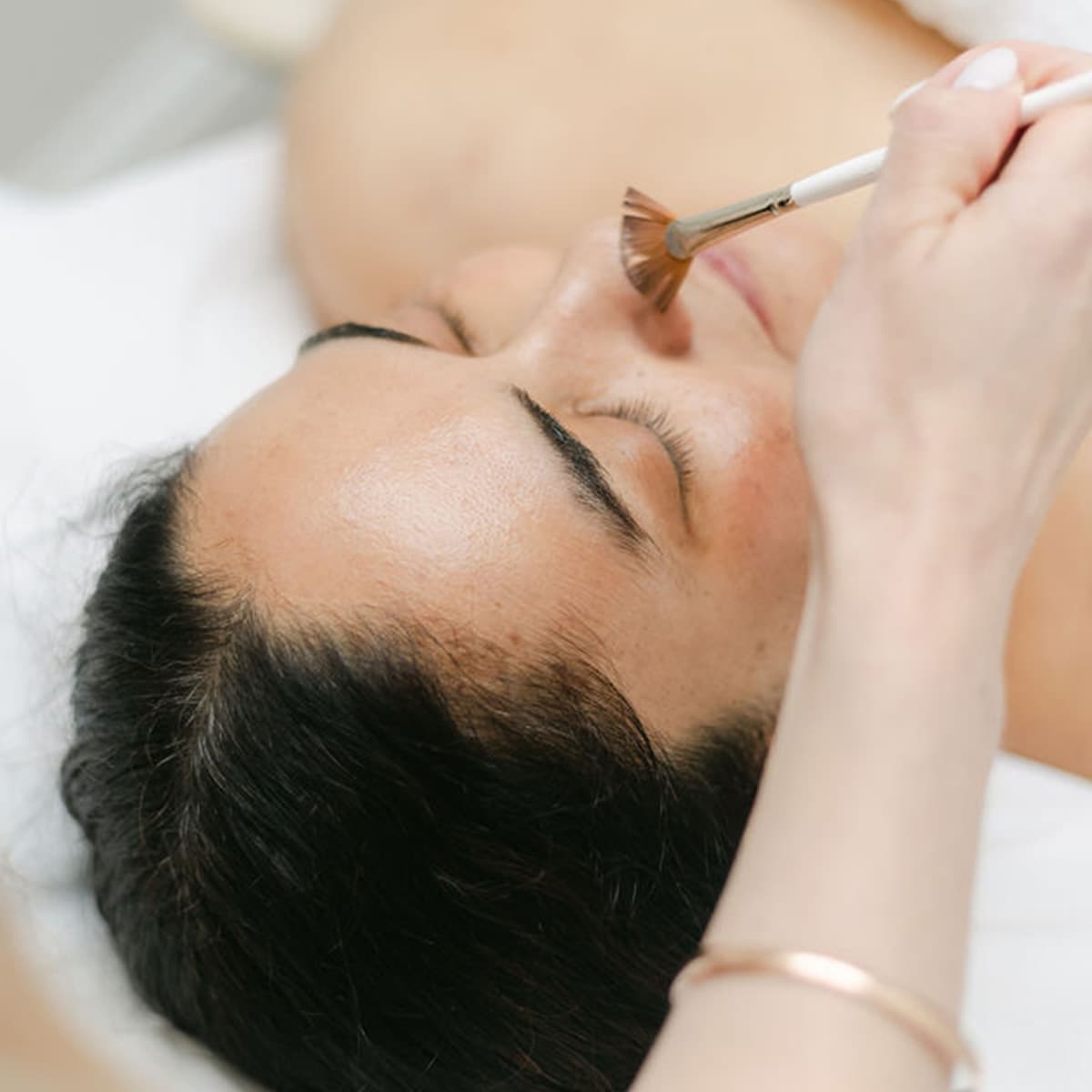
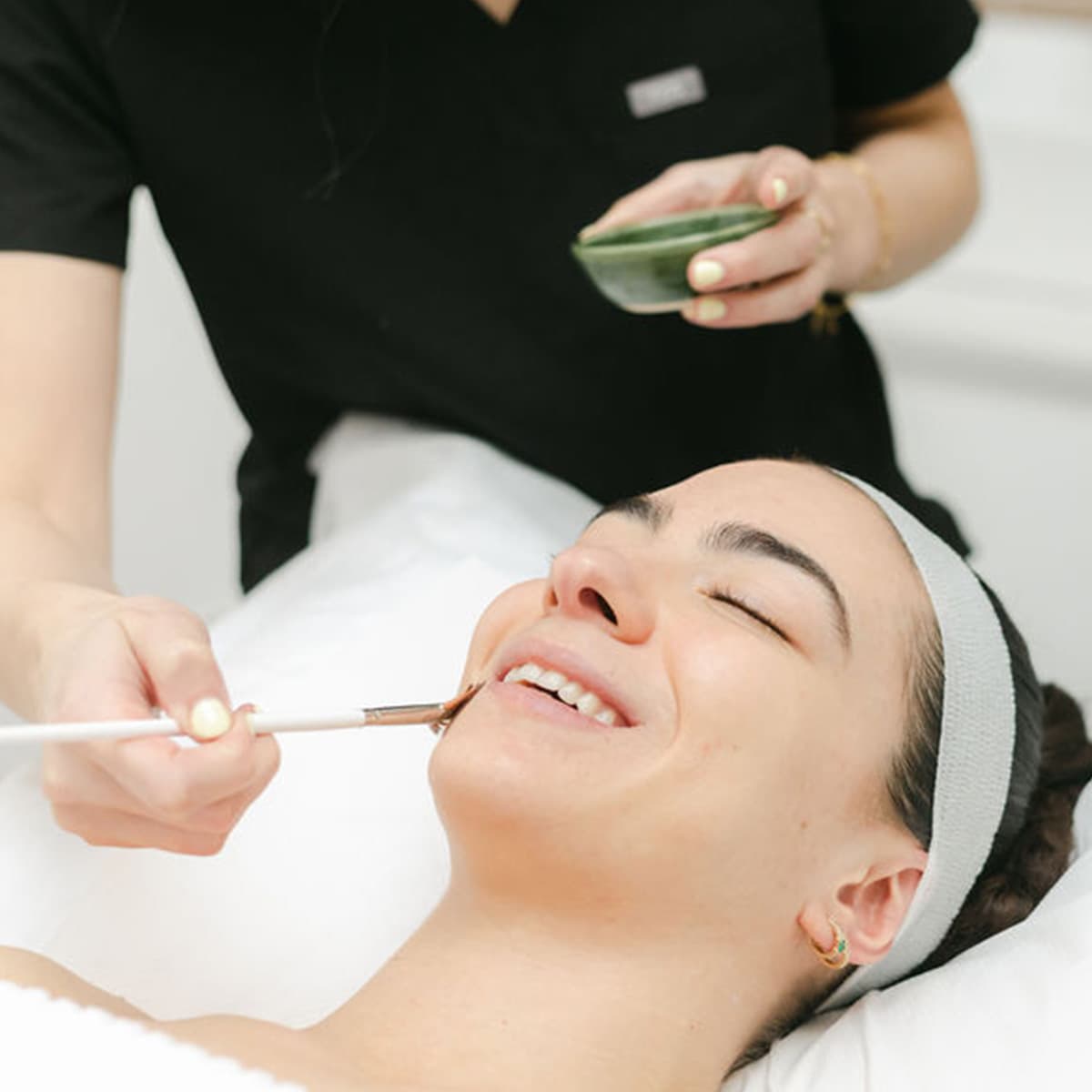
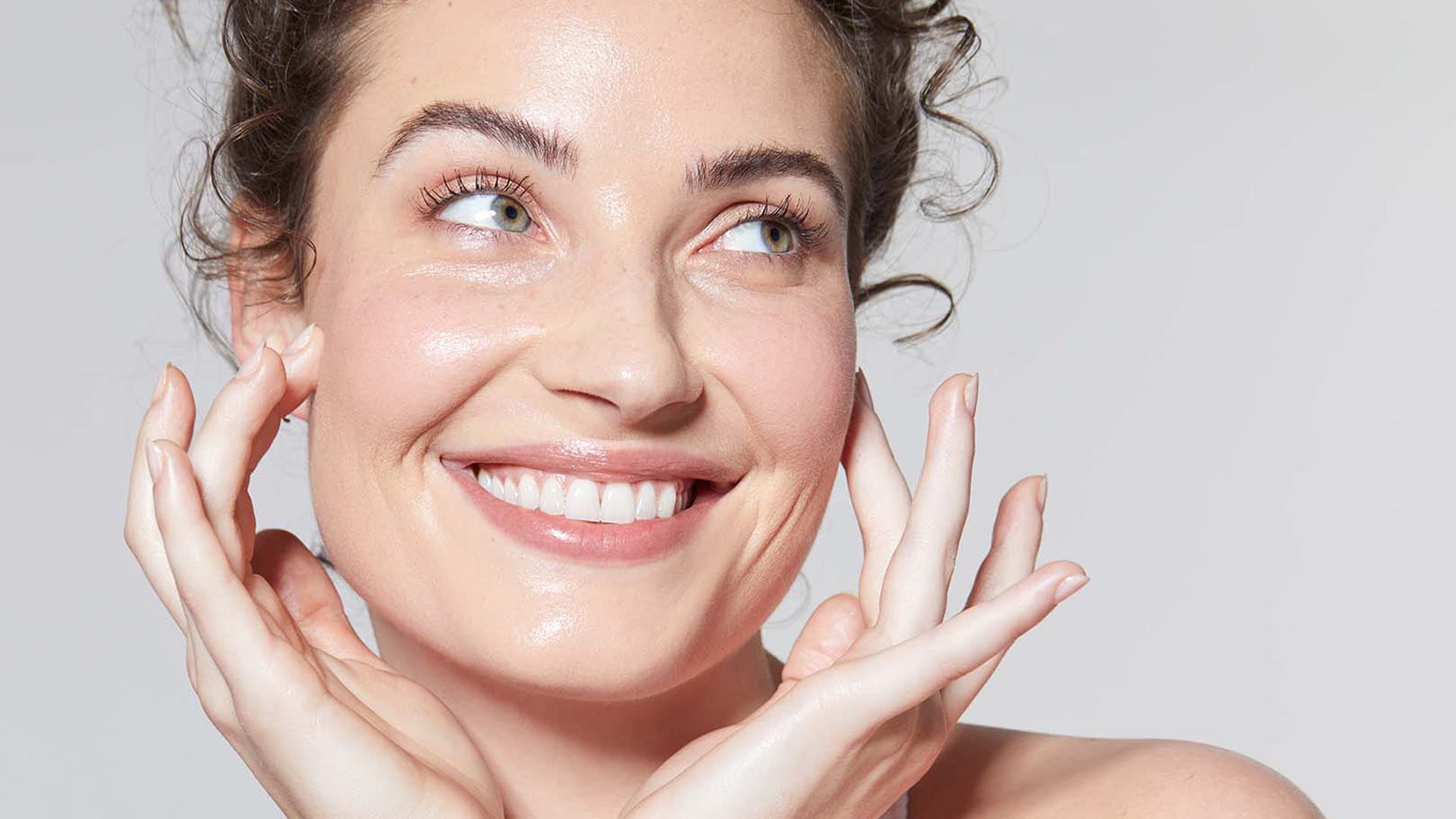
After a peel, skin usually looks brighter, smoother, clearer and more even. The results can be visible within days, with continued improvement over several weeks. Depending on your goals, you may benefit from a single refresh treatment or a short course of 3–6 sessions- change this to a single refresh or for best skin maintenance every 4-6 weeks Maintenance treatments every few months help keep skin healthy long term.
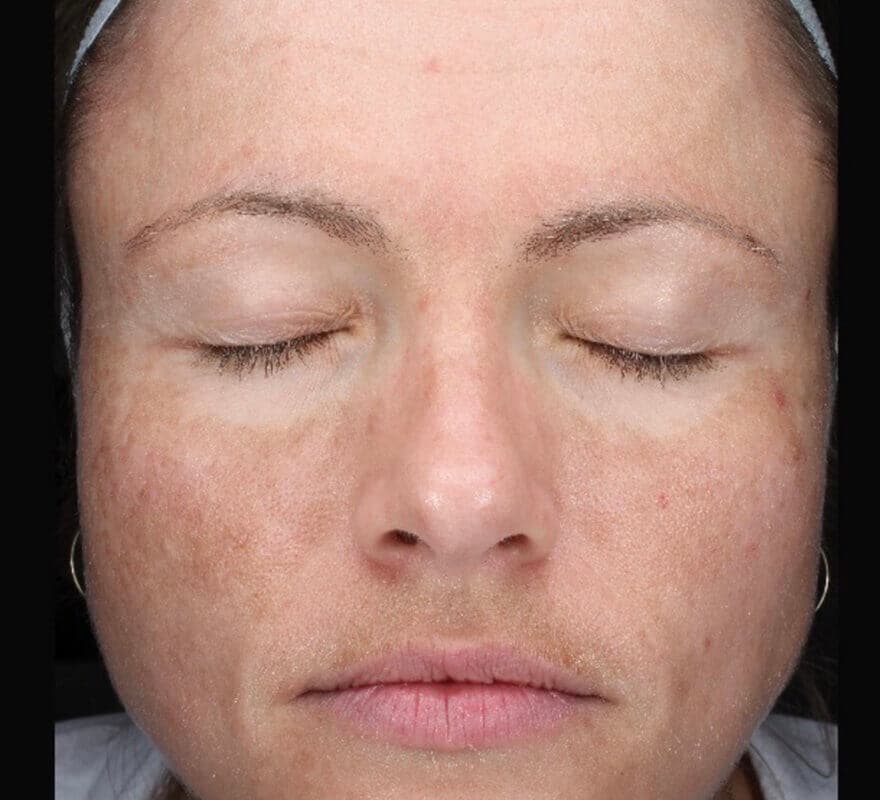
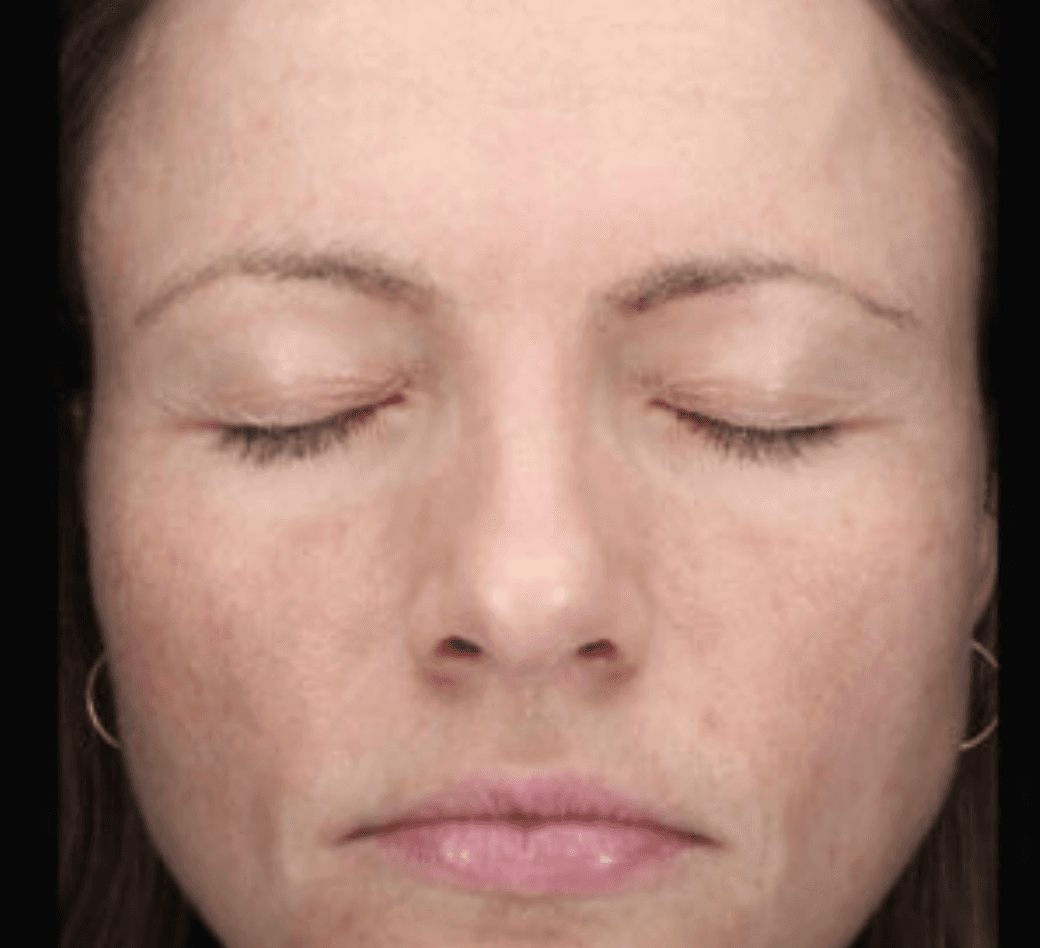
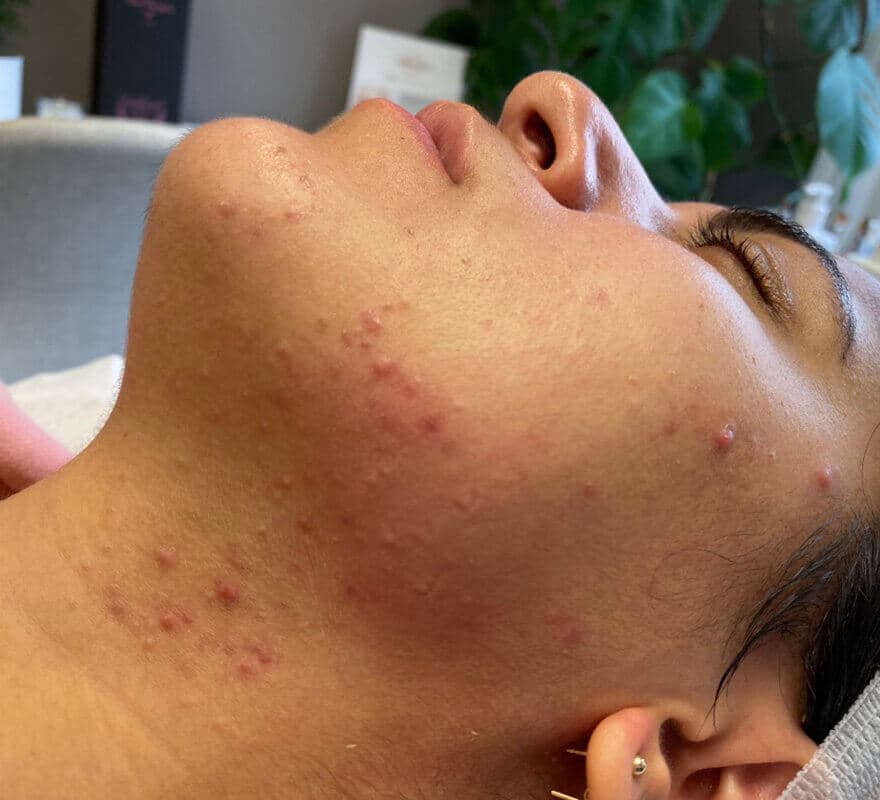
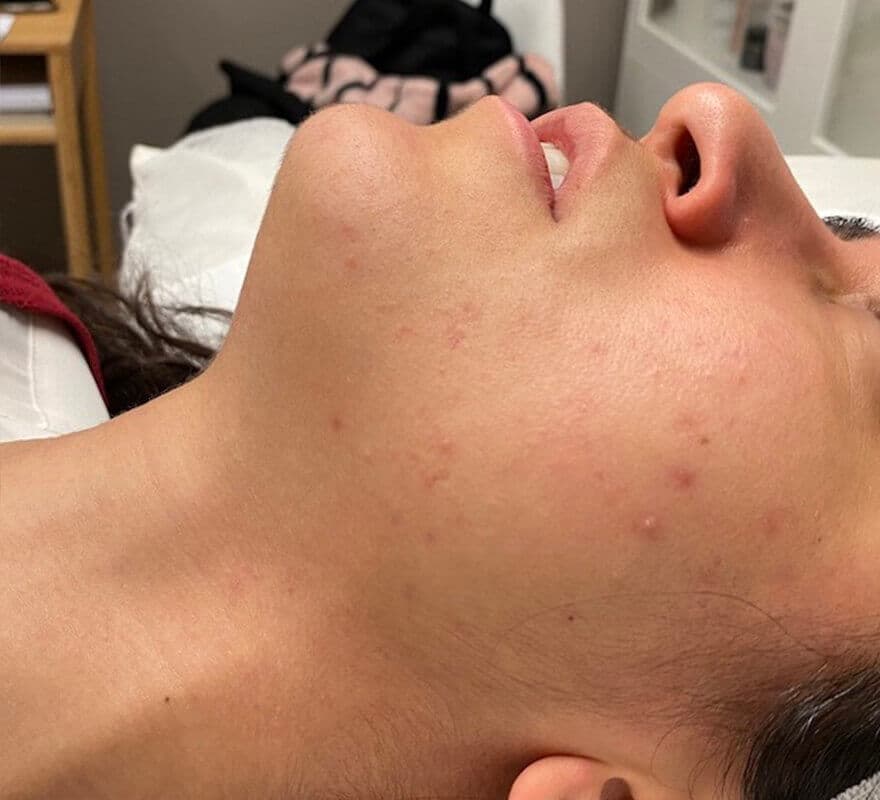
Not every peel suits every skin type.Skin tone, sensitivity, lifestyle and medical history all influence which treatment is safest.
Darker skin tones, for example, require careful selection to avoid pigmentation changes. Sensitive or rosacea-prone skin may need gentler approaches. A professional consultation with our team at L’Atelier Aesthetics on Harley Street ensures the peel is tailored to your skin, not chosen from a menu.
Understanding chemical peel downtime helps you plan realistically.
Most patients experience:
mild redness
dryness
light flaking for a few days
During recovery, you’ll usually be advised to:
use gentle skincare
avoid active ingredients
wear daily SPF
avoid strong sun exposure
Following aftercare carefully makes a noticeable difference to your results.
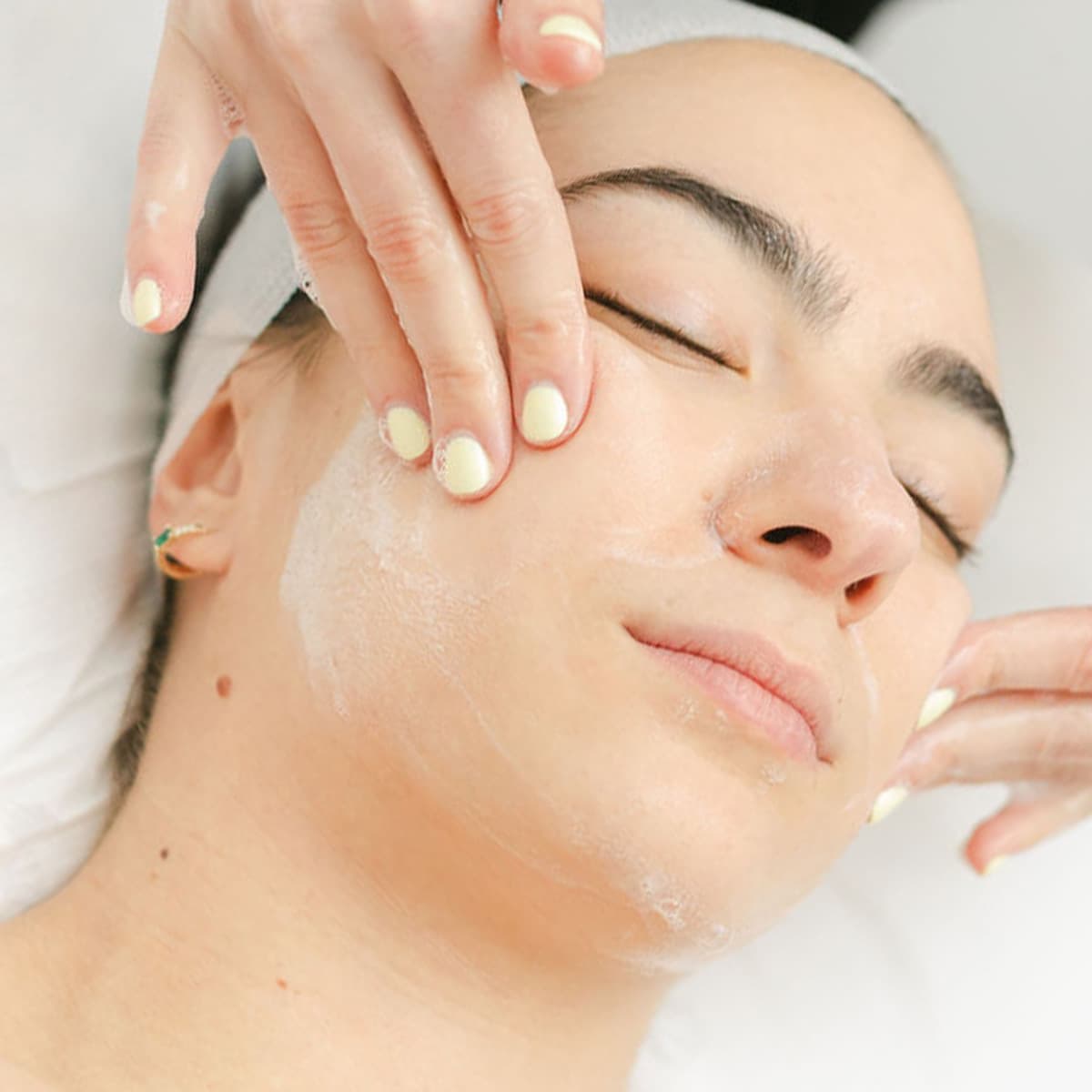
When it comes to chemical peels, stronger isn’t better. The best results come from choosing a treatment that supports your skin’s natural renewal process without overwhelming it. A thorough medical consultation at our clinic in Harley Street allows your practitioner to match the peel to your skin goals, whether that’s brightness, clarity or smoother texture, improvements that look like you, just refreshed.
Most feel like mild tingling or warmth. Discomfort is usually brief and manageable.
For superficial peels, very little. Medium peels may involve several days of peeling or redness.
Often yes, with a gentler formula. A consultation is important to assess suitability.
Yes, when selected carefully by an experienced practitioner using appropriate techniques.
Light peels can be done every 4–6 weeks. Your practitioner will recommend a schedule.
Sometimes lightly, sometimes not at all. Visible peeling isn’t required for results.
Usually after 24 hours, depending on the peel type.
It’s often ideal due to lower sun exposure, which makes healing easier and safer.
We always value your feedback. You can read all our patient reviews on our Google Profile including chemical peels in London.
Your feedback is always important to us, as it helps us to improve our systems and processes in our continual pursuit of excellence. If you have any suggestions, comments, or concerns please get in touch.
Our clinic is located on Harley Street in Marylebone, London, one of the world’s most prestigious and historic medical districts. Situated within 101 Harley Street, our clinic offers a discreet and refined setting in the heart of Central London, renowned for its concentration of leading medical and aesthetic specialists.
We welcome patients from across Marylebone, Mayfair, Fitzrovia, Regent’s Park, Soho, Knightsbridge, Belgravia, Chelsea and Kensington, as well as visitors travelling to London for specialist aesthetic and skin treatments.
Our location benefits from excellent transport links, with Oxford Circus, Bond Street and Regent’s Park Underground stations all within easy reach. The clinic is also conveniently accessible from major London rail stations and Heathrow, Gatwick and London City airports, making visits straightforward for both UK and international patients.
Whether you are travelling from within London or further afield, our Harley Street clinic provides a calm, professional environment for personalised aesthetic and skin health treatments in one of the capital’s most respected medical locations.
Google Reviews Rated 4.9 ★ ★ ★ ★ ★ from 271 Reviews