When it comes to collagen stimulating injectable treatments, Julaine and Sculptra are two names that patients frequently ask about. Both are designed to improve skin quality gradually by encouraging your body to produce its own collagen, rather than by adding volume in the way traditional dermal fillers do.
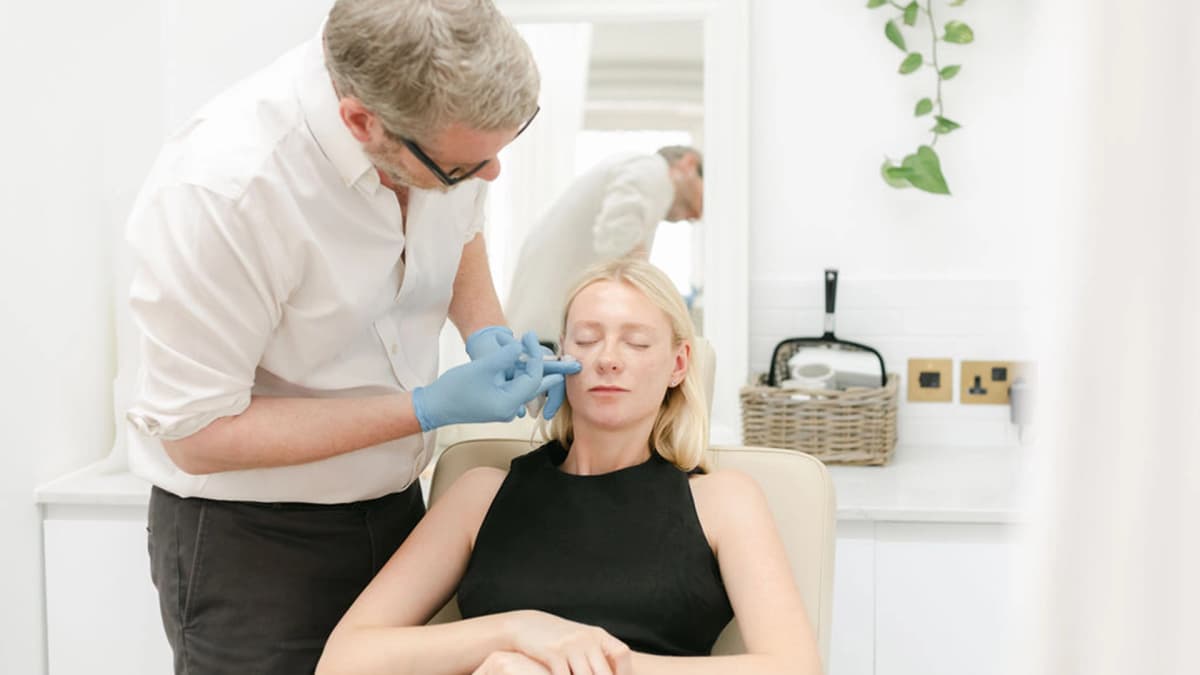
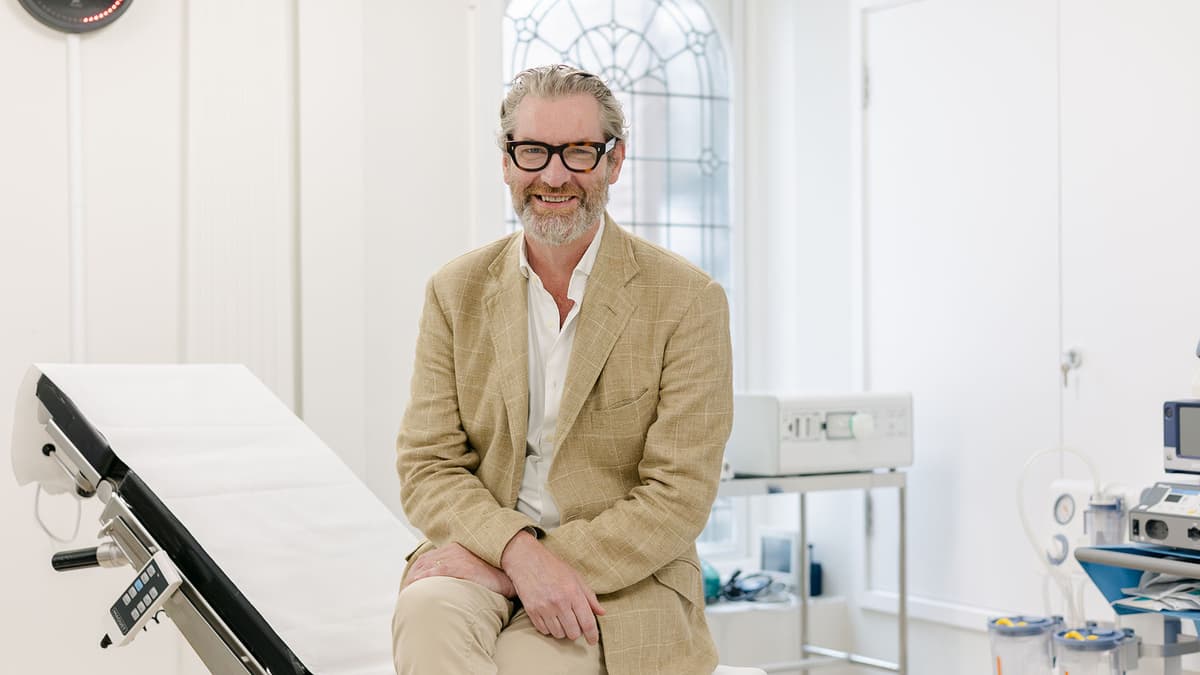
At L’Atelier Aesthetics at 101 Harley Street, collagen stimulation is approached with precision, restraint, and a deep understanding of facial structure. All Julaine treatments are performed by Dr Duncan Brennand, whose focus is on achieving natural, progressive improvements in skin quality and facial support, without over treatment or distortion.
If you are researching Julaine vs Sculptra, this guide explains the key differences, similarities, and considerations to help you make an informed decision.
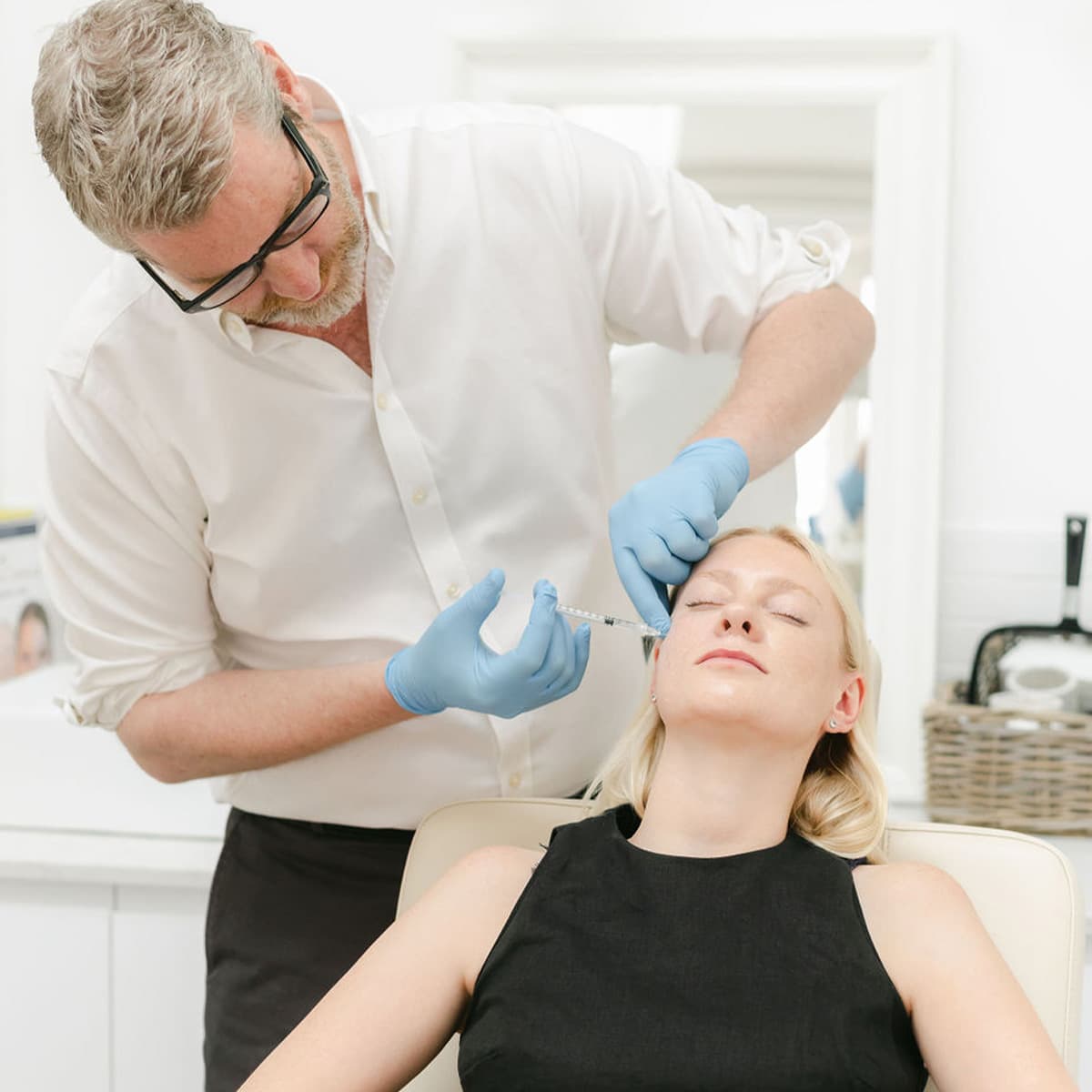
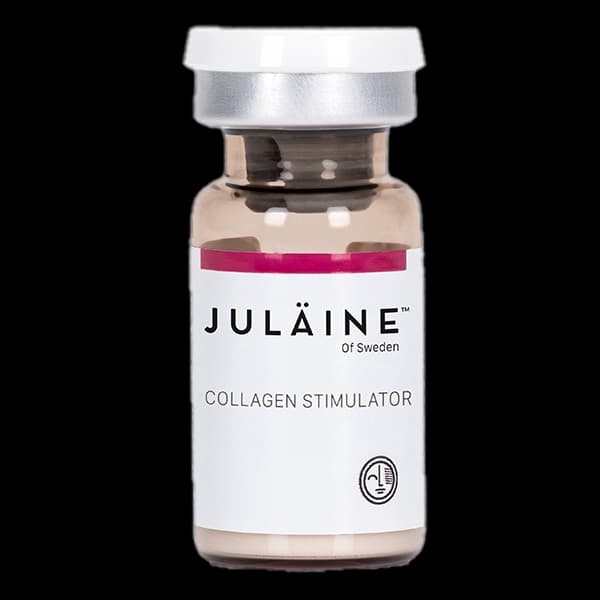
Unlike hyaluronic acid fillers, collagen stimulators work by triggering your body’s natural regenerative processes. Over time, they encourage the production of new collagen, helping to improve:
Skin firmness and elasticity
Facial support and structure
Texture, tone, and overall skin quality
Signs of volume loss linked to ageing
Results develop gradually over weeks to months and are designed to look subtle and natural.
Both Julaine and Sculptra fall into this category, but they are not identical in how they are formulated, administered, or experienced by you as the patient.
Sculptra is a well known collagen stimulator made from poly L lactic acid (PLLA). It has been used in aesthetic medicine for many years and is recognised for its ability to restore volume and improve skin quality over time.
Treatment typically involves multiple sessions, with results building gradually as collagen production increases. Because of its strong volumising effect, careful technique and patient selection are essential.
Sculptra can be an effective option for certain patients, particularly those with more advanced volume loss, when used conservatively and by an experienced medical practitioner.
Julaine is a next generation biostimulator, also based on PLLA technology, developed with a strong emphasis on precision, predictability, and tissue integration.
While it works through the same core mechanism of collagen stimulation, Julaine has been designed to offer:
At L’Atelier Aesthetics, Dr Duncan Brennand uses Julaine because it aligns with a modern, skin led philosophy that prioritises natural looking outcomes and long term skin health.
Our Julaine prices at 101 Harley Street, Marylebone start at £1000*. The cost of Julaine treatment depends on the treatment area and number of sessions required. Pricing is discussed transparently during consultation.
Your feedback is always important to us, as it helps us to improve our systems and processes in our continual pursuit of excellence. If you have any suggestions, comments, or concerns please get in touch.
Patients often ask whether Julaine is better than Sculptra. In reality, both are collagen stimulating injectables based on poly L lactic acid technology, and both can be effective when used appropriately.
Sculptra has been available for over 20 years and has a long clinical track record. Julaine is a newer generation PLLA based injectable, developed with advances in formulation and particle technology that aim to improve how the product behaves within the tissue.
The choice between them is less about one being “better” and more about which is most appropriate for a patient’s anatomy, skin quality, and long term goals.
Historically, Sculptra has often been used where restoring volume is a primary goal, particularly in cases of more advanced facial volume loss.
Julaine is more commonly selected when the objective is to improve skin quality, firmness, and structural support without obvious volumisation. This makes it well suited to patients who want to look fresher and more rested, without looking different.
While individual responses vary, many patients find Julaine treatments to be more predictable in terms of swelling and recovery. As with all collagen stimulating injectables, results develop gradually and depend heavily on correct assessment, injection technique, and aftercare.
At L’Atelier Aesthetics, careful patient selection and conservative treatment planning are central to achieving natural outcomes with either option.
Both stimulate collagen and both are based on Poly-L-Lactic Acid (PLLA) technology. Sculptra has over 20 years of clinical data, but Julaine has become an exciting treatment option for patients due to its precision, smooth skin integration, and suitability for subtle, skin led results.
Both treatments are safe when performed by an experienced medical practitioner like Dr Duncan Brennand GMC 4341662. Safety depends more on assessment, technique, and follow up than the product alone. Sculptra is FDA approved, whilst Julaine is CE marked.
No. Julaine works gradually by stimulating your own collagen. Improvements develop over weeks and months.
Results can last up to two years or more, depending on individual ageing processes and lifestyle factors.
Julaine is often preferred for patients seeking refined facial rejuvenation without noticeable volume changes.
Common areas include the cheeks, temples, jawline, and areas of general skin laxity, depending on assessment.
Our Julaine prices at 101 Harley start at £1000*. The cost of Julaine treatment depends on the treatment area and number of sessions required. Pricing is discussed transparently during consultation.
Yes. Julaine is suitable for both men and women seeking natural collagen regeneration.
Julaine treatment on Harley Street is available at L’Atelier Aesthetics, a doctor led aesthetic clinic located at 101 Harley Street, London. All Julaine treatments are performed by Dr Duncan Brennand following a personalised consultation.
A consultation for Julaine treatment at L’Atelier Aesthetics can be booked directly with the clinic, you can contact us via WhatsApp, Email, Phone or by SMS. During your appointment, Dr Duncan Brennand will explain the treatment process, expected results, and any alternatives that may be more suitable.
Both Julaine and Sculptra are collagen stimulating injectables designed to work with the skin rather than simply add volume. They share a similar scientific foundation, but differ in how they behave within the tissue and how they are used in modern aesthetic practice.
At L’Atelier Aesthetics, Dr Duncan Brennand chooses Julaine because it aligns closely with how he approaches facial rejuvenation. His focus is on working with facial anatomy, supporting the skin’s natural regenerative processes, and delivering results that are subtle, progressive, and authentic. For patients who value refinement over volume and long term skin health over short term change, Julaine is often the most appropriate choice.
Ultimately, the right treatment depends on your skin, your anatomy, and your expectations. A consultation is essential to determine which option is best suited to you and to ensure treatment is tailored, safe, and aligned with your long term goals.
Our clinic is located on Harley Street in Marylebone, London, one of the world’s most prestigious and historic medical districts. Situated within 101 Harley Street, our clinic offers a discreet and refined setting in the heart of Central London, renowned for its concentration of leading medical and aesthetic specialists.
We welcome patients from across Marylebone, Mayfair, Fitzrovia, Regent’s Park, Soho, Knightsbridge, Belgravia, Chelsea and Kensington, as well as visitors travelling to London for specialist aesthetic and skin treatments.
Our location benefits from excellent transport links, with Oxford Circus, Bond Street and Regent’s Park Underground stations all within easy reach. The clinic is also conveniently accessible from major London rail stations and Heathrow, Gatwick and London City airports, making visits straightforward for both UK and international patients.
Whether you are travelling from within London or further afield, our Harley Street clinic provides a calm, professional environment for personalised aesthetic and skin health treatments in one of the capital’s most respected medical locations.
Google Reviews Rated 4.9 ★ ★ ★ ★ ★ from 271 Reviews