Ageing doesn’t happen all at once. There’s no single moment where skin suddenly changes. Instead, it’s gradual – a little less glow here, a bit of laxity there, slower healing, softer contours over time.
That’s why modern aesthetic care has shifted away from “fixing problems” and towards preventative ageing treatments that support the skin earlier and more gently.
The goal isn’t to look different. It’s to keep your skin functioning well for longer. With the right treatments at the right time, many patients find they can maintain healthy, natural-looking skin and delay the need for anything invasive.

Preventative ageing means supporting your skin before changes become advanced. Rather than waiting for deeper lines or sagging to appear, treatments are used to maintain collagen, protect skin quality, preserve structure and slow down visible decline.
Think of it like dental hygiene or fitness. Small, consistent steps tend to work better than drastic corrections later on.
There isn’t a “correct” age. Some patients begin in their early 30s. Others much later. It depends less on the number and more on your skin biology, lifestyle and sun exposure, genetics, and how proactive you want to be.
One important thing to remember: preventative ageing treatments should always feel supportive, not necessary or pressured.
For many people, their 30s are when the first subtle changes appear.
You might notice slightly duller skin, slower recovery after breakouts, early fine lines, mild dehydration and the beginnings of collagen loss.
Aesthetic treatments at this stage are less about correction and more about improving and maintaining skin quality.
• Skin boosters for hydration and glow
• Light chemical peels for brightness and texture
• Gentle collagen-supporting treatments
These aesthetic treatments in your 30s are usually very subtle. The aim is simply to keep skin looking fresh and resilient.
During your 40s, structural changes become more noticeable.
Common concerns include:
loss of mid-face volume
deeper lines
slower collagen production
At this stage, treatments often combine quality and structure.
Skin boosters or polynucleotides for repair
Biostimulators to encourage collagen
Subtle dermal fillers for support where volume has reduced
Targeted resurfacing treatments
The focus is balance – maintaining natural contours rather than chasing tightness.
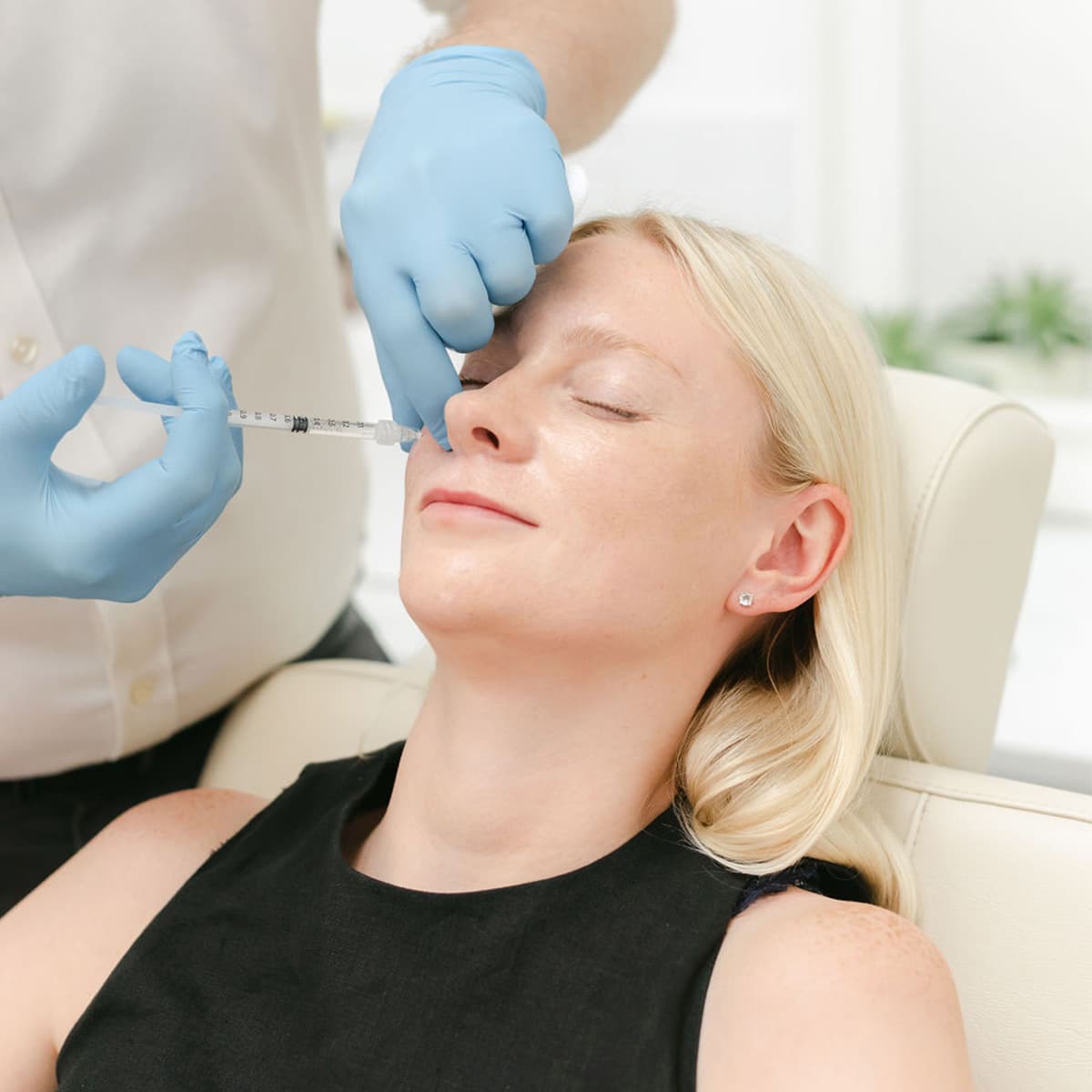
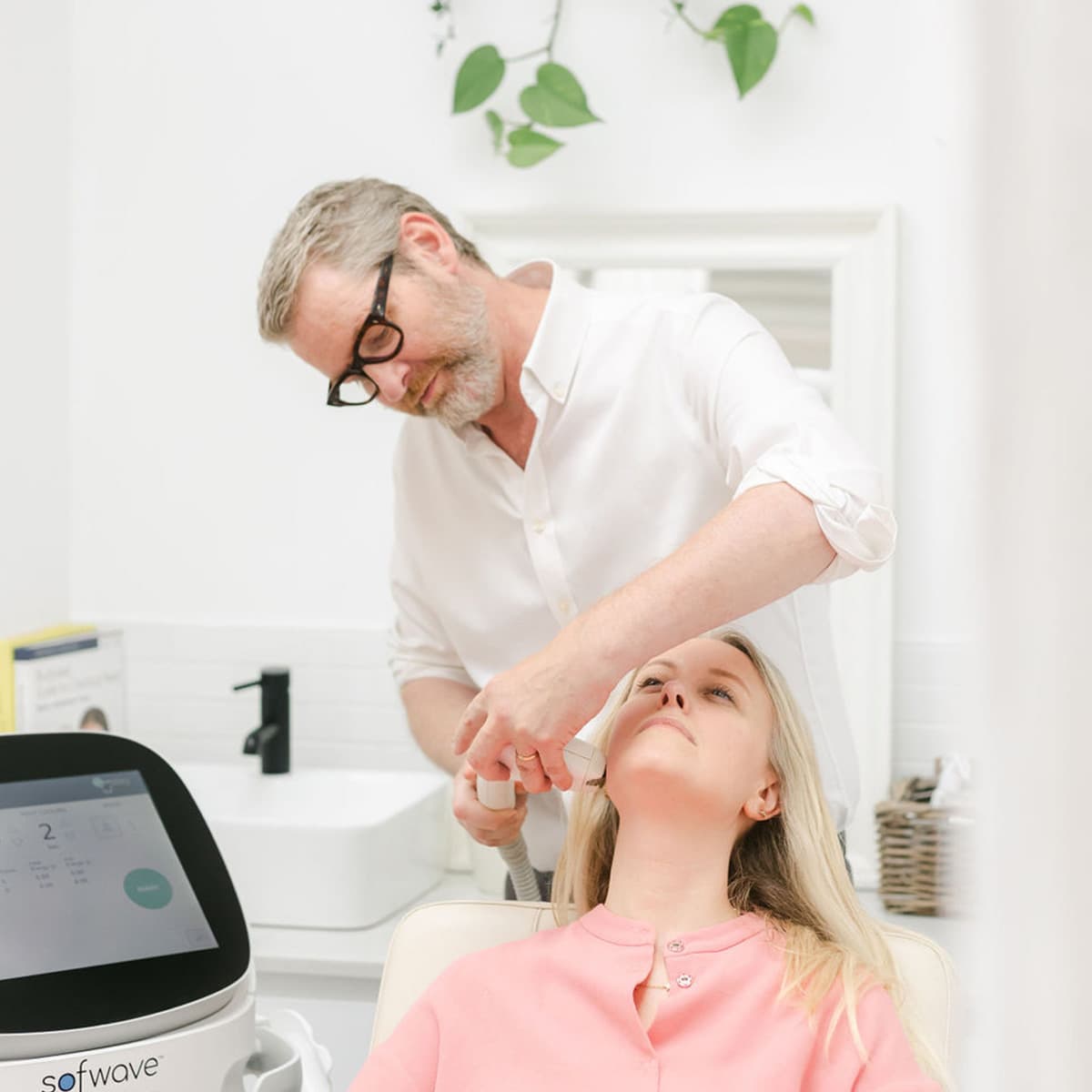
In your 50s, skin typically becomes thinner and less elastic, with more noticeable laxity.
You may see:
deeper folds
dryness
slower healing
Here, treatments often focus on rebuilding strength and support over time.
Collagen-stimulating biostimulators like Julaine and Sculptra
Microneedling and exosomes
Structured filler placement where needed
Skin-strengthening regenerative injectables
Ongoing skin quality treatments
The goal isn’t to reverse age, but to create healthier, firmer skin that still looks like you.
Your 30s |
Your 40s |
Your 50s |
|---|---|---|
| Maintain and protect skin quality | Restore and support structure | Strengthen and rebuild resilience |
| Early dehydration and dullness | Reduced firmness and elasticity | Thinner, drier skin |
| First fine lines and collagen decline | Pigmentation and uneven tone | Laxity and deeper folds |
| Skin boosters for hydration and glow | Early mid-face volume loss | More noticeable volume loss |
| Light chemical peels and gentle resurfacing | Polynucleotides or skin boosters for repair | Collagen-stimulating biostimulators |
| Consistent medical-grade skincare and SPF | Biostimulators and subtle structural support | Targeted fillers and regenerative injectables |
They can — but age alone isn’t the deciding factor.
Two people in their 40s may need completely different plans. One may only need hydration. Another may benefit from structural support.
That’s why assessment matters more than age brackets.
Often, yes. Consistent, lower-intensity treatments can:
maintain collagen for longer
slow volume loss
improve skin resilience
reduce the need for stronger corrections later
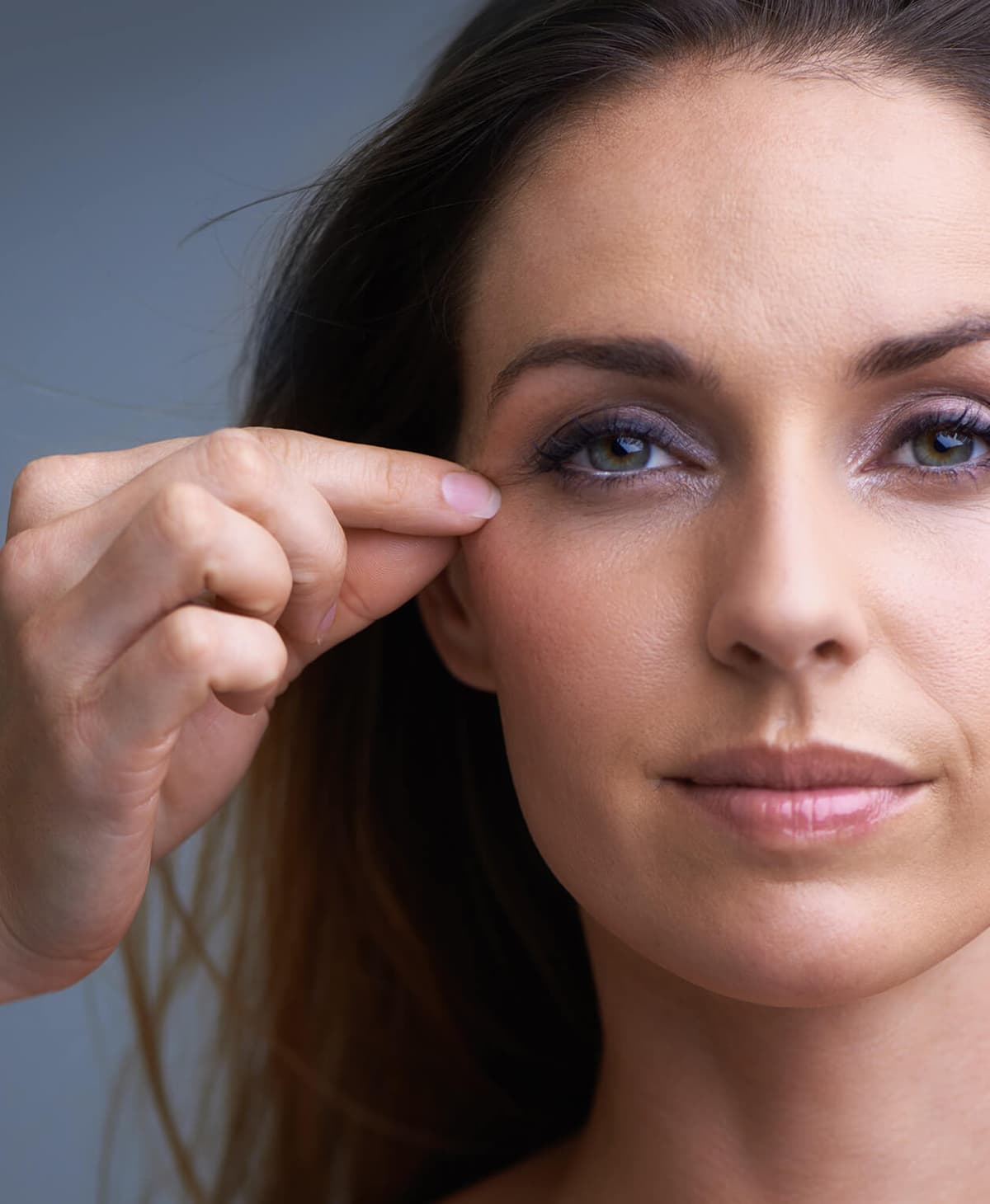
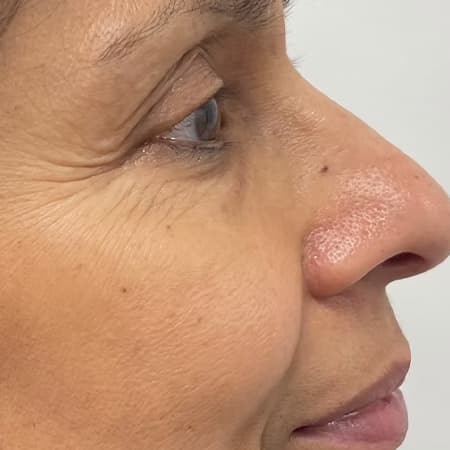
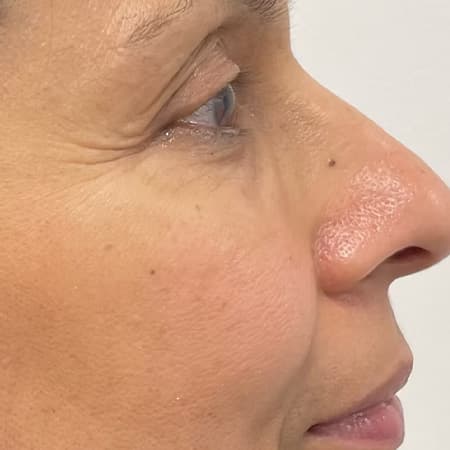
Many patients find this helps them avoid or postpone surgical options altogether. Just look at the results pictured on the left – from polynucleotides treatments alone.
It’s about steady maintenance rather than dramatic intervention.
In-clinic treatments work best when combined with:
daily SPF
consistent skincare
good sleep
balanced nutrition
avoiding smoking
regular maintenance
Professional treatments are only part of the picture. Skin health is cumulative.
Stronger doesn’t always mean better. In fact, smaller treatments introduced earlier often look the most natural and last the longest.
By supporting the skin gradually, you avoid the cycle of waiting for problems and then trying to correct them all at once.
Subtle, consistent care almost always ages more gracefully.
Preventative ageing treatments shouldn’t follow a strict formula.
They should evolve with your skin.
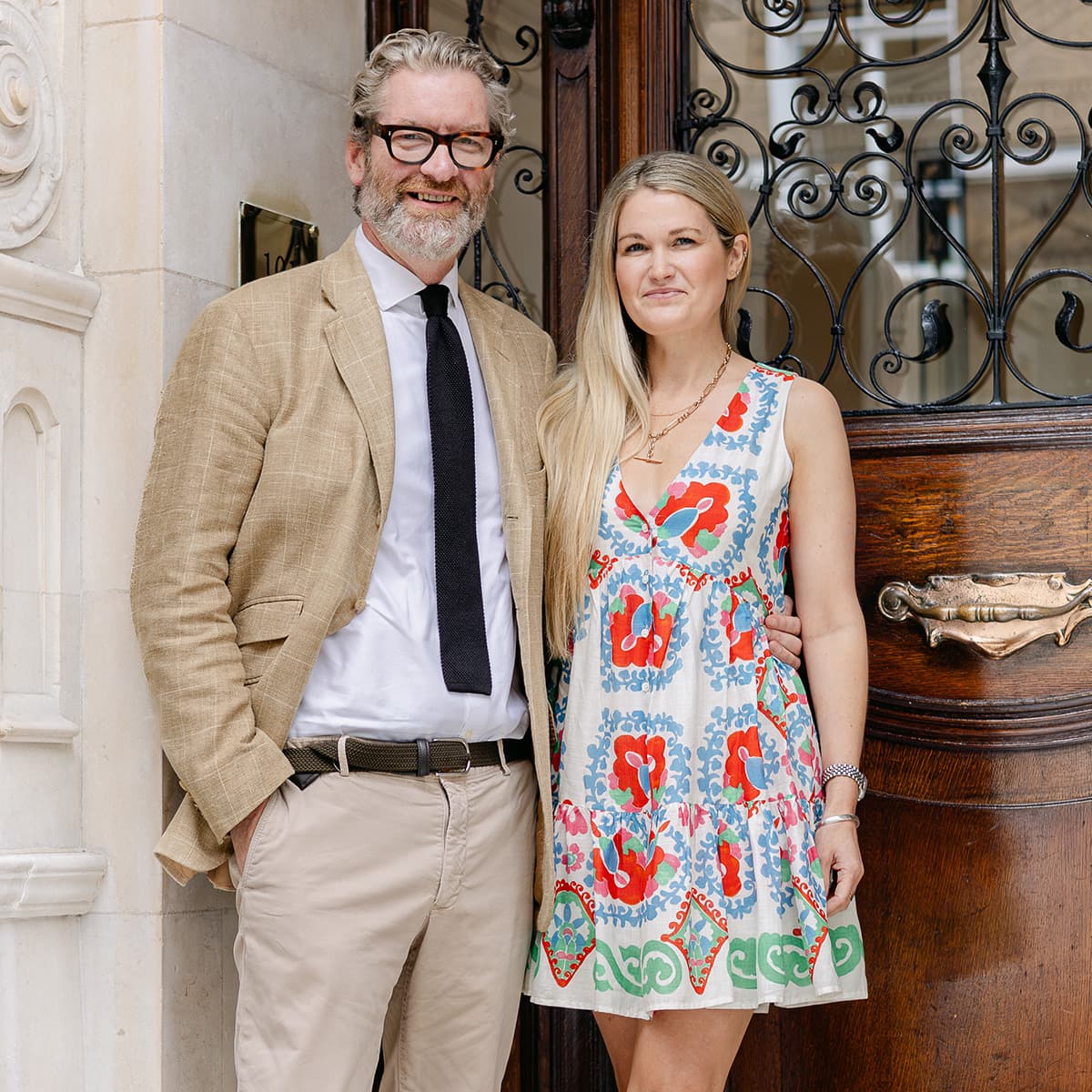
At L’Atelier, our doctors’ personalised plans for clients are built around:
your anatomy
your goals
your lifestyle
and how your skin responds over time
This creates results that feel natural, not “done”.
Preventative ageing isn’t about starting early out of fear.
It’s about making thoughtful choices when your skin would benefit from support.
Small, well-timed treatments can help you maintain healthy, resilient skin for decades – without surgery or dramatic changes.
The aim is simple: look like yourself, just well rested and well cared for.
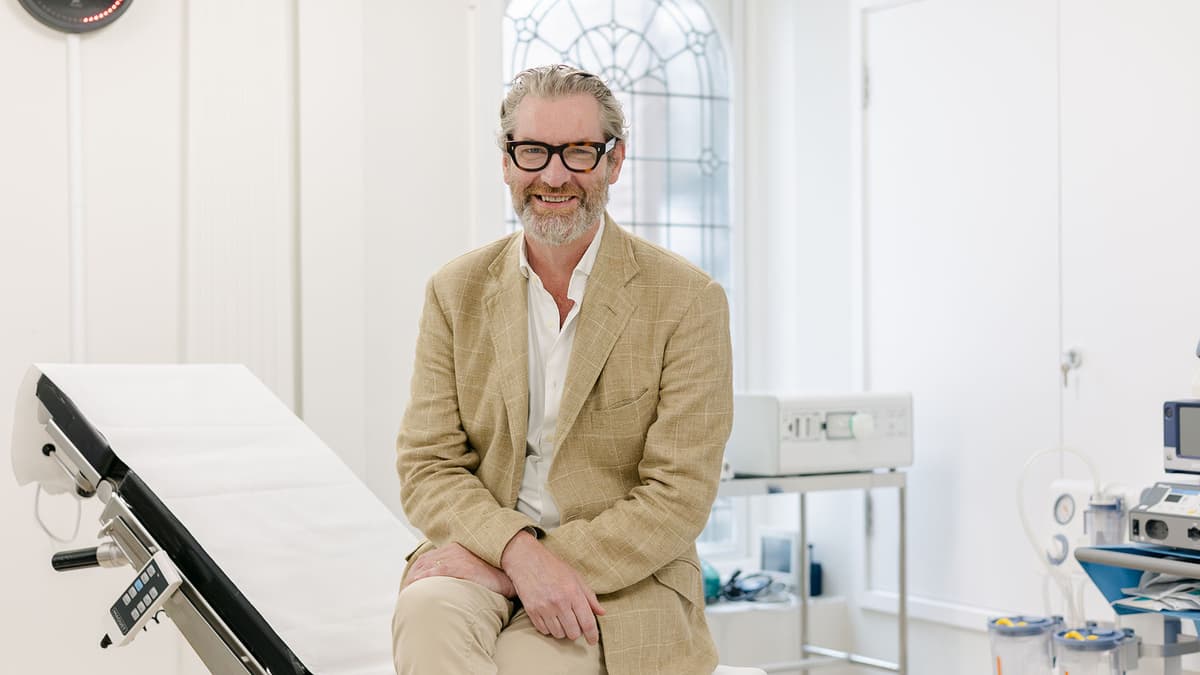
A thorough medical consultation at our clinic in Harley Street allows your practitioner to match your treatments to you perfectly, based on not just your age but your skin requirements and goals.
They’re treatments used to maintain skin quality and slow visible ageing before more advanced changes develop.
Not necessarily. Many treatments at this stage are gentle and focused on hydration and protection.
No. Preventative treatments are usually subtle and designed to enhance, not alter, your appearance.
Not always. Many people only need skin quality treatments first.
For some patients, they can delay or reduce the need for surgery, but this varies individually.
Often every few months, depending on the treatment and your goals.
When performed conservatively by qualified medical professionals, they’re generally very safe.
A personalised consultation is the best way to assess your skin and create a long-term plan.
Your feedback is always important to us, as it helps us to improve our systems and processes in our continual pursuit of excellence. If you have any suggestions, comments, or concerns please get in touch.
We welcome patients from across Marylebone, Mayfair, Fitzrovia, Regent’s Park, Soho, Knightsbridge, Belgravia, Chelsea and Kensington, as well as visitors travelling to London for specialist aesthetic and skin treatments. Our location benefits from excellent transport links, with Oxford Circus only a 13 minute walk away, Bond Street and Regent’s Park Underground stations are also both within easy reach. The clinic is also conveniently accessible from major London rail stations and Heathrow, Gatwick and London City airports thanks to the Elizabeth line, making visits straightforward for both UK and international patients.
Whether you are travelling from within London or further afield, our Harley Street clinic provides a calm, professional environment for personalised aesthetic and skin health treatments in one of the capital’s most respected medical locations.
Google Reviews Rated 4.9 ★ ★ ★ ★ ★ from 271 Reviews