When researching aesthetic treatments, one question tends to come up repeatedly: is it worth it? Many patients begin their research by reading online reviews or forums. While these can offer helpful perspectives, they rarely explain how a treatment works biologically, what concerns it is designed to address, or who it is most suitable for. At the L’Atelier clinic on Harley Street, this is one of the most common questions patients ask during consultations. Treatments such as Julaine are designed to support skin quality rather than alter facial structure, which means results tend to develop gradually and can sometimes be misunderstood.
Understanding how the treatment works, what results are realistic and who it is most appropriate for can help clarify whether Julaine is a worthwhile option for your skin.
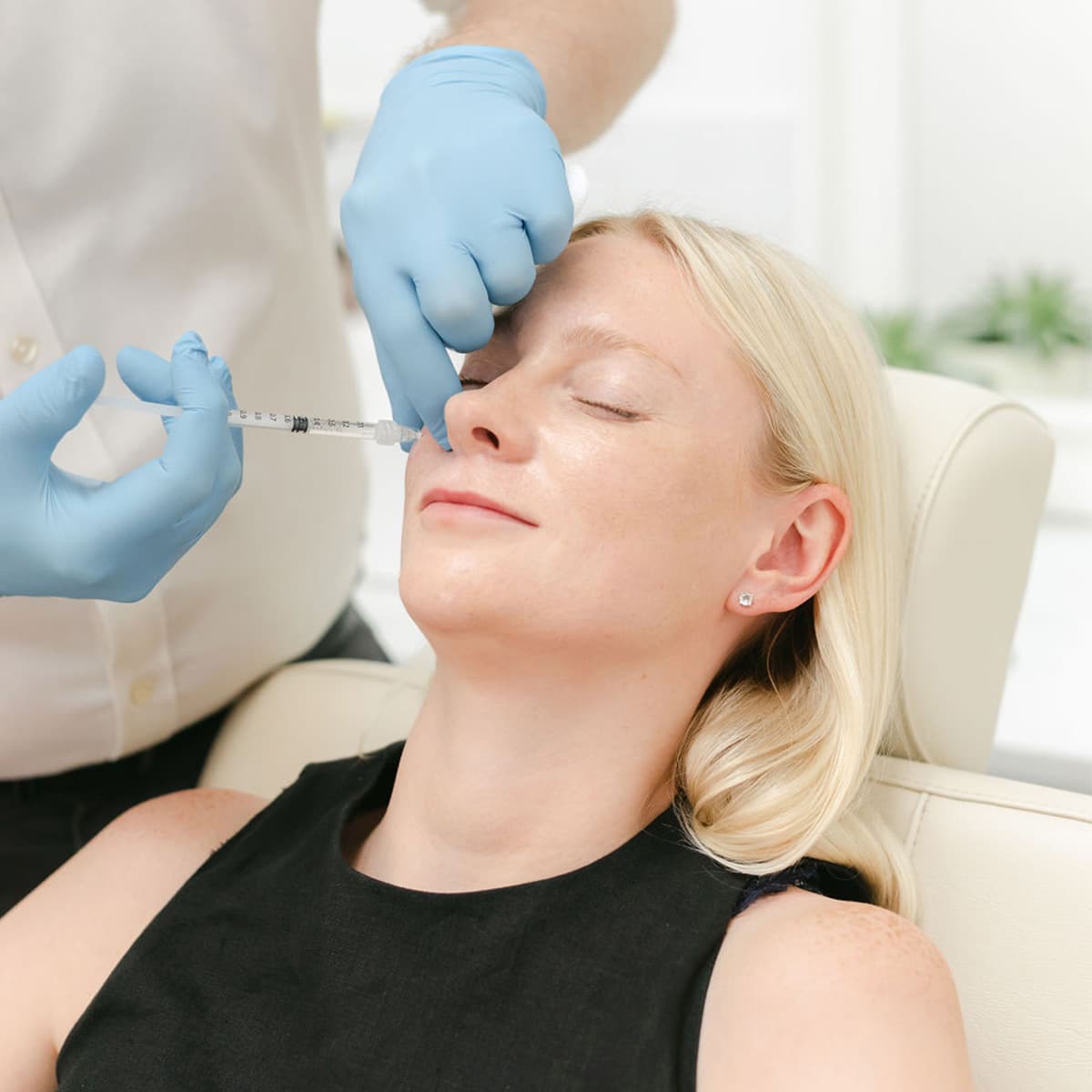
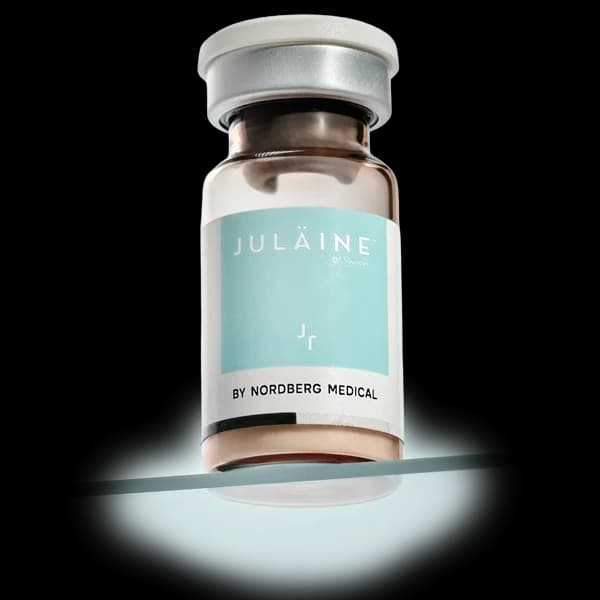
Julaine is an injectable treatment designed to support the health and resilience of the skin. Unlike dermal fillers, which restore volume or reshape facial contours, Julaine works within the skin itself to support repair processes and stimulate collagen activity. Over time, this can help improve hydration, elasticity and overall skin texture.
Patients often begin exploring treatments like Julaine when they notice early changes such as dullness, reduced firmness or volume loss. These changes typically occur gradually as collagen production slows with age. Because the treatment focuses on improving skin quality rather than structure, results tend to appear natural and progressive.
Julaine Treatment in Harley Street is most suited to concerns related to the condition of the skin rather than the shape of the face.
Patients may consider Julaine when experiencing:
These types of changes often reflect declining collagen activity and reduced skin hydration. Treatments that support the skin’s biological processes can help improve these concerns gradually.
One reason patients sometimes question whether regenerative treatments are “worth it” is that improvements are not immediate.
Instead of creating an instant visible change, Julaine works progressively as the skin begins to repair and strengthen itself. Improvements typically become noticeable over several weeks.
Patients often report:
The aim is not a dramatic transformation, but healthier-looking skin that appears naturally balanced.
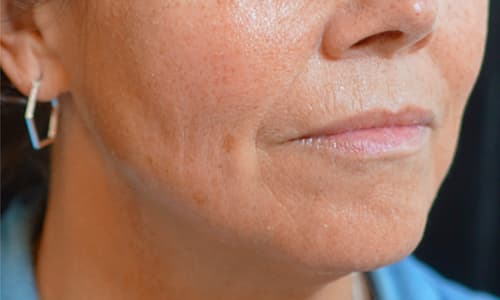
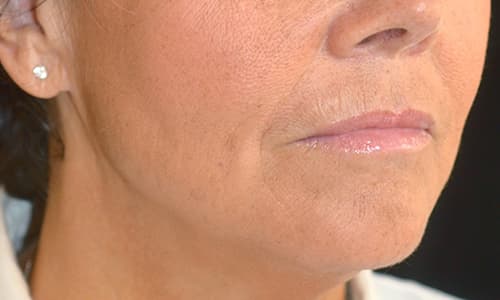
Julaine is often most appropriate for patients who are interested in supporting skin quality rather than altering facial features.
It may be particularly suitable for those who prefer subtle, natural-looking improvements, are beginning aesthetic treatments for the first time, want to support long-term skin health or are noticing early signs of skin ageing.
For these patients, the value of the treatment lies in its ability to encourage the skin to function more like healthy, resilient skin again.
Julaine is not designed to address every aesthetic concern.
Patients whose primary concern is facial volume loss, contour changes or lifting may benefit more from treatments specifically designed to address those issues. Dermal fillers, for example, restore lost volume and provide structural support.
Similarly, patients seeking immediate or dramatic changes may find regenerative treatments slower than expected.
A consultation at the L’Atelier clinic on Harley Street allows a practitioner to assess your skin and determine whether Julaine is appropriate on its own or whether another treatment would be more suitable.
From a clinical perspective, Julaine is absolutely worth it for the right patient. At L’Atelier Aesthetics, Dr Duncan Brennand often recommends JULÄINE™ to patients experiencing early to moderate skin laxity, fine lines, and volume loss, particularly where a natural, regenerative approach is preferred over traditional fillers.
By stimulating collagen production within the skin, it helps to tighten, smooth and restore structure gradually, improving overall skin quality without altering your natural facial contours. For patients who want long-lasting, subtle rejuvenation rather than an immediate but artificial result, Julaine is a highly effective treatment and a key part of many bespoke treatment plans.
Patients researching Julaine are often also considering other injectable treatments that improve skin quality. Although they are sometimes discussed together, they work in very different ways.
Traditional dermal fillers, typically made from hyaluronic acid (HA), work by physically adding volume to specific areas of the face, delivering an immediate result that enhances contours or fills lines. Julaine, however, is a collagen-stimulating treatment. Rather than sitting within the skin to create volume, it works by activating your body’s natural collagen production over time. This gradual process helps to strengthen the skin’s underlying structure, improving firmness, elasticity and overall skin quality. The result is a more subtle, natural-looking rejuvenation that develops over a series of treatments and continues to improve in the months that follow. For many patients, Julaine is not about changing how you look instantly, but about restoring how your skin behaves, making it an ideal option for those seeking long-term skin tightening, softening of fine lines and a gentle restoration of lost volume
| Treatment | Main purpose | Results timeline |
|---|---|---|
Julaine | Supports skin repair and collagen activity | Gradual |
Skin boosters | Improve hydration and skin radiance | Relatively quick |
Dermal fillers | Restore facial volume and contour | Immediate |
Results develop gradually and may last several months, depending on the treatment plan and the individual response of the skin.
Many patients begin with a short course of treatments before moving to maintenance sessions.
Downtime is typically minimal. Some patients may experience mild swelling or small injection marks for a short period after treatment.
No. Dermal fillers restore volume and contour, while Julaine focuses on improving skin quality and resilience.
Yes. It is often combined with other treatments that address hydration, skin texture or structural support.
If you’re exploring collagen-stimulating treatments and want to understand how Julaine compares to other options, you can learn more in our Sculptra vs Julaine article. It explains how each treatment works, the differences in results and timelines, and how to decide which approach is best suited to your skin concerns.
We welcome patients from across Marylebone, Mayfair, Fitzrovia, Regent’s Park, Soho, Knightsbridge, Belgravia, Chelsea and Kensington, as well as visitors travelling to London for specialist aesthetic and skin treatments. Our location benefits from excellent transport links, with Oxford Circus only a 13 minute walk away, Bond Street and Regent’s Park Underground stations are also both within easy reach. The clinic is also conveniently accessible from major London rail stations and Heathrow, Gatwick and London City airports thanks to the Elizabeth line, making visits straightforward for both UK and international patients.
Whether you are travelling from within London or further afield, our Harley Street clinic provides a calm, professional environment for personalised aesthetic and skin health treatments in one of the capital’s most respected medical locations.
Google Reviews Rated 4.9 ★ ★ ★ ★ ★ from 271 Reviews