Skin texture concerns are among the most common reasons patients come to our clinic on Harley Street seeking aesthetic treatments. Acne scars, enlarged pores and uneven skin can be difficult to improve with skincare alone, which often leads patients to explore professional treatments designed to stimulate skin renewal.
Microneedling has become one of the most widely discussed options in this category, with SkinPen frequently mentioned as a medical-grade treatment designed to encourage collagen production and improve the appearance of the skin.
At L’Atelier Aesthetics on Harley Street, patients often ask whether treatments like SkinPen are truly worth the investment. The answer depends largely on your skin concerns, expectations and how the treatment works within the skin’s natural repair process.
Understanding what SkinPen is designed to treat (and what it isn’t) can help you decide whether it is the right option for improving skin texture and overall skin quality.
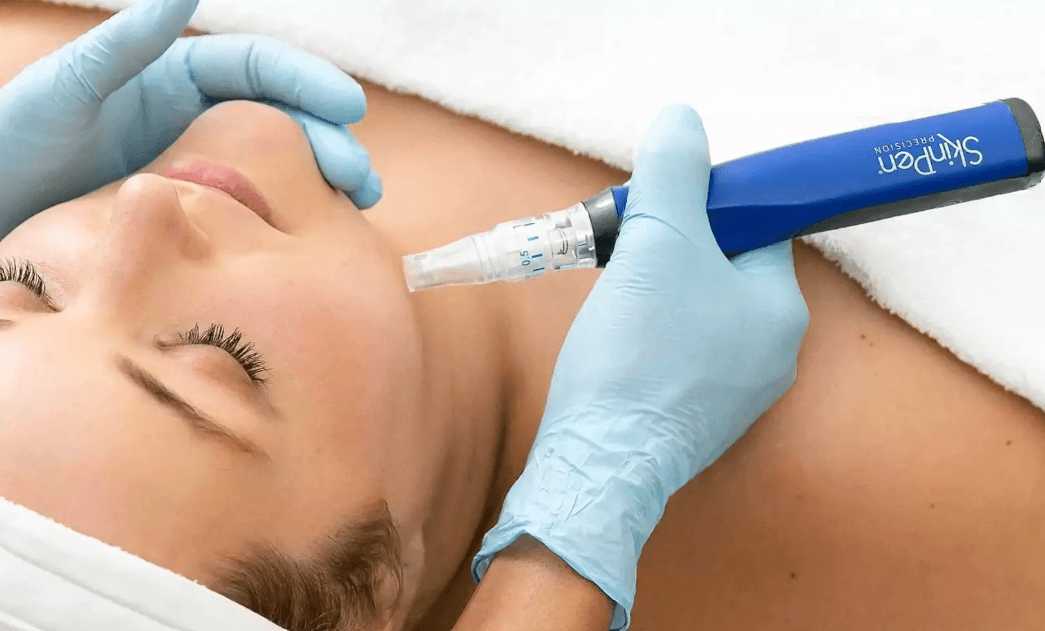
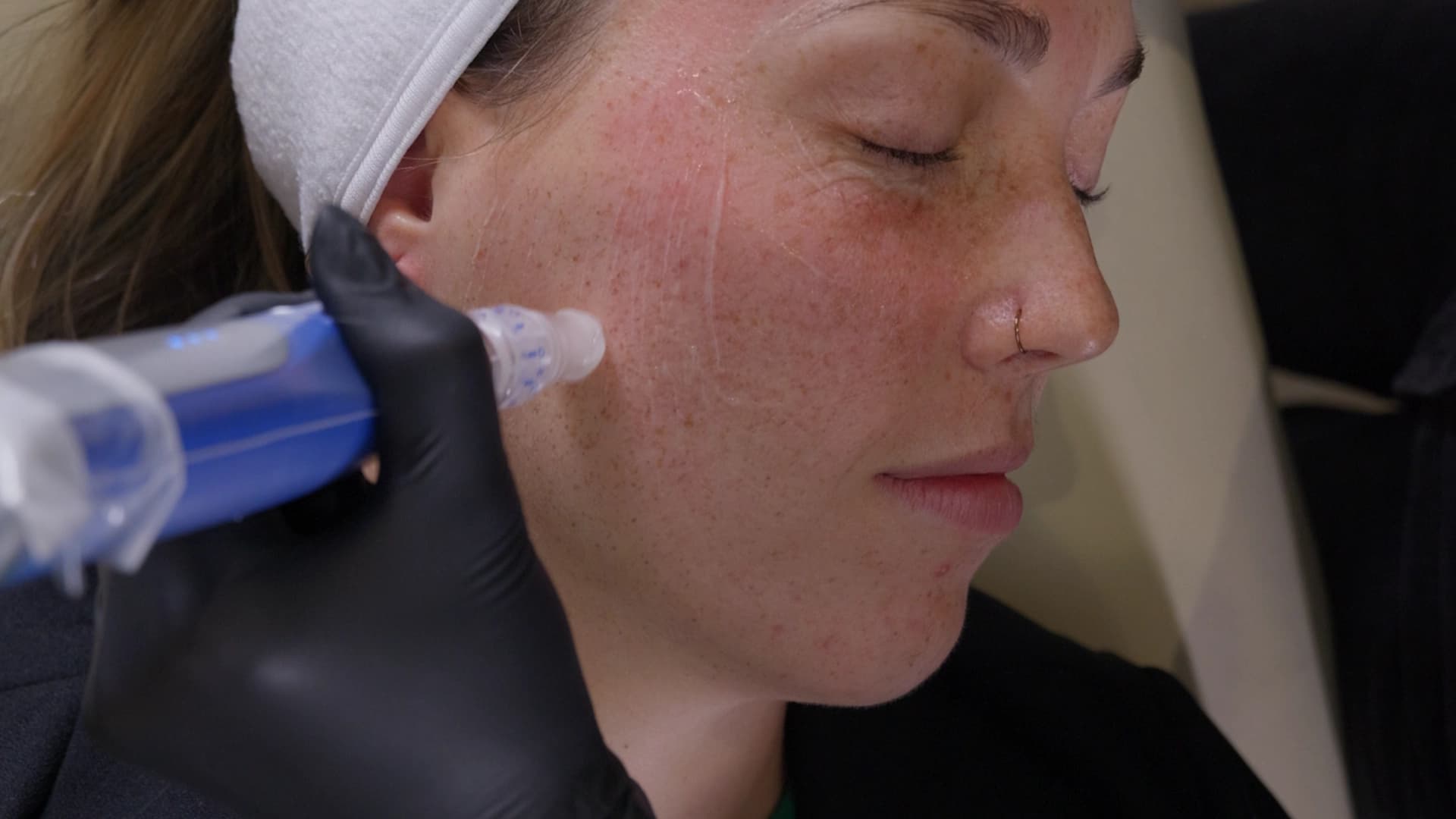
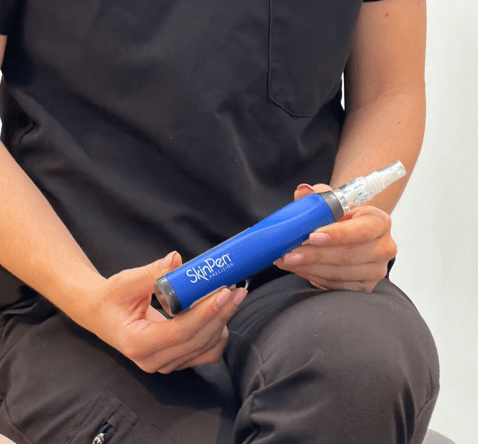
SkinPen is a medical microneedling treatment used to improve the texture and overall appearance of the skin.
The treatment works by creating thousands of tiny, controlled micro-channels in the skin using very fine needles. This controlled stimulation encourages the skin’s natural repair response, leading to increased collagen production and improved skin regeneration.
Over time, this process can help improve skin texture and strengthen the skin’s structure.
Microneedling treatments like SkinPen are commonly used to address concerns such as:
Because the treatment works by stimulating the skin’s own repair processes, improvements tend to appear gradually as new collagen develops.
Collagen is one of the key structural proteins responsible for skin strength, elasticity and smoothness. As we age, collagen production naturally slows, which can contribute to changes in skin texture and firmness.
SkinPen works by triggering the body’s natural healing response. When the skin detects these micro-injuries, it begins a repair process that includes increased collagen production.
This process typically occurs in stages:
Because this process relies on the skin’s biology, results develop progressively over several weeks.
SkinPen is particularly well suited to concerns related to skin texture and surface quality.
Patients often consider the treatment when they are looking to improve the overall appearance of their skin rather than alter facial contours.
Some of the most common reasons patients explore SkinPen include:
For acne scarring in particular, microneedling can be an effective option because collagen stimulation helps strengthen the skin beneath the scarred area.
However, SkinPen is not designed to address concerns such as volume loss or significant skin laxity. In those cases, other treatments may be more appropriate.

One of the most important things to understand about SkinPen is that results are gradual rather than immediate.
After treatment, the skin begins a natural repair process that continues for several weeks as collagen production increases.
Patients often notice improvements such as:
Many patients require a short course of treatments to achieve optimal results, particularly when treating acne scarring or more established texture concerns.
The aim is not dramatic overnight change, but steady improvement in the condition of the skin.
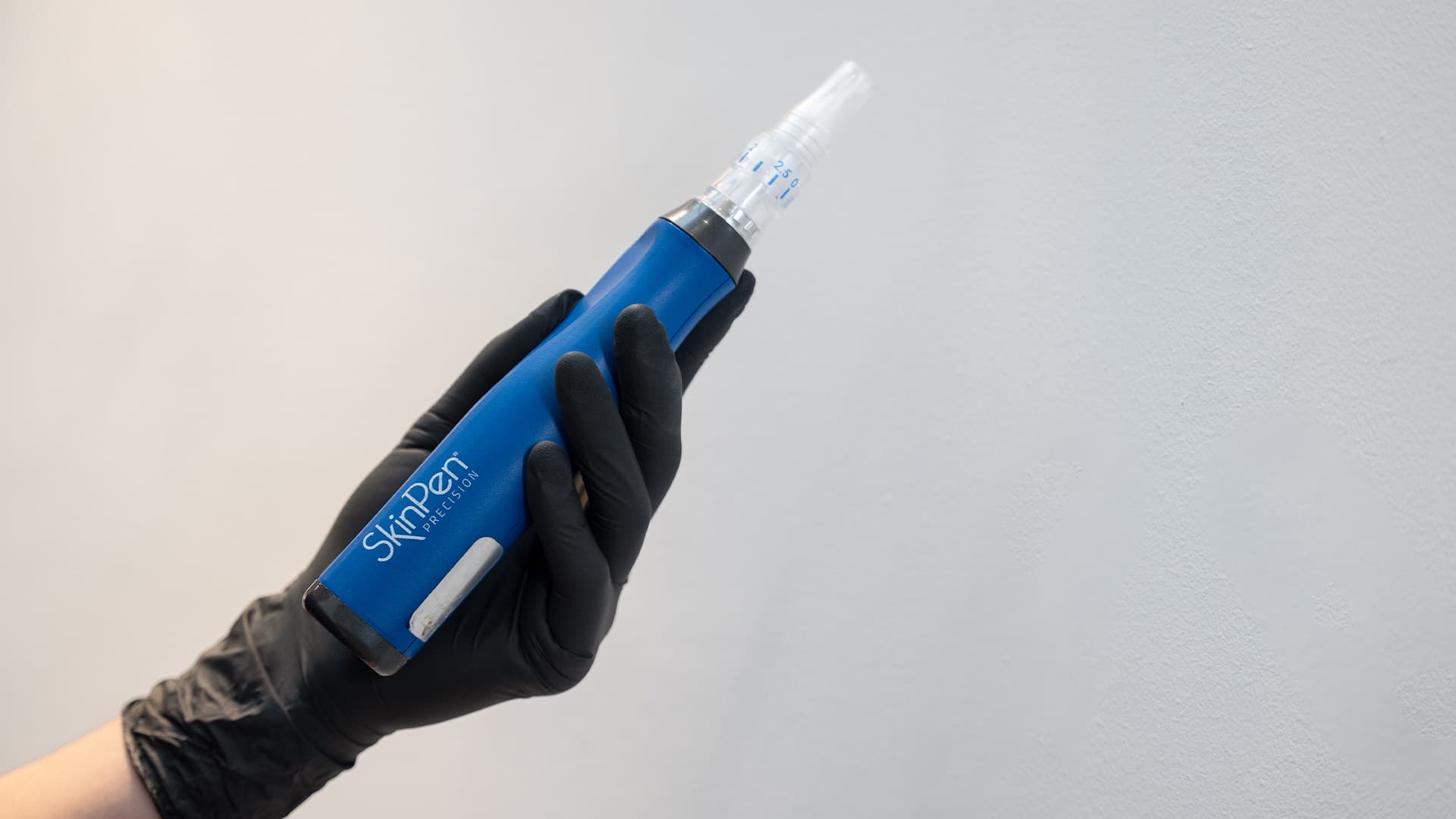
SkinPen tends to be most suitable for patients who are looking to improve skin texture and support collagen production.
It may be particularly beneficial for those who have mild to moderate acne scarring, want to improve overall skin texture, prefer treatments that stimulate natural collagen production, or are interested in gradual, natural-looking improvements.
Because microneedling focuses on improving the skin itself, it can also be appealing for patients who are not looking to alter their facial features.
Although SkinPen can be highly effective for certain concerns, it is not the ideal treatment for every patient.
Patients whose main concerns include volume loss, deeper wrinkles or skin laxity may benefit more from treatments that provide structural support or collagen stimulation at a deeper level.
Examples of these treatments include dermal fillers or biostimulatory injectables.
This is why a professional consultation is important. A practitioner can assess your skin and recommend whether SkinPen is appropriate on its own or whether a different treatment would better match your goals.
For patients looking to improve skin texture and stimulate natural collagen production, SkinPen can be a worthwhile treatment.
Its value lies in the way it supports the skin’s own repair processes, leading to gradual improvements in texture, tone and overall skin quality.
However, whether SkinPen is worth it ultimately depends on your individual concerns and expectations. Treatments designed to stimulate collagen often require time and consistency to achieve the best results.
A consultation with a qualified practitioner can help determine whether SkinPen is the right option for your skin and how it may fit into a personalised treatment plan.
Patients researching SkinPen are often also considering other treatments designed to improve skin quality. While these treatments may address similar concerns, they work in different ways.
| Treatment | Main purpose | Results timeline |
|---|---|---|
SkinPen microneedling | Stimulates collagen and improves texture | Gradual |
Chemical peels | Exfoliate and resurface the skin | Faster surface improvement |
Skin boosters | Improve hydration and skin glow | Relatively quick |
Many patients begin with a course of three treatments spaced several weeks apart, although this can vary depending on the concern being treated.
Most patients tolerate the treatment well. A topical numbing cream is typically applied before the procedure to improve comfort.
Redness similar to mild sunburn is common for the first 24 to 48 hours. Most patients return to normal activities shortly afterwards.
Some improvement in skin brightness may appear within a few days, but collagen-related improvements develop gradually over several weeks.
Yes. Microneedling is often combined with other treatments that address hydration or skin tone as part of a comprehensive skin plan.
Our clinic is located on Harley Street in Marylebone, London, one of the world’s most prestigious and historic medical districts. Situated within 101 Harley Street, our clinic offers a discreet and refined setting in the heart of Central London, renowned for its concentration of leading medical and aesthetic specialists.
We welcome patients from across Marylebone, Mayfair, Fitzrovia, Regent’s Park, Soho, Knightsbridge, Belgravia, Chelsea and Kensington, as well as visitors travelling to London for specialist aesthetic and skin treatments.
Our location benefits from excellent transport links, with Oxford Circus, Bond Street and Regent’s Park Underground stations all within easy reach. The clinic is also conveniently accessible from major London rail stations and Heathrow, Gatwick and London City airports, making visits straightforward for both UK and international patients.
Whether you are travelling from within London or further afield, our Harley Street clinic provides a calm, professional environment for personalised aesthetic and skin health treatments in one of the capital’s most respected medical locations.